1. Home
  2. Emerging Tech
  3. News

The FDA approves special contact lenses that turn dark on sunny days

Add as a preferred source on Google

Photochromic sunglasses which can darken or lighten depending on how much ultraviolet radiation they come into contact with have been around for years. Until now, folks who wear contact lenses haven’t been quite so lucky, unfortunately. That is about to change, however, thanks to the U.S. Food and Drug Administration officially giving its seal of approval to the first contact lenses which incorporate photochromic elements.

Thanks to a special additive, the lenses will automatically darken when they’re exposed to bright light while becoming clear again in normal or dark lighting conditions. As such, they offer vision correction that will continuously balance their tint to control the amount of light entering each eye. The upshot is that you get a bit of added protection from the sun, while also having the chance to scare the bejesus out of your co-workers with your reflective black shark eyes! (Although we’re assuming that, in reality, the effect is a little bit more subdued than that.)

Recommended Videos

“This contact lens is the first of its kind to incorporate the same technology that is used in eyeglasses that automatically darken in the sun,” Malvina Eydelman, who oversees the ophthalmic, and ear, nose and throat devices for the FDA’s Center for Devices and Radiological Health, said in a statement.

The Acuvue Oasys Contact Lenses with Transitions Light Intelligent Technology are produced by Johnson and Johnson Vision Care. The soft contact lenses are designed for daily use up to a maximum of 14 days for people who are both nearsighted and farsighted. They can additionally be used by folks with certain types of astigmatism, an abnormal curvature of the eye. In total, upward of 40 million Americans wear contact lenses, meaning that there is a potentially massive market for this technology.

The lenses are the result of more than a decade of product development and clinical trials involving more than 1,000 patients. According to current plans, they will be available to buy in the first half of 2019.

Other photochromic technology we’ve recently covered at Digital Trends include special windows developed by researchers at Stanford University which switch from dark to clear depending on an electric current.

Luke Dormehl
I'm a UK-based tech writer covering Cool Tech at Digital Trends. I've also written for Fast Company, Wired, the Guardian…
Polar is yet another AI browser, but it goes beyond just automating the mundane web chores
Polar wants to turn your browser into an AI-powered productivity tool
Polar AI browser

The AI browser race is entering a new phase. After spending much of 2025 trying to reinvent web search with built-in chatbots, startups are increasingly shifting their attention toward browser agents that can automate repetitive work instead of simply answering questions. The latest company to embrace that transition is Polar, a startup founded by former Perplexity engineer Kevin Zhang, which has raised $5.7 million in seed funding led by Madrona.

Unlike the first generation of AI browsers that targeted everyday consumers, Polar is designed specifically for knowledge workers. Its premise is straightforward: instead of replacing Google Search, the browser aims to eliminate repetitive tasks that professionals perform across dozens of browser tabs every day.

Read more
I use ChatGPT Pro everyday, and these 3 features keep me subscribed
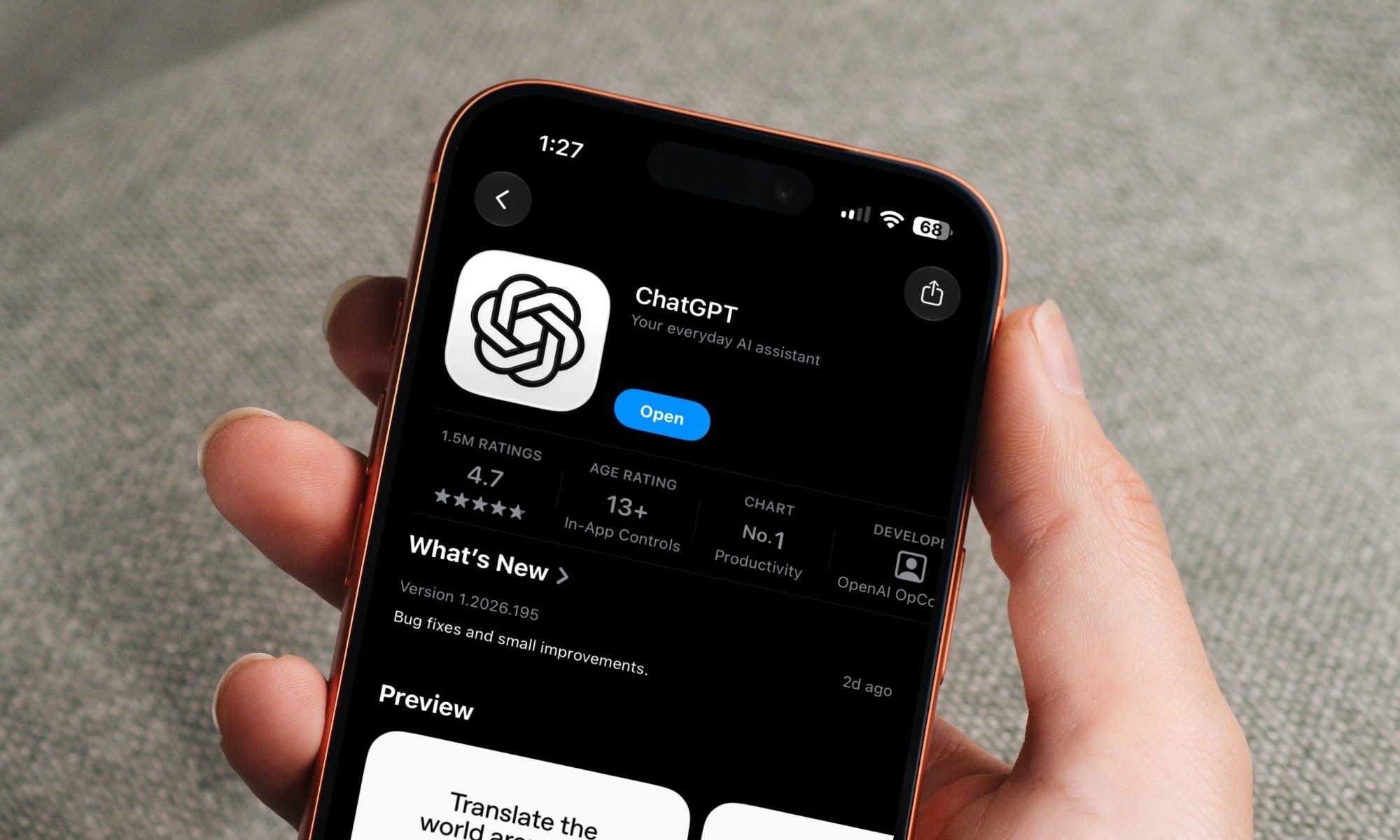
ChatGPT on iPhone

I've used ChatGPT for years, but for the longest time, I never felt the need to pay for it. Instead, I subscribed to Claude Pro because it fit my workflow better. Between regular chat and Cowork, it gave me everything I needed in one place, so paying for another AI subscription didn't make sense.

That changed when OpenAI introduced ChatGPT Work. I was curious enough to give ChatGPT Pro a proper shot, expecting to test one new feature and move on. Instead, I ended up using it far more than I expected. The more I relied on it in my day-to-day work, the more I realized it offered a few things I didn't want to give up. Those are the three features that have kept me happily subscribed ever since.

Read more
The music industry wants AI slop kicked off the charts, and it finally has a plan
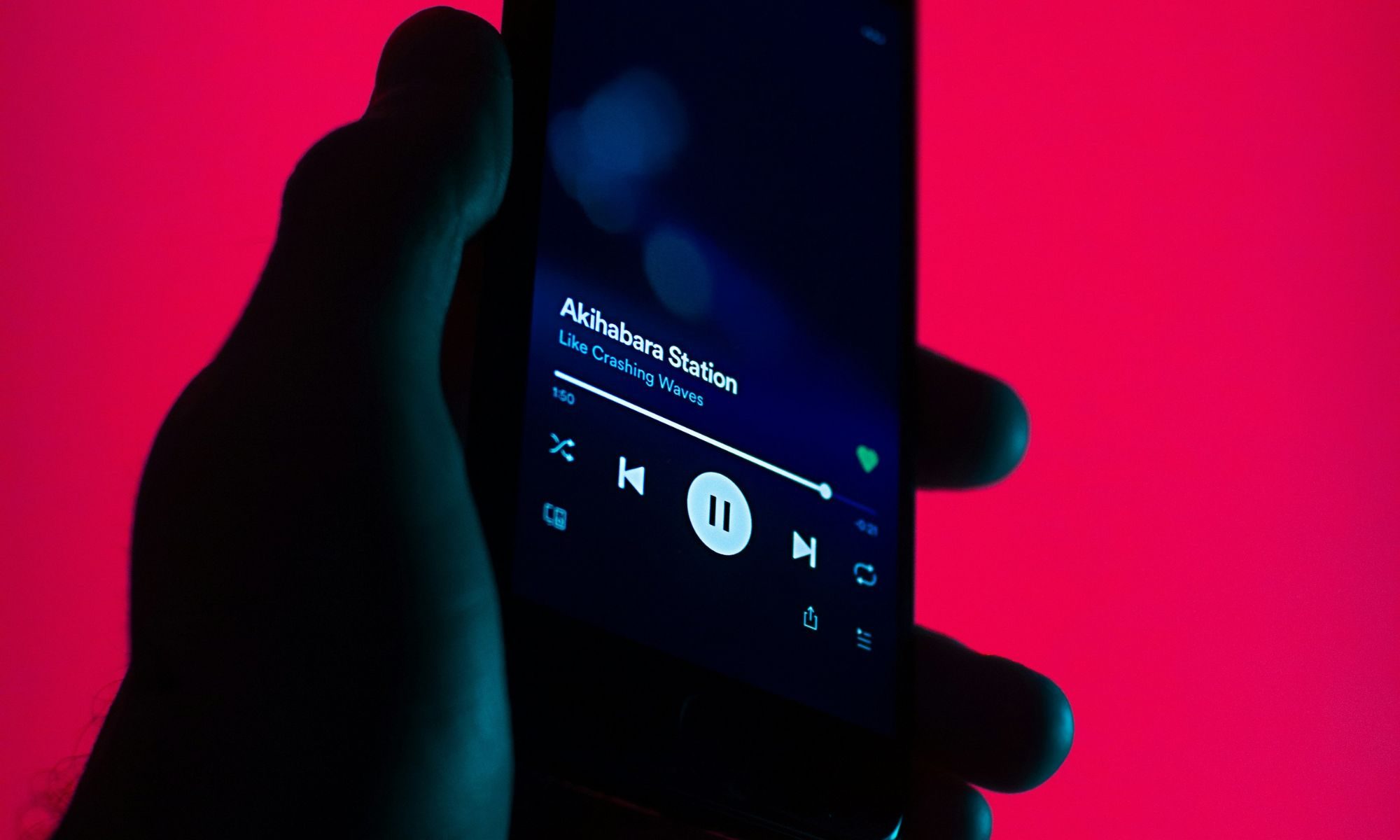
Universal, Sony, and Warner are pushing global charts to block AI slop songs.
Spotify music player

I've caught myself bopping along to a new viral quite a few times, only to realize that it was created using artificial intelligence. Turns out the labels are just as fed up with this as I am.

So what exactly are labels asking for?

Read more