1. Home
  2. Emerging Tech
  3. Health & Fitness
  4. News

Bill Gates shows how the flu could kill more than 30 million people

Add as a preferred source on Google

Starting in April, two of the biggest names in tech teamed up to fight for a universal flu vaccine. Microsoft co-founder Bill Gates and Google co-founder Larry Page pledged to give $12 million dollars to researchers working to develop a universal vaccine for the flu.

In order to demonstrate the need for this universal vaccine, Gates recently released a simulation highlighting the dangers of the flu. The simulation shows how a quickly spreading flu virus could kill nearly 33 million people in as little as six months. It is this danger that prompted Gates and Page to offer this grant.

Simulation: Global Flu Pandemic

The $12 million in grant money will be split into grants of $2 million for individual research projects. The money would be given out over the course of two years and be used to fund the collection of data in animal subjects. After that, the most promising researchers would be able to apply for additional grants of up to $10 million in order bring the vaccine to human trials.

Recommended Videos

“We think a universal flu vaccine would not only eliminate the pandemic risk, but would have significant health benefits,” Gates told STAT News.

Gates and Page said they are interested in funding projects which are “game-changing,” as opposed to incremental improvements on existing treatments. Researchers will have to work fast if they want to take advantage of these grants. The Bill and Melinda Gates Foundation said that in order to be eligible for the grants, researchers must be ready for human testing by 2021.

Twelve million dollars likely won’t be enough to develop this vaccine, as most estimates say it costs roughly $1 billion to do so. Gates said that these grants are only the beginning, however. Teams with promising results will be eligible for additional funding.

Gates made the initial announcement at a symposium on epidemics organized by the Massachusetts Medical Society and the New England Journal of Medicine. The timing of the event was meant to correspond to the 100-year anniversary of the 1918 Spanish outbreak. It’s estimated that nearly 50 million people died as a result of the disease. Gates warned that a similar outbreak today could kill as many as 33 million in the first six months, despite advances in medicine.

Gates and Page are optimistic regarding the prospects of a universal flu vaccine, but not everyone in the medical community agrees.  Dr. Anthony Fauci, Director of National Institute of Allergy and Infectious Diseases, warned that such a vaccine may be impossible to produce.

Updated on May 12: Added information regarding a recently released simulation of the flu virus’ impact.

Eric Brackett
Former Digital Trends Contributor
Yet another study says AI is bad for elections, and the rabbit hole gets worse
AI may be an election bomb waiting for someone to light the fuse
Voters cast their ballots on Election Day

Another election, another study has concluded that asking an AI chatbot for political guidance is a spectacularly bad idea. Research conducted during Hungary’s 2026 parliamentary election found that ChatGPT and Google Gemini offered not just inaccurate but also inconsistent and unreliable voting advice. The chatbots misclassified voter profiles, overlooked relevant parties, recommended parties absent from the ballot, and sometimes produced materially different answers when given the same information repeatedly.

AI keeps failing the voter test

Read more
Samsung’s humanoid robot ambitions are real, but factories come first
Samsung’s new robotics division has humanoids in its sights, although its immediate business is far more practical factory automation
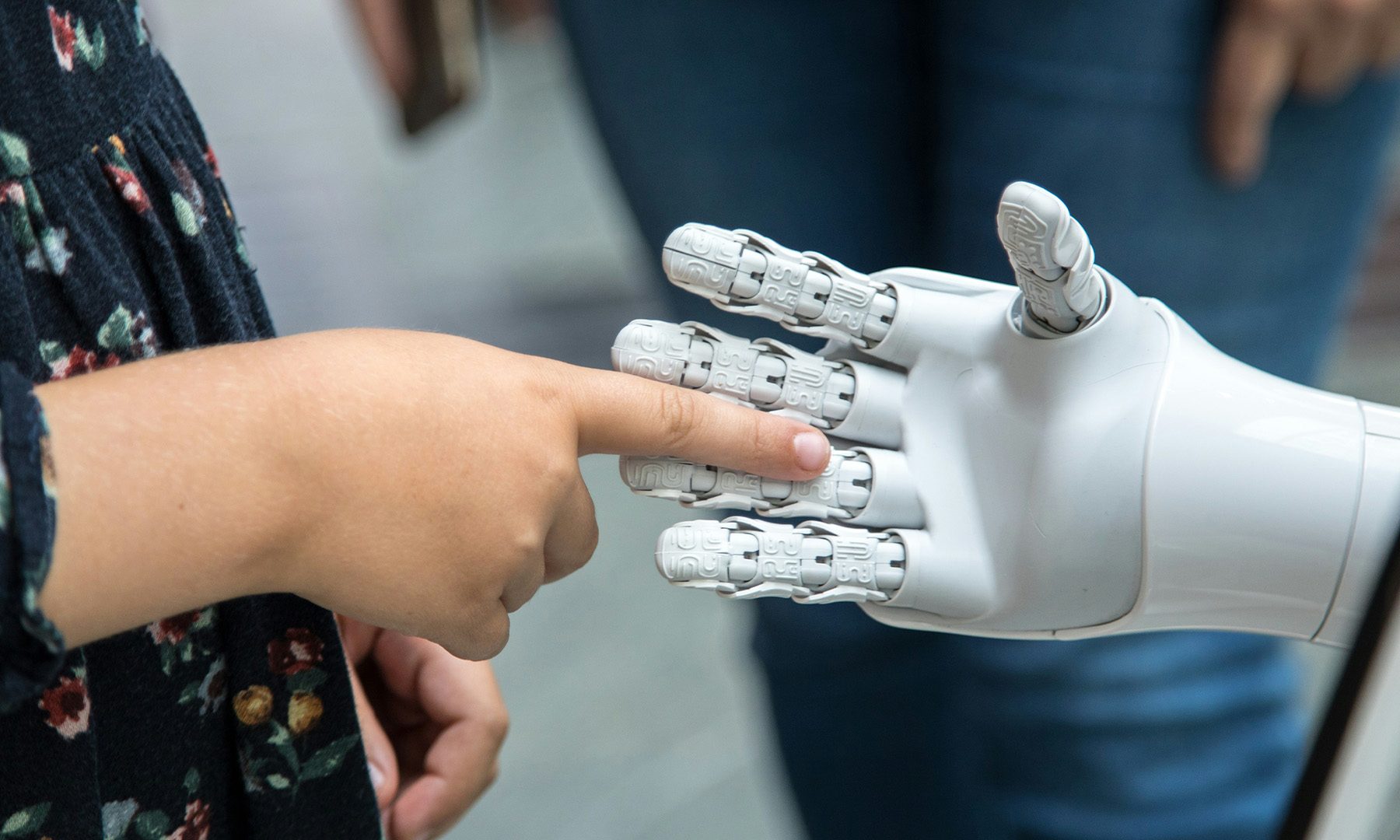
Robot Touch Human Finger

Samsung wants a place in the humanoid race, but its new robotics push begins with machines built for factories rather than homes.

The CEO-led RX robotics division will initially focus on manufacturing robots. Samsung has separately identified humanoids as a priority, although it hasn’t announced a commercial model or explained where one fits into the division’s immediate plans.

Read more
The future of AI may depend on this one behind-the-scenes change
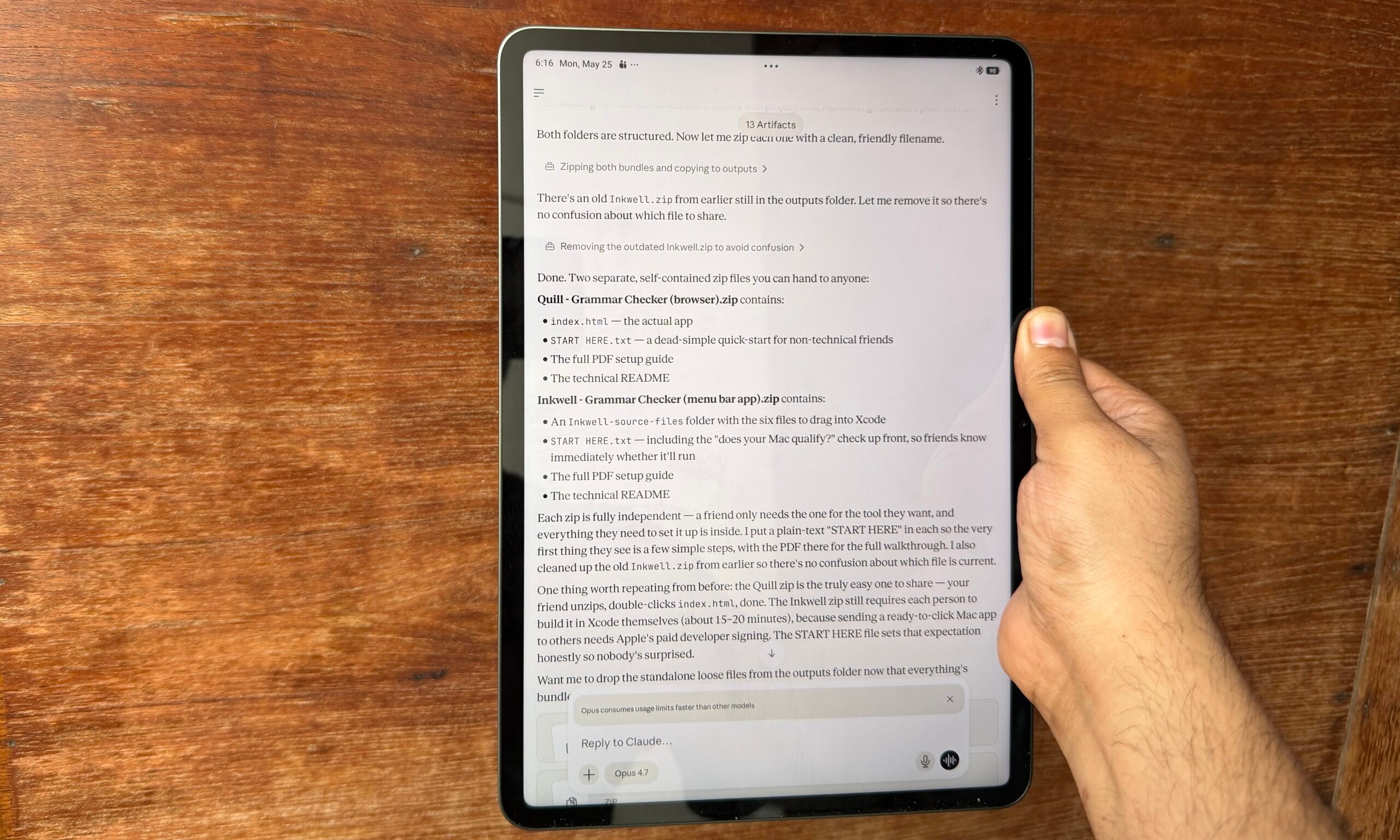
Running Claude on Android.

Whenever a new AI model arrives, it's easy to get caught up in the bells and whistles. We talk about how much smarter it is, how quickly it answers questions, or how realistic its images have become. But here's the thing: none of that matters much if the AI can't reliably work with the apps and services people use every day.

That's why an upcoming update to the Model Context Protocol (MCP) caught my attention. It isn't a new chatbot or a fancy AI model. In fact, most people will never even know it's happening. But it could quietly make the AI ecosystem a lot healthier. If you've never heard of MCP before, don't worry. Think of it as a shared language that lets AI assistants safely talk to apps like Gmail, Slack, calendars, databases, and countless other services. Instead of every company inventing its own way to make those connections, MCP gives everyone a common rulebook.

Read more