  1. Home
  2. Computing
  3. News

AMD preps 7nm chips in wake of Intel Cannon Lake delays

Add as a preferred source on Google
AMD Ryzen 5 2400G & Ryzen 3 2200G Review fingers
Bill Roberson/Digital Trends

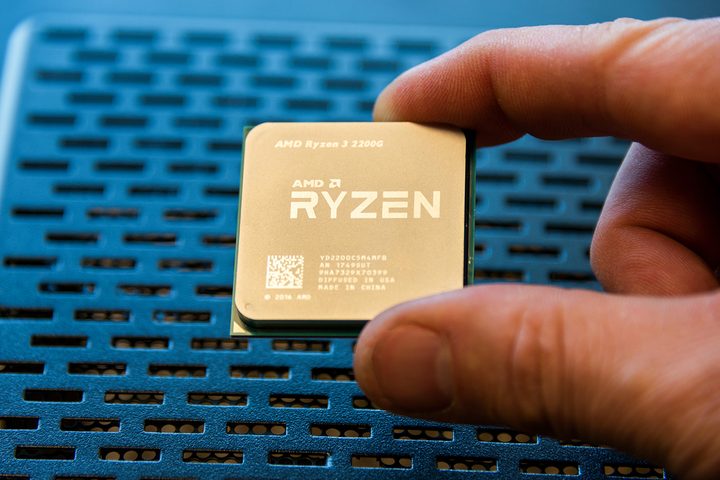
AMD may soon be able to do more than offer credible competition for Intel with its Ryzen hardware. By 2019, it may leapfrog Intel entirely, skipping ahead a die shrink by offering 7nm CPUs and graphics cards while Intel struggles to reach mass-production yields of its long-promised 10nm Cannon Lake CPUs.

Leaked AMD roadmaps made it online earlier in 2018, showing us a planned progression of the company’s Zen architecture through Zen+ chips in 2018 — the Ryzen 2000 series — to Zen 2 in 2019. While Zen+ chips represented a die shrink from 14nm to 12nm, Zen 2 is a much more impactful leap, sidestepping 10nm and skipping straight to 7nm. Now, AMD confirmed it’s on the way to making that a reality.

Recommended Videos

AMD told investors during a recent earnings callper Engadget — that it had begun to sample Zen 2 processors in preparation for their 2019 debut. AMD is also planning to update its graphics chips with the same die-shrunk hardware and stated on that same call that it was also testing Radeon graphics cards using 7nm, Vega hardware — though they were categorized as machine learning GPUs.

Taiwan Semiconductor Manufacturing Company (TSMC) is the fabricator tipped to lead the production of AMD’s next-generation CPUs and graphics chips at the new 7nm die size, though this did come as a surprise when first realized, as AMD typically uses GlobalFoundries, which it divested itself from in 2009. TSMC typically manufacturers Intel CPUs, too, so we will need to keep an ear out for how AMD yields are progressing for the new generation in the lead up to its release since Intel has famously had so many issues with the production of its 10nm hardware.

Questions still remain about its plans for new graphical hardware. AMD continues to face supply and pricing issues of its popular graphics cards and Nvidia’s upcoming Volta generation could put even more pressure on AMD to respond. Graphics cards for machine learning make a lot of sense considering the increased importance that industry has to AMD’s bottom line, but gamers will certainly be wondering when it will return its focus its users who have been important to it over the years.

Jon Martindale
Jon Martindale covers how to guides, best-of lists, and explainers to help everyone understand the hottest new hardware and…
Deepfake bosses are crashing video calls, and researchers are trying to expose them
Seeing your boss on video no longer proves they are real
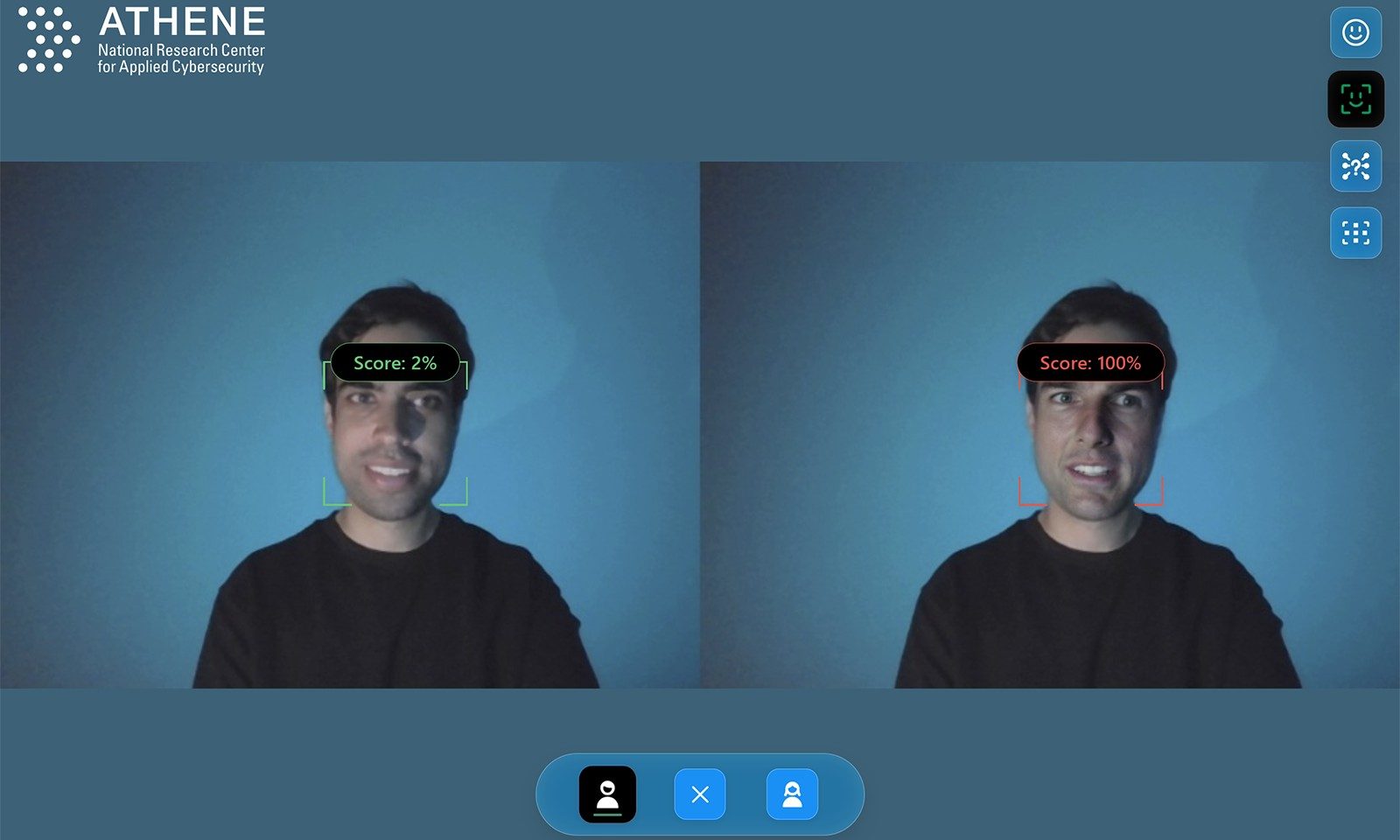
Researchers at Fraunhofer SIT are fighting against deepfake meeting video calls

Entering into a meeting with your boss and several familiar coworkers inside a video conference is the next area vulnerable to cybercrimes, and it's all because of deepfake technology. Researchers at the Fraunhofer Institute for Secure Information Technology SIT are working on a real-time warning system designed to identify attempted fraud during corporate video conferences.

The report states that criminals are increasingly targeting video meetings for identity theft and financial scams, taking advantage of the trust people place in familiar faces and voices. The intention is to flag suspicious activity while the meeting is still taking place. This gives an employee a chance to stop before following an expensive instruction from an AI-generated executive.

Read more
Apple will finally stop making iPhone-to-Windows copy-paste such a chore
Your iPhone may finally copy and paste with a Windows PC like it should
Apple Universal Clipboard feature

Copying something on an iPhone and pasting it onto a Windows PC should be one of the least remarkable features imaginable. While this simple process seems effortless between an iPhone and Mac, Windows users are still left waiting.

Now, Microsoft is formally asking Apple to provide interoperable clipboard access through the company’s European Union interoperability process. The request, submitted on March 25, argues that iOS restrictions prevent third-party platforms from creating an experience comparable to Apple’s Universal Clipboard. Apple has now reached Phase III and committed to developing a solution.

Read more
Chrome wants more extension reviews, but good ratings won’t keep malware out
Google is testing built-in extension review prompts, but good ratings can still hide malware
malicious-google-chrome-extensions-on-web-store

Google is preparing to add extension review links directly inside Chrome, putting feedback closer to the menus people already use to manage their add-ons.

A Chromium change, first spotted by Windows Report, points to review options in the Extensions menu, the chrome://extensions management page, and extension context menus. Only eligible Chrome Web Store extensions in good standing would qualify, and the feature is still under development.

Read more