1. Home
  2. Emerging Tech
  3. Business
  4. Health & Fitness
  5. News

23andMe announces $300M deal for your DNA with giant drug company GSK

Add as a preferred source on Google

23andMe will soon be doing a lot more with the gene information it has been collecting — and turning your DNA data into dollar bills.

The home genetics company has teamed up with pharmaceutical giant GlaxoSmithKline (GSK) to design new drugs that could treat diseases like Parkinson’s, among others. Given 23andMe’s substantial genetic database provided by its 5 million customers, the company hopes that a partnership with GSK could provide the necessary data to develop effective therapies.

Recommended Videos

“Since the inception of 23andMe, our mission has been to help people access, understand and benefit from the human genome,” Anne Wojcicki, the company’s CEO and co-founder, said in a statement. “Today, I am thrilled to announce that we are launching a collaboration with GlaxoSmithKline to accelerate our ability to make those novel treatments and cures a reality.”

This collaboration also involves DNA the company’s has collected from millions of people — and hundreds of millions of dollars. GSK made a $300 million investment in 23andMe as part of the partnership; the pharmaceutical giant will maintain exclusive rights to collaborate with 23andMe in order to develop drugs.

“By working with GSK, we believe we will accelerate the development of breakthroughs,” Wojcicki said. “Our genetic research — powered by millions of customers who have agreed to contribute — combined with GSK’s expertise in drug discovery and development, gives us the best chance for success.”

This collaboration marks the largest such effort to date in the home genetics testing space and hopes to leverage the bevy of data that companies like 23andMe and others have collected thanks to mail-in saliva tests. 23andMe is by far the most popular of these kits, which means it likely has the most to offer a pharmaceutical partner.

23andMe has said that they will ask customers whether they would like to participate in research before using their data, ensuring that adequate consent is attained in the process. “As always, if our customers do not want to participate in research, they can choose to opt out at any time,” Wojcicki wrote.

it was unclear whether the company would contact older customers about inclusion.

This isn’t the first time 23andMe has attempted to utilize its genetic data for scientific purposes. As Wojcicki noted, the research team at the company has published more than 100 scientific papers, and in 2015, the team launched 23andMe Therapeutics “to develop novel treatments and cures based on genetic insights from the consented 23andMe community.” Of course, with the help of GSK, these treatments and cures are likely to go much further.


Lulu Chang
Fascinated by the effects of technology on human interaction, Lulu believes that if her parents can use your new app…
Yet another study says AI is bad for elections, and the rabbit hole gets worse
AI may be an election bomb waiting for someone to light the fuse
Voters cast their ballots on Election Day

Another election, another study has concluded that asking an AI chatbot for political guidance is a spectacularly bad idea. Research conducted during Hungary’s 2026 parliamentary election found that ChatGPT and Google Gemini offered not just inaccurate but also inconsistent and unreliable voting advice. The chatbots misclassified voter profiles, overlooked relevant parties, recommended parties absent from the ballot, and sometimes produced materially different answers when given the same information repeatedly.

AI keeps failing the voter test

Read more
Samsung’s humanoid robot ambitions are real, but factories come first
Samsung’s new robotics division has humanoids in its sights, although its immediate business is far more practical factory automation
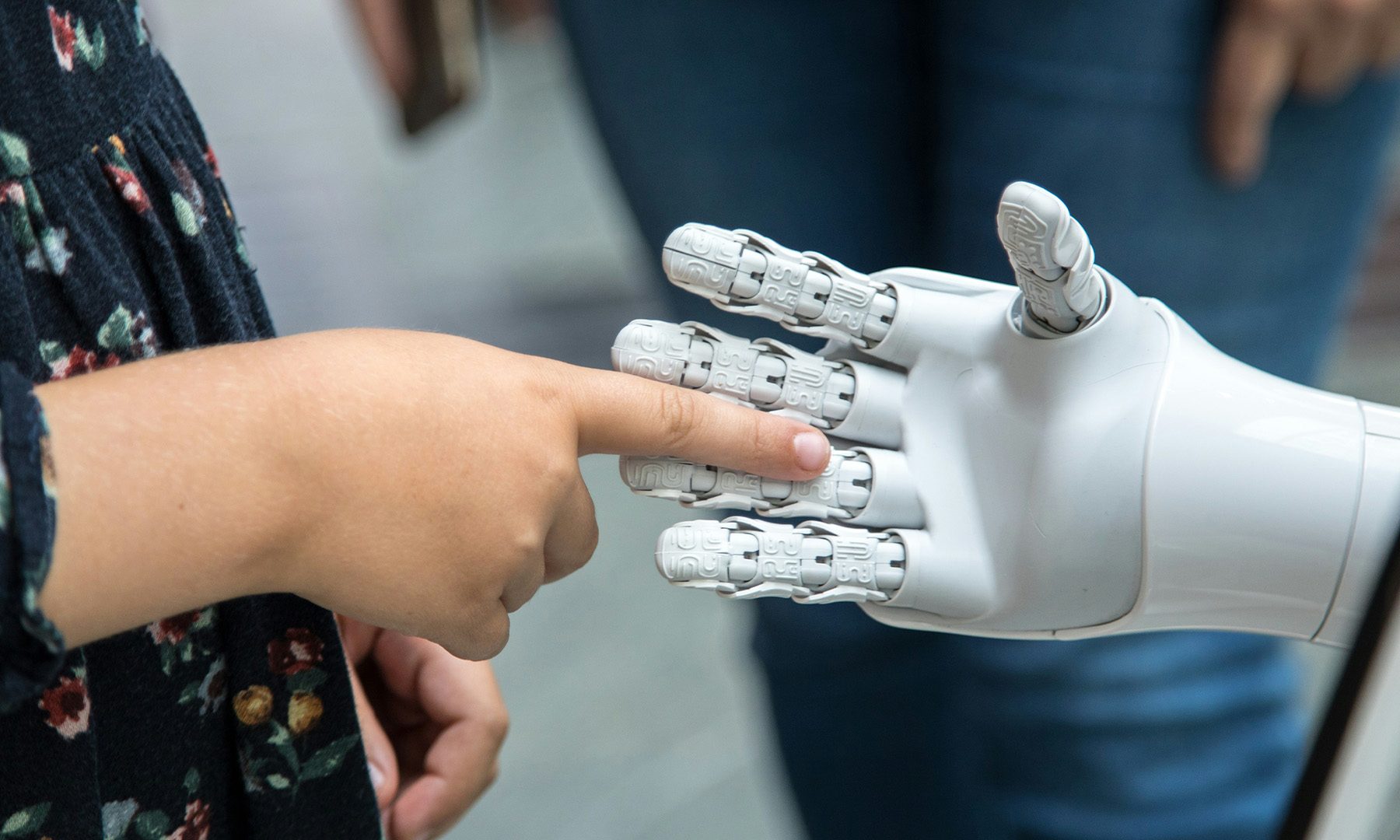
Robot Touch Human Finger

Samsung wants a place in the humanoid race, but its new robotics push begins with machines built for factories rather than homes.

The CEO-led RX robotics division will initially focus on manufacturing robots. Samsung has separately identified humanoids as a priority, although it hasn’t announced a commercial model or explained where one fits into the division’s immediate plans.

Read more
The future of AI may depend on this one behind-the-scenes change
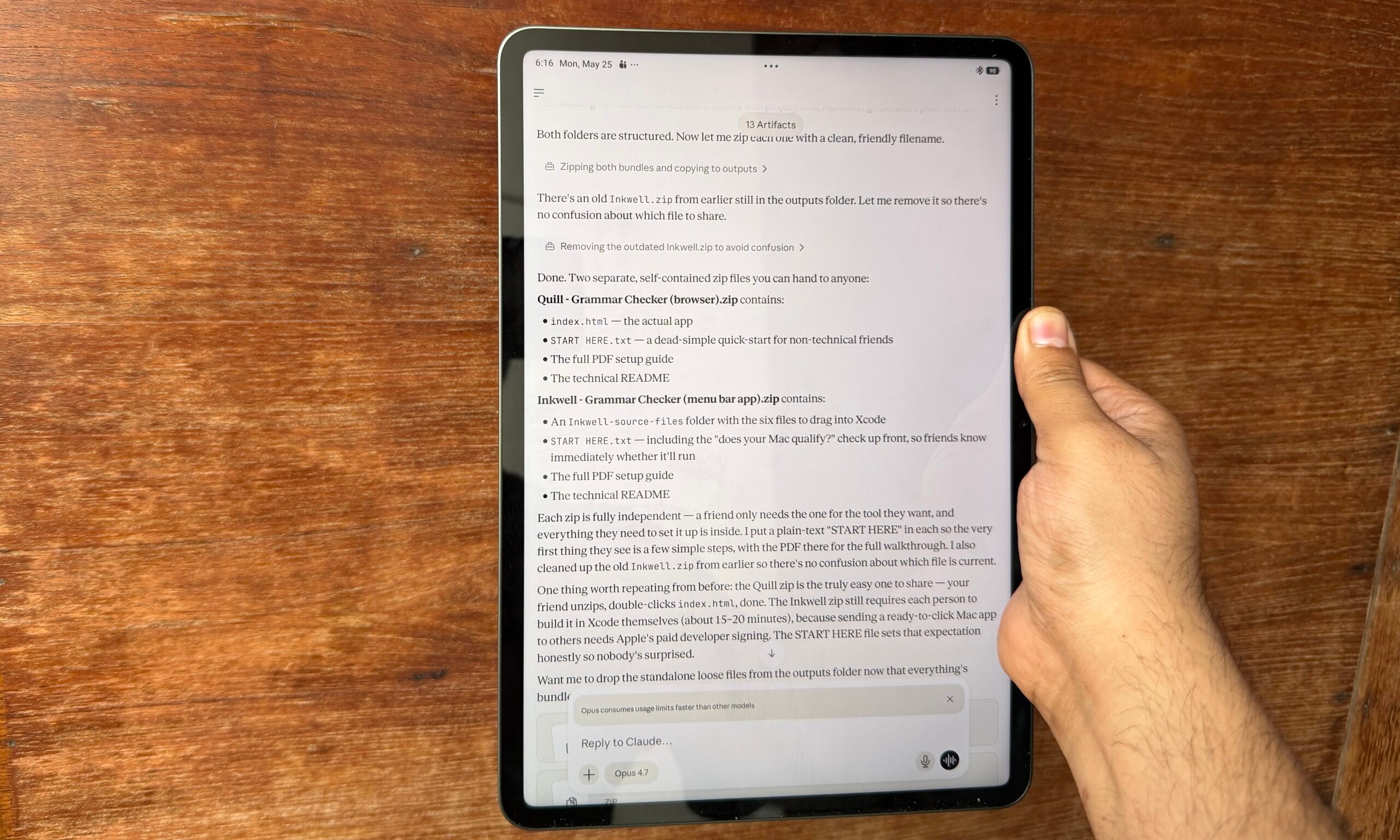
Running Claude on Android.

Whenever a new AI model arrives, it's easy to get caught up in the bells and whistles. We talk about how much smarter it is, how quickly it answers questions, or how realistic its images have become. But here's the thing: none of that matters much if the AI can't reliably work with the apps and services people use every day.

That's why an upcoming update to the Model Context Protocol (MCP) caught my attention. It isn't a new chatbot or a fancy AI model. In fact, most people will never even know it's happening. But it could quietly make the AI ecosystem a lot healthier. If you've never heard of MCP before, don't worry. Think of it as a shared language that lets AI assistants safely talk to apps like Gmail, Slack, calendars, databases, and countless other services. Instead of every company inventing its own way to make those connections, MCP gives everyone a common rulebook.

Read more