  1. Home
  2. Emerging Tech
  3. Cars
  4. News

Smart sound system will give every car passenger their own wireless audio stream

Add as a preferred source on Google
Seat/Noveto

Does your spouse want to listen to the radio, while your oldest kid fancies the latest Beyoncé album, your youngest hankers after the Frozen soundtrack, and you just want to tune into the latest episode of the brilliant new Friday 13th podcast, “In Voorhees We Trust”? Such disagreements are the stuff that long car journey arguments are made made of.

Fortunately, they could soon come to an end, courtesy of a collaboration between Noveto and Spanish car maker SEAT. Their team-up means that each passenger in a car could soon get his or her own separate audio stream — and with no headphones required.

Recommended Videos

It sounds impossible, but it’s apparently achievable by using smart technology to beam sound directly from source to ear, courtesy of what is described as the world’s inaugural “dynamic focused sound” system.

“Applying this new technology will enable us to open a world of possibilities for privately owned vehicles, and especially for shared vehicles,” SEAT Digital Officer Fabian Simmer said in a statement. “Being able to share your car and maintain your privacy is certainly a challenge that seems increasingly achievable, with solutions like the one proposed by Noveto which we hope to feature in our vehicles.”

A press release describing the technology made clear its disruptive potential, although it’s sadly short on details about how the smart tech actually works. It’s not short on examples of potential use cases, however — and these range from the “everyone gets their own music” scenario we painted up top to allowing one person to make or receive incoming hands-free phone calls, as other passengers continue enjoying the in-car infotainment system.

Noveto is no stranger to redefining the audio landscape. At this year’s CES event, the company showcased its “My Virtual Headphones” tech, which provides users with a private stream of audio, courtesy of some smart head-tracking. The latest innovation follows in its footsteps, but adds the all-important multiple user functionality.

There’s no word on when Noveto and SEAT’s amazing, argument-resolving technology will arrive for car owners everywhere. With the promise of never again having to listen to Frozen’s “Let It Go” playing through our car speakers, though, we hope it’s very soon!

Luke Dormehl
I'm a UK-based tech writer covering Cool Tech at Digital Trends. I've also written for Fast Company, Wired, the Guardian…
Samsung’s humanoid robot ambitions are real, but factories come first
Samsung’s new robotics division has humanoids in its sights, although its immediate business is far more practical factory automation
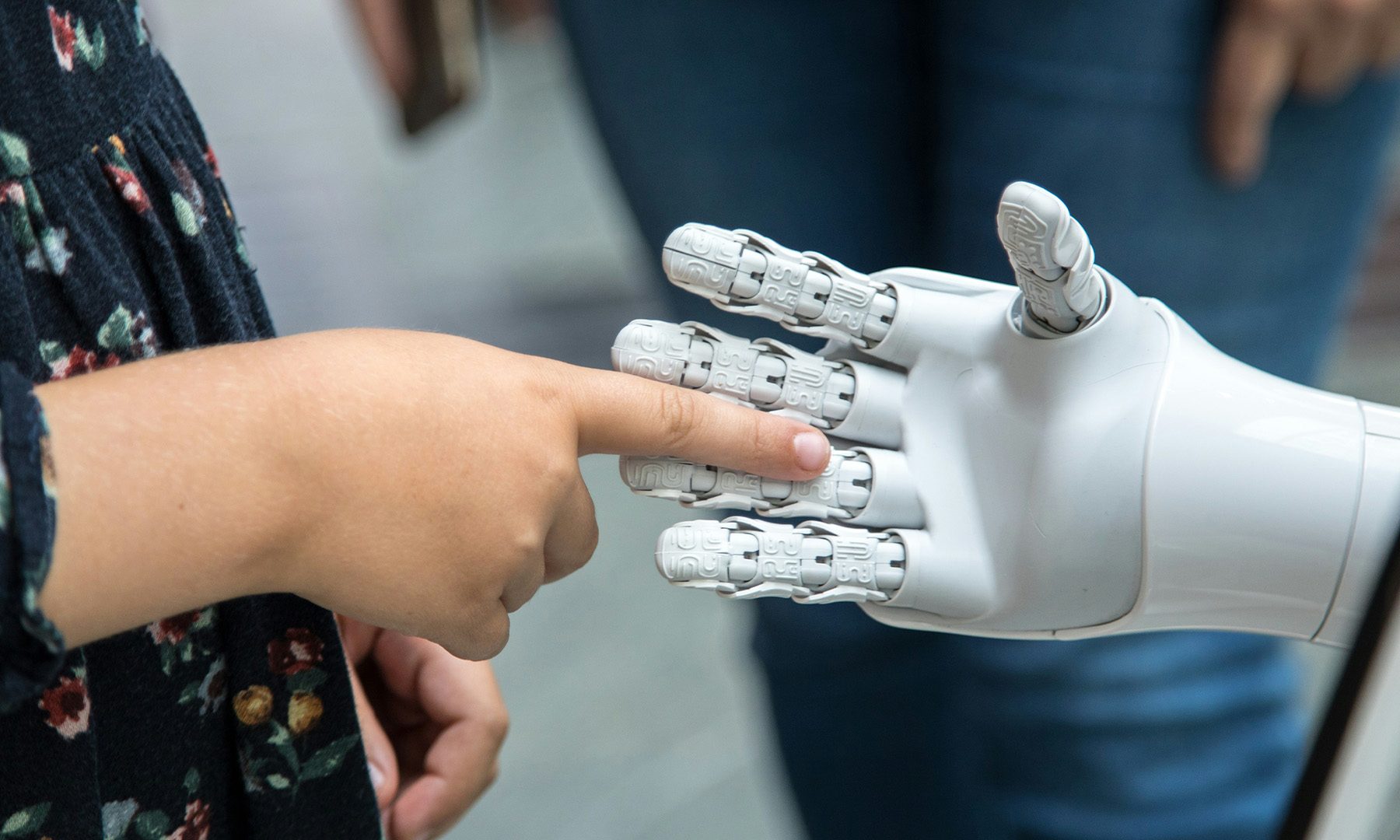
Robot Touch Human Finger

Samsung wants a place in the humanoid race, but its new robotics push begins with machines built for factories rather than homes.

The CEO-led RX robotics division will initially focus on manufacturing robots. Samsung has separately identified humanoids as a priority, although it hasn’t announced a commercial model or explained where one fits into the division’s immediate plans.

Read more
The future of AI may depend on this one behind-the-scenes change
Running Claude on Android.

Whenever a new AI model arrives, it's easy to get caught up in the bells and whistles. We talk about how much smarter it is, how quickly it answers questions, or how realistic its images have become. But here's the thing: none of that matters much if the AI can't reliably work with the apps and services people use every day.

That's why an upcoming update to the Model Context Protocol (MCP) caught my attention. It isn't a new chatbot or a fancy AI model. In fact, most people will never even know it's happening. But it could quietly make the AI ecosystem a lot healthier. If you've never heard of MCP before, don't worry. Think of it as a shared language that lets AI assistants safely talk to apps like Gmail, Slack, calendars, databases, and countless other services. Instead of every company inventing its own way to make those connections, MCP gives everyone a common rulebook.

Read more
The AI game-dev boom has a dark side: fewer jobs for the people starting out
Solo creators are thriving with tools like Claude Code and Copilot, but entry-level game roles are disappearing.
Man playing a video game on a desktop with glowing red and blue lights

AI is making it easier than ever for a single person to build a game. That sounds like a win for creativity, and in many ways, it absolutely is. But there is a catch. As generative AI tools help solo developers and small studios do more with fewer people, the same shift is making life tougher for writers, artists, concept creators, and junior programmers trying to break into the gaming industry.

AI is giving solo developers superpowers

Read more