  1. Home
  2. Computing
  3. Apple
  4. News

Apple’s latest feature ensures MacOS apps are safer than ever

Add as a preferred source on Google
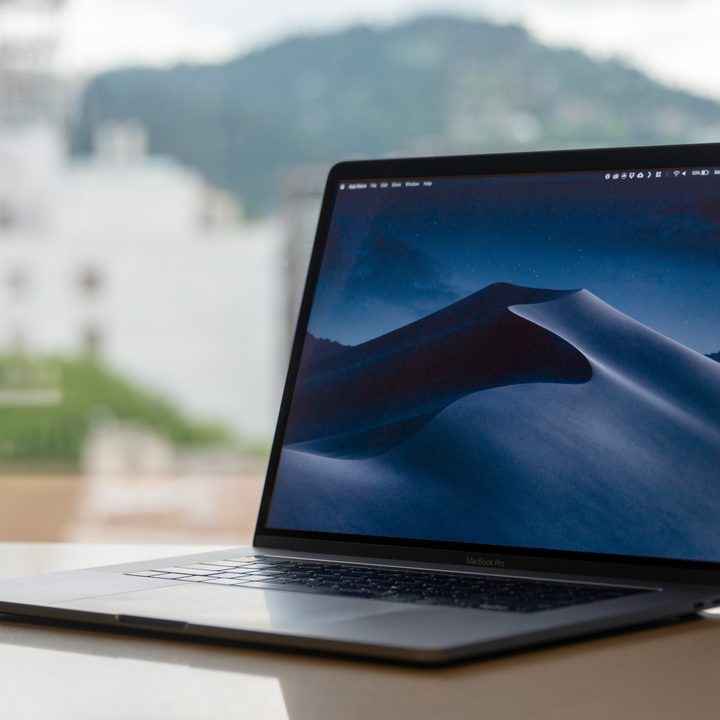
MacOS Mojave 10.14
Image used with permission by copyright holder

MacOS is mythically known for being more immune viruses and other problems when compared to Windows, but that doesn’t mean there isn’t room to make the operating system safer. In the latest development, Apple is using an app notarization feature in macOS Mojave to protect users from downloading malicious apps, originally noted by Mac Rumors.

The new feature builds on the existing GateKeeper functionality and adds in “streamlined dialog” for the user to see that a downloaded app is not a form of malware. Under the hood, the process involves the use of XCode, and scanning the network ID and performing security checks on the code.

Recommended Videos

Apple provides a technical step-by-step guide on the process over on its developer website, noting it “give users even more confidence in your software by submitting it to Apple to be notarized.” The process only affects apps which are opened through an installer package, or disk image and will not impact other games or programs downloaded through the store.

GateKeeper was first introduced in 2012 and is on by default on all Macs. It sets security settings to high levels, only allowing apps from the App Store or identified developers to be installed. Users can always temporarily override the security settings and open or install apps as they please.

“The safest place to get apps for your Mac is the App Store. Apple reviews each app in the App Store before it’s accepted and signs it to ensure that it hasn’t been tampered with or altered. If there is ever a problem with an app, Apple can quickly remove it from the store,” explains Apple.

The feature has been somewhat controversial in the past. In two separate instances, GateKeeper was proven to be vulnerable. Once in September 2015, a researcher bypassed the defenses by using a trusted binary file. In January 2016, another researcher leveraged a man-in-the-middle attack on the security feature. Apple quickly patched the security flaws in both instances.

Apple recently pushed out MacOS Mojave on September 24. Along with the usual security patches, the free upgrade introduces a Dark Mode, improved App Store, group chat in FaceTime, and stacks for helping clean up the desktop. We found these to be excellent features, noting that the upgrade revamps the entire MacOS user experience.

Arif Bacchus
Arif Bacchus is a native New Yorker and a fan of all things technology. Arif works as a freelance writer at Digital Trends…
Windows 11 is getting a new Screen Tint mode, and your eyes might thank Microsoft
Users can apply custom color overlays to reduce screen intensity and visual fatigue.
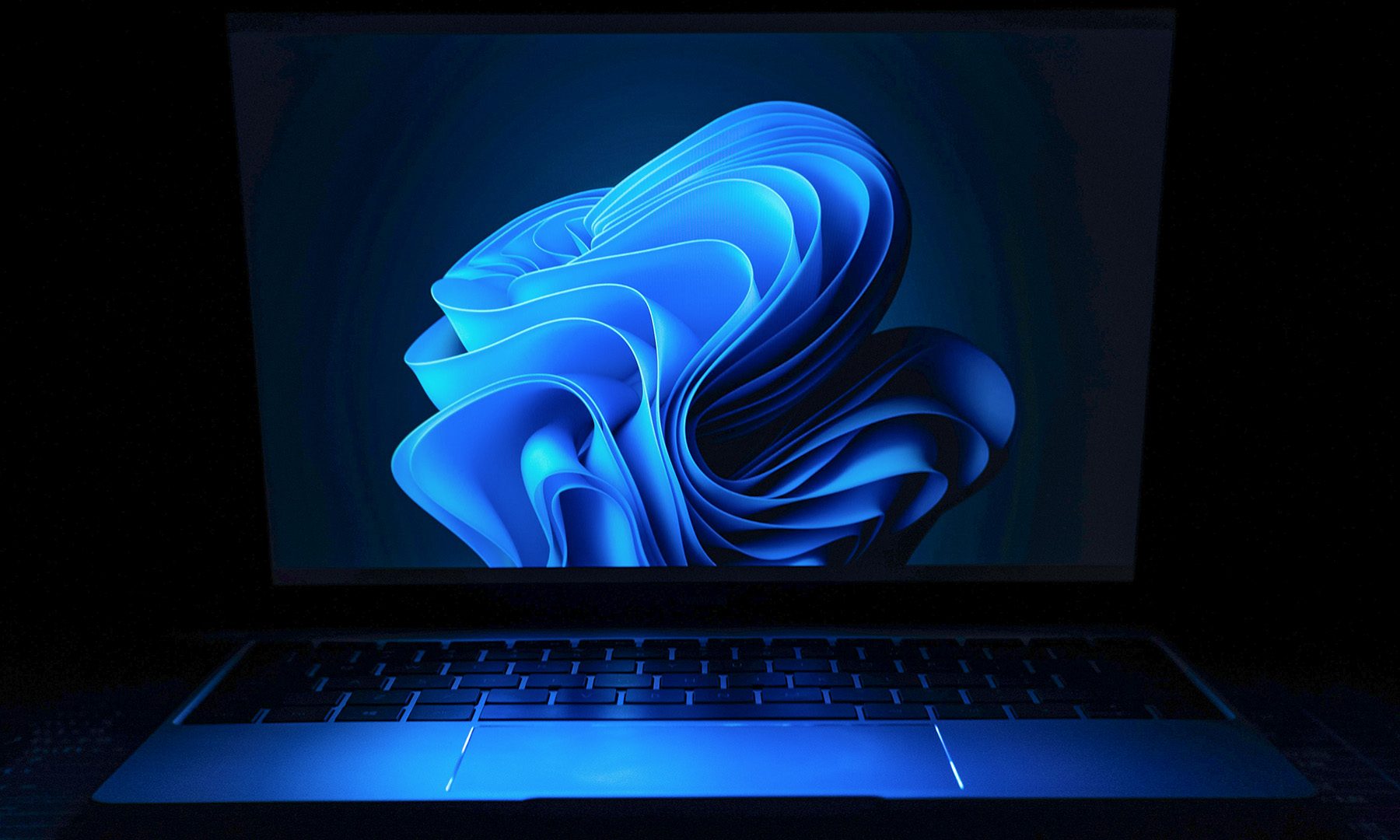
Windows 11 on a laptop

Microsoft is testing a new accessibility feature for Windows 11 called Screen Tint, and it could be one of those small additions that make a surprisingly big difference. Instead of changing your display's color temperature like Night Light, Screen Tint applies a customizable color overlay across the entire screen, making bright displays easier on the eyes during long work or gaming sessions.

A softer screen for tired eyes

Read more
Apple’s looking at a politically radioactive fix for the memory crisis, and the US government isn’t happy about it
Apple blamed memory costs for your price hike. Its proposed solution involves a Pentagon blacklist.
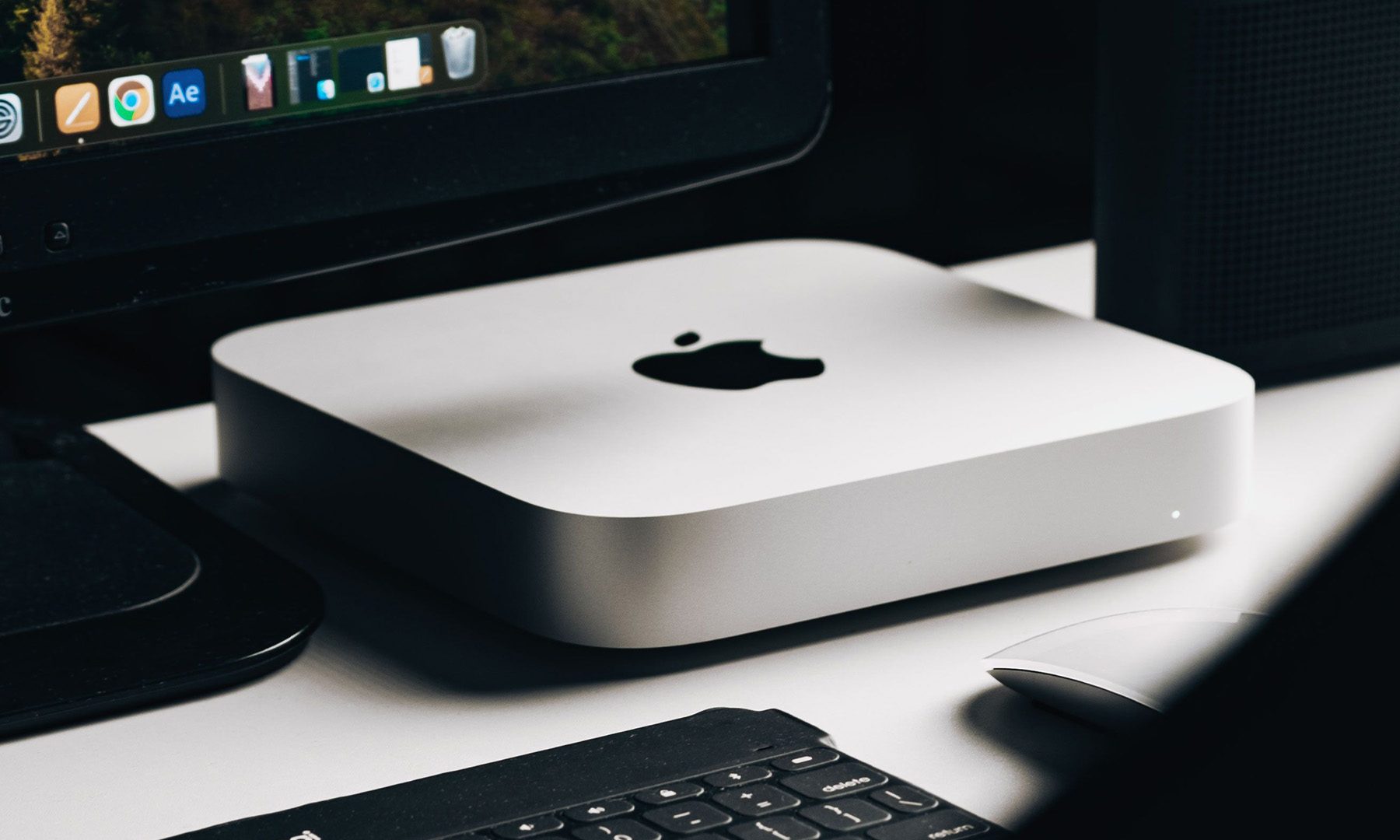
Apple Mac Mini on a Desk

A few days ago, Apple announced an ugly mid-cycle price hike, blaming the worsening-by-the-day memory crisis. According to the Financial Times, the company is now lobbying the government for approval to buy memory chips from a Chinese company. 

The company in question is CXMT, a Chinese chipmaker that the Pentagon added to its Chinese Military Company blacklist for alleged ties to the Chinese army.

Read more
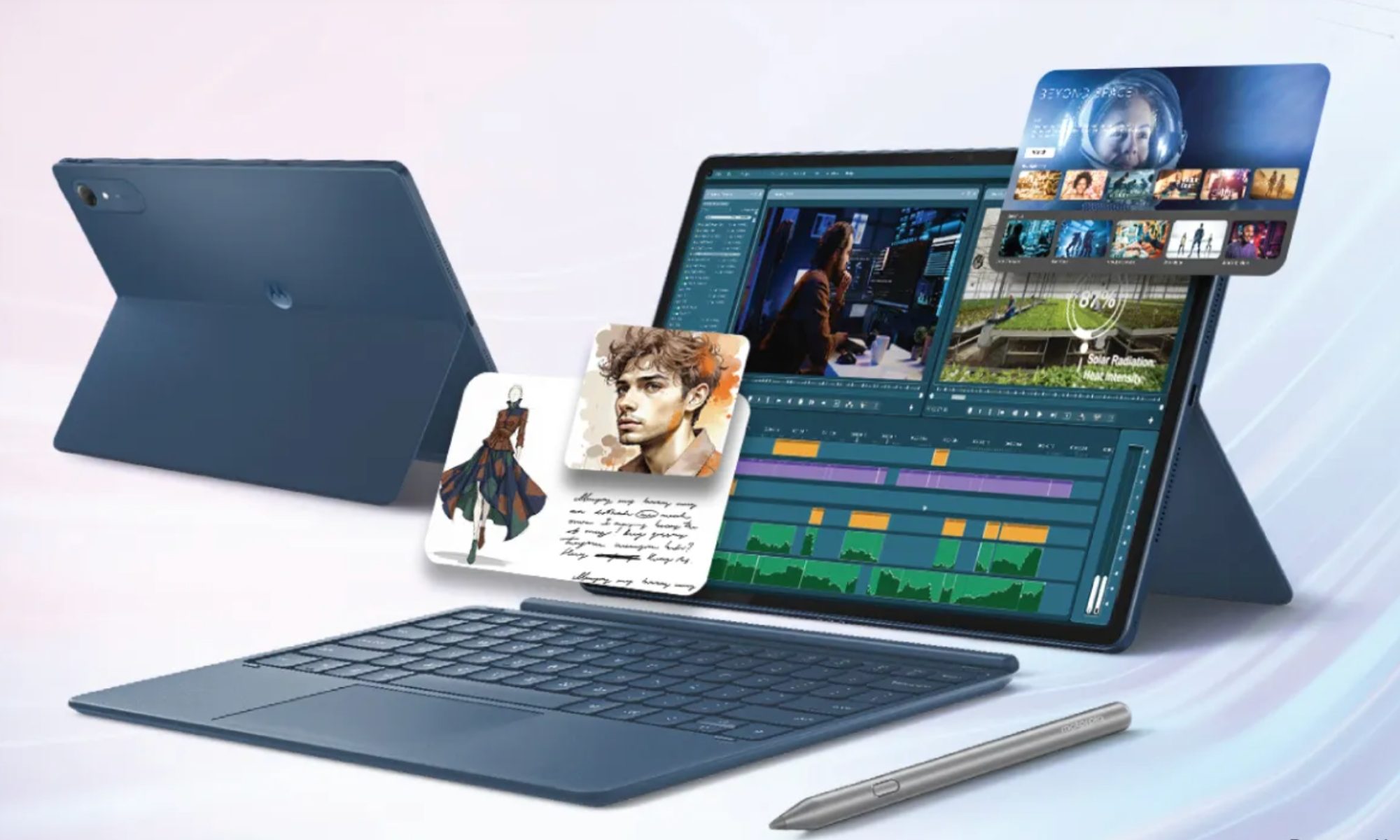
As iPads get pricier, Motorola’s Pad 70 Pro arrives as a solid option… just not for US buyers yet
Great specs, a stylus in the box, and no US launch date: the Moto Pad 70 Pro sounds both impressive and disappointing.
Computer, Electronics, Laptop

If you don’t know about Apple’s recent price hike, which affected all the products in its lineup except the iPhone and Apple Watch (for now), you’ve got to be living under some sort of a rock. The revision made all the iPads much more expensive. 

Motorola, however, has just launched a 13-inch tablet that actually sounds good on paper. It’s called the Moto Pad 70 Pro, and it costs around $440 for the baseline model. The catch, however, is that the device isn’t available in the US yet. 

Read more