1. Home
  2. Computing
  3. News

Mac malware: researcher shows Gatekeeper flaw just plastered over, not repaired

Add as a preferred source on Google

A flaw in Apple’s Gatekeeper security feature isn’t fixed, according to the security researcher who found it. Turns out Apple wasn’t fully patching holes, just blocking specific bits of malware from getting through.

“Even on a fully-patched OS X 10.11.2 system, Gatekeeper is trivial to bypass,” wrote Parick Wardle, who first revealed the flaw, in a blog post demonstrating that it is very much still there. A video shows a man-in-the-middle attack, injecting malware into an unencrypted download of Kaspersky Internet Security for Mac. The malware installed alongside the security software.

Recommended Videos

Gatekeeper is an OS X security feature that, by default, blocks all applications but those downloaded from the Mac App Store, or (optionally) apps from “identified developers.” The idea here is to block malware on Macs: only software developers Apple has approved can get software running on the platform.

But Wardle found a workaround last year. To simplify, an authorized program — such as Kasperskey — is modified to launch a bit of malware when opened. If that malware happens to be in the same folder as the authorized app, it will launch.

Apple seemingly patched the problem in December, but when Wardle reverse-engineered the patch he found it wasn’t comprehensive. Apple had blacklisted the tools Wardle used to bypass Gatekeeper, but hadn’t solved the underlying issue — meaning would-be malware makers needed only to find new tools.

Wardle has been in touch with Apple’s security team, Engadget reports, and says a comprehensive fix is on the way.

And Wardle is working on a fix of his own. “I’ll be releasing a personal tool that can generically thwart such attacks, protecting OS X users,” he wrote in his blog post.

Until one or both of these fixes come online, users can stay safe by sticking only to downloading apps from the Mac App Store or trusted sites that are using HTTPS encryption. That’s probably a good idea even after this problem is patched.


Justin Pot
Justin's always had a passion for trying out new software, asking questions, and explaining things – tech journalism is the…
Windows 11 is getting a new Screen Tint mode, and your eyes might thank Microsoft
Users can apply custom color overlays to reduce screen intensity and visual fatigue.
Windows 11 on a laptop

Microsoft is testing a new accessibility feature for Windows 11 called Screen Tint, and it could be one of those small additions that make a surprisingly big difference. Instead of changing your display's color temperature like Night Light, Screen Tint applies a customizable color overlay across the entire screen, making bright displays easier on the eyes during long work or gaming sessions.

A softer screen for tired eyes

Read more
Apple’s looking at a politically radioactive fix for the memory crisis, and the US government isn’t happy about it
Apple blamed memory costs for your price hike. Its proposed solution involves a Pentagon blacklist.
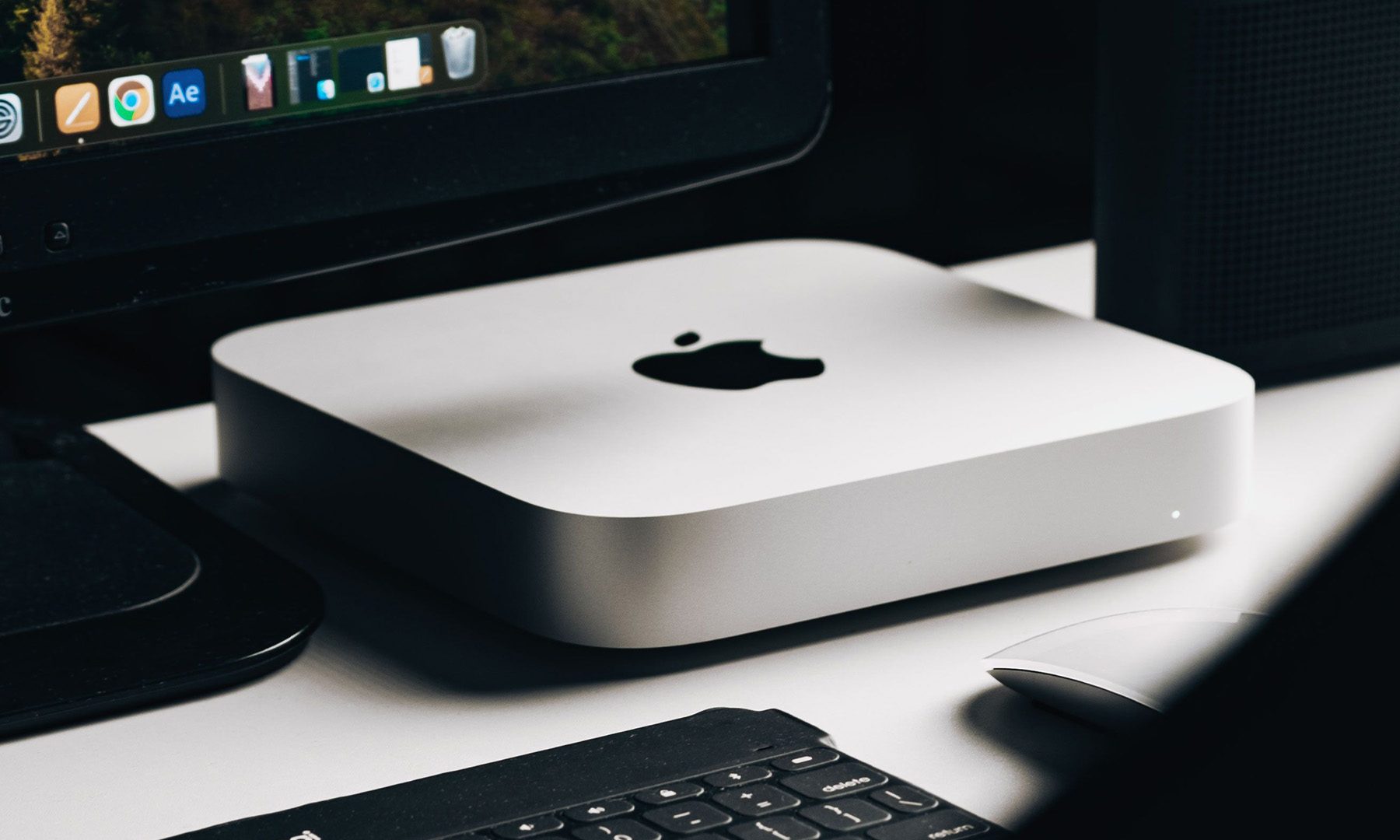
Apple Mac Mini on a Desk

A few days ago, Apple announced an ugly mid-cycle price hike, blaming the worsening-by-the-day memory crisis. According to the Financial Times, the company is now lobbying the government for approval to buy memory chips from a Chinese company. 

The company in question is CXMT, a Chinese chipmaker that the Pentagon added to its Chinese Military Company blacklist for alleged ties to the Chinese army.

Read more
As iPads get pricier, Motorola’s Pad 70 Pro arrives as a solid option… just not for US buyers yet
Great specs, a stylus in the box, and no US launch date: the Moto Pad 70 Pro sounds both impressive and disappointing.
Computer, Electronics, Laptop

If you don’t know about Apple’s recent price hike, which affected all the products in its lineup except the iPhone and Apple Watch (for now), you’ve got to be living under some sort of a rock. The revision made all the iPads much more expensive. 

Motorola, however, has just launched a 13-inch tablet that actually sounds good on paper. It’s called the Moto Pad 70 Pro, and it costs around $440 for the baseline model. The catch, however, is that the device isn’t available in the US yet. 

Read more