  1. Home
  2. Phones
  3. Apple
  4. Mobile
  5. News

Trump refuses to give up his iPhone, despite report that spies are listening in

Add as a preferred source on Google

President Donald Trump is known to call friends and advisors late at night, but it turns out that when he does, someone else may be listening too. According to a new report from the New York Times, American intelligence suggests that Chinese and Russian spies are “often listening” to Trump’s calls — and may well be using that information to figure out how best to work with the president when it comes to administration policies.

It’s well-known that the President is advised to steer clear of using everyday Android or iPhone devices, and aides have reportedly warned Trump against using his iPhone on multiple occasions. Despite the fact that Trump has reportedly given in to pressure and uses his secure landline more often these days, he still refuses to give up his iPhone — and could be using it to discuss classified information. According to the report, Trump has three phones — two with limited functionality, aimed at preventing eavesdropping, and one iPhone that’s like any other iPhone out there.

Recommended Videos

The report notes that American spy agencies have learned that China and Russia were eavesdropping on Trump’s phone calls from human sources inside foreign government agencies. Agencies have also said that they’ve determined what China is hoping to learn by listening in on these calls:  Things like who he generally listens to, what kinds of arguments sway his opinion, and more. It seems as though the Chinese have put together a list of individuals with influence over Trump in the hopes of eventually being able to use them. The Chinese government is also relying on Chinese businessmen to feed arguments to Trump’s trusted friends with the hopes that those arguments will eventually be delivered to Trump by people he trusts. It’s not currently believed that Russian spies are using the same methods given Trump’s relationship with Russian President Vladimir Putin.

China’s methods of influencing the president aren’t new. For decades, officials have attempted to sway the president’s opinions by creating an informal network of businesspeople and academics who can be fed ideas and then bring them to the White House. What’s new, however, is that officials previously weren’t able to rely on eavesdropping on the president’s phone calls.

Following the New York Times story, Trump tweeted that he “only [uses] government phones,” and that he only seldom uses government cell phones. He then clarified in a follow-up tweet that he “rarely” uses a cell phone, and that when he does, it’s a government-issued phone. Ironically enough, both tweets were sent from an iPhone.

Christian de Looper
Christian de Looper is a long-time freelance writer who has covered every facet of the consumer tech and electric vehicle…
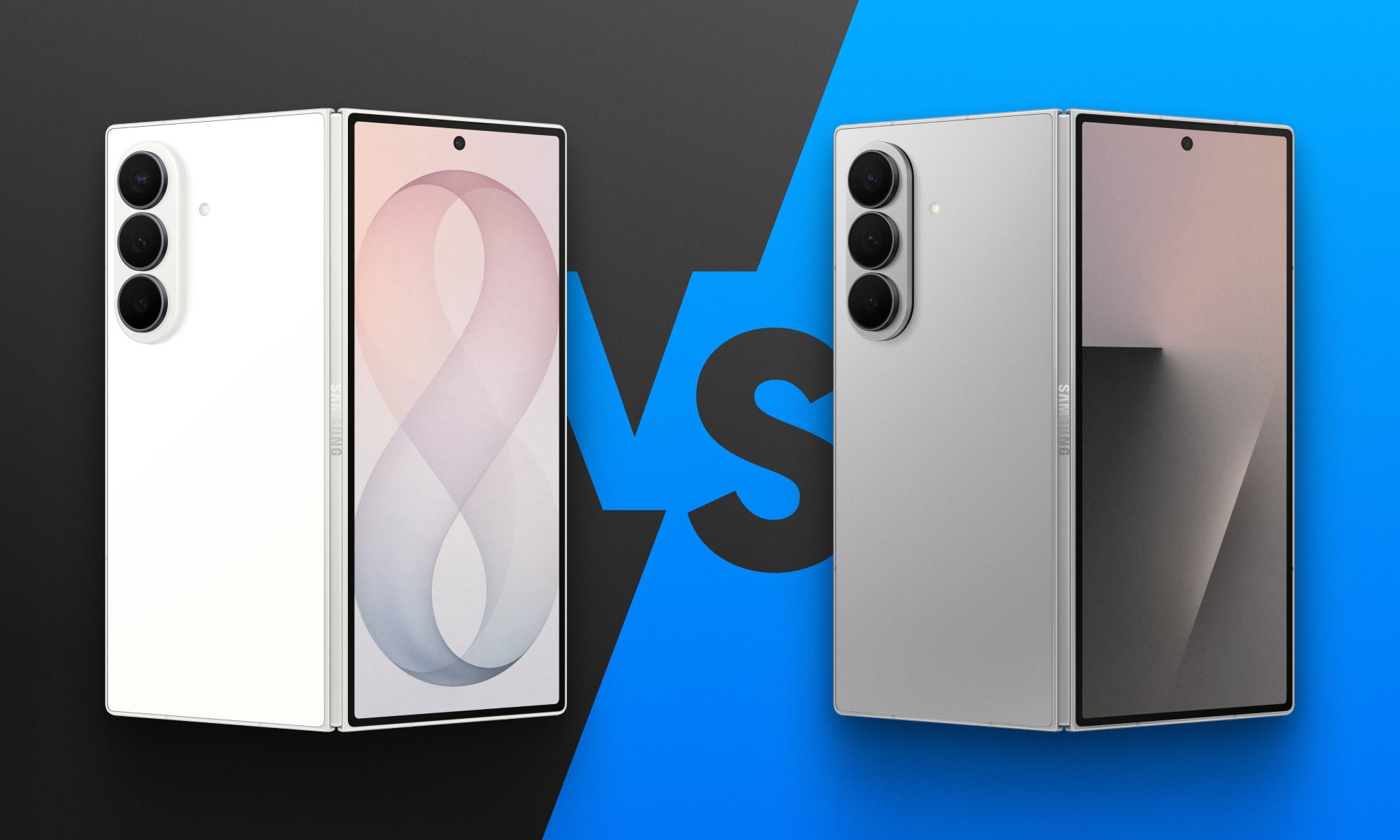
Fold 8 Ultra vs. Fold 7: Upgrades across the board, but is the Ultra really worth the upgrade?
From battery capacity to camera hardware, here's a full comparison between the Galaxy Z Fold 8 Ultra and Galaxy Z Fold 7, and whether upgrading actually makes sense.
Galaxy Z Fold 8 Ultra vs. Fold 7

Foldables age differently than regular smartphones or flagships. But why do I say this? It's the hinge and the foldable aspect that wins buyers over in the first place, not the specifications that get outdated every single year. That's precisely why anyone still carrying last year's Galaxy Z Fold 7 is asking a fair question today: does Samsung's freshly unveiled Z Fold 8 Ultra genuinely earn an upgrade, or does the Fold 7 still hold its ground?

And for shoppers who skipped last year's model entirely and are weighing their first foldable purchase, the calculus is totally different. A now-discounted Fold 7 might undercut the Ultra by a considerable sum, and that could matter to those looking to spend on the form factor, not the latest specifications. 

Read more
Samsung makes it easier to run multiple apps on Galaxy Z Flip 8’s cover screen
Samsung's Galaxy Z Flip 8 now runs 16 apps on its cover screen.
Galaxy Z Flip 8 cover display

Samsung is finally making the Galaxy Z Flip's cover screen much more useful. With the new Galaxy Z Flip 8, you no longer have to rely on workarounds to access more apps without unfolding the phone. Instead, Samsung has expanded native support on the FlexWindow, allowing 16 apps to run directly on the outer display and also making it much easier to launch virtually any other app.

The update addresses one of the biggest complaints Flip users have had for years and brings Samsung up to the level of rivals like Motorola, whose Razr series has long offered a more flexible cover screen experience.

Read more
Google just made switching from iPhone to Android much easier with Android 17
Android 17 can now transfer your passwords, passkeys, eSIM, and even your home screen.
Android-17-switch-ios-to-android

Moving from an iPhone to an Android phone has never been an easy process, but Google is trying to change that. With Android 17, the company has introduced a rebuilt Android Switch that can move far more of your data than any past version ever could.

Google worked with Apple to create the new transfer system from the ground up, allowing far more information to move wirelessly than before. The upgraded experience is already rolling out to eligible Pixel devices and is also available on Samsung's new Galaxy Z Fold 8 and Galaxy Z Flip 8 through Smart Switch.

Read more