1. Home
  2. Phones
  3. Business
  4. Mobile
  5. Social Media
  6. News

WhatsApp finally gives in to the lure of cash-generating ads

Add as a preferred source on Google

WhatsApp’s two co-founders always promised to keep their app ad-free. But after they both quit, it seemed inevitable that its owner, Facebook, would find a way to incorporate ads as part of efforts to monetize the popular messaging service.

So it comes as no surprise to learn that WhatsApp is gearing up to put ads into its Status feature, the part of the app that lets you share text, photos, videos, and GIFs that disappear after 24 hours — yes, it is a lot like Stories on Snapchat and Instagram.

Recommended Videos

The news of WhatsApp’s upcoming effort to squeeze some cash out of the smartphone app comes courtesy of WhatsApp vice president Chris Daniels, who told the Economic Times this week: “We are going to be putting ads in ‘Status’.”

The executive added: “That is going to be [the] primary monetization mode for the company as well as an opportunity for businesses to reach people on WhatsApp.”

Daniels didn’t say when the ads will start appearing, but his revelation suggests work on incorporating them into WhatsApp is in the advanced stages of preparation and so they may show up soon.

Facebook acquired WhatsApp in 2014 for a colossal $19 billion. At the time the messaging app had 450 million monthly active users globally, and has since added another billion.

Co-founders Jan Koum and Brian Acton launched WhatsApp in 2004, with its only income generated by a $1 annual fee charged after a year’s use. Even that was dropped in 2016, making the app free for everyone. Even then, Koum and Acton promised that despite the move to ditch the fee, there would be “absolutely no ads” appearing in the app.

But then, amid reports of tension between WhatsApp’s co-founders and their bosses at Facebook about how to develop the app, Acton quit the company in 2017, with Koum following a few months later.

The pair’s departure opened the way for Facebook to proceed with various changes to WhatsApp, particularly regarding efforts to monetize it, and the incorporation of ads looks certain to be a lucrative move for the social networking giant.

How users will respond to what is essentially a broken promise remains to seen. With so many of them now long-time users of WhatsApp, it’s unlikely that any kind of mass exodus will occur, though Facebook will need to be careful with parameters such as ad frequency in order to limit any irritation among WhatsApp’s community of 1.5 billion people.

Trevor Mogg
Contributing Editor
Not so many moons ago, Trevor moved from one tea-loving island nation that drives on the left (Britain) to another (Japan)…
The EU says TikTok still isn’t doing enough to protect kids
Regulators say the platform's privacy settings don't go far enough under the Digital Services Act.
TikTok Creative Featured

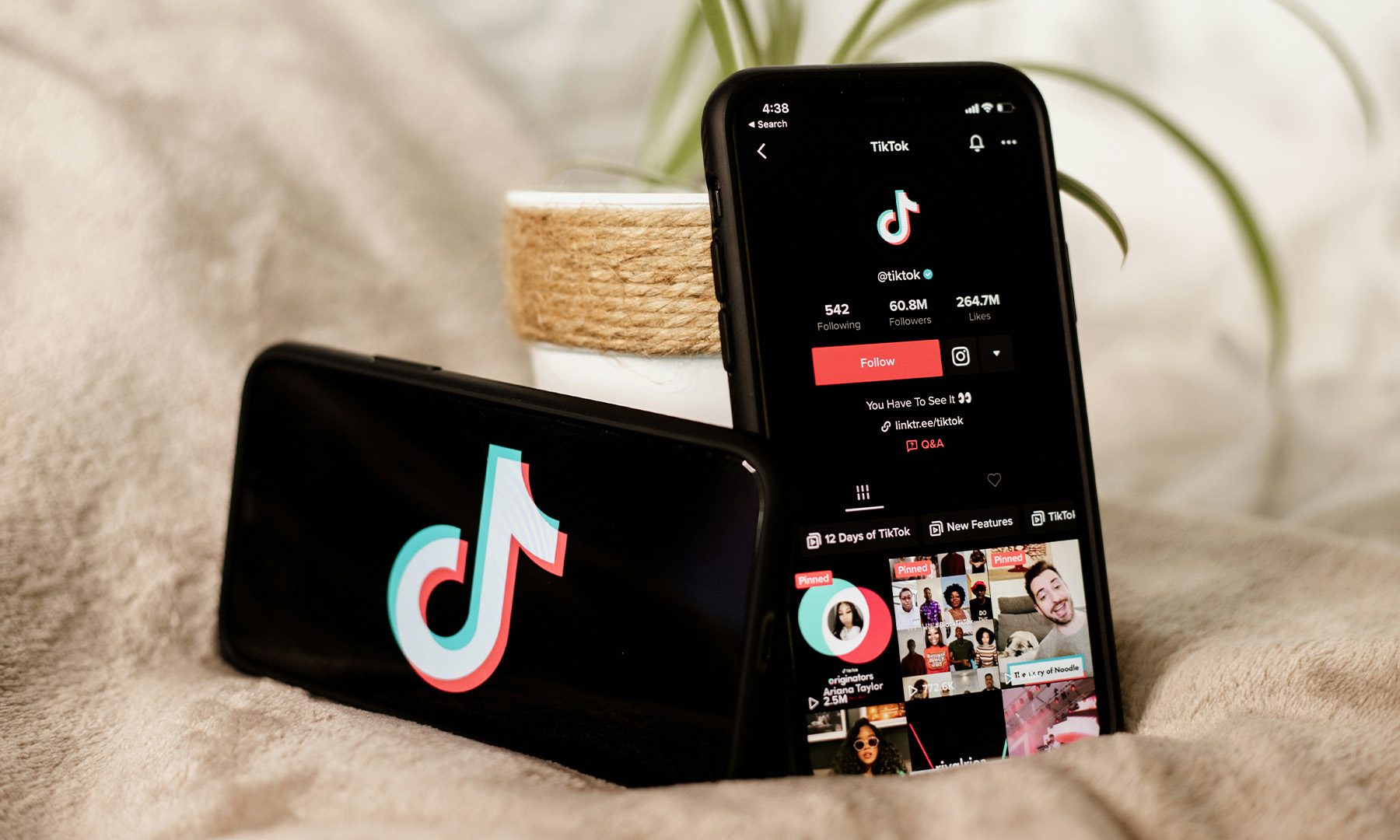
The European Commission has accused TikTok of falling short on protecting minors, saying the platform's current account settings don't meet the child safety standards required under the Digital Services Act (DSA). The findings are preliminary, but if upheld, TikTok could face a fine of up to 6% of its global annual revenue.

Why the EU thinks TikTok isn't doing enough

Read more
Qualcomm is set to ratchet up chip prices in September, and your next gadget upgrade could bear the brunt
The price hike could touch every Snapdragon-powered device category.
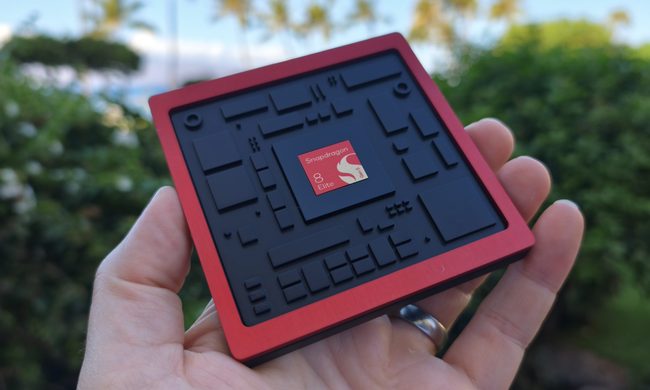
The new Qualcomm Snadragon 8 Elite Gen 5

I want you to sit with this for a second. Qualcomm, the company whose Snapdragon chips sit inside your Android phone and tablet, your Windows laptop, your Meta smart glasses, your Galaxy Watch, and your wireless earbuds, reportedly sent a letter to every major customer telling them prices are going up by double digits. 

The price hike will be in effect from September 1, 2026, a recent Bloomberg report claims. Essentially, all the companies placing their chip orders after that will pay a higher price. 

Read more
Enter the wrong PIN 13 times and your Galaxy phone is locked for good
New Galaxy phones will require a factory reset after 13 failed unlock attempts
Samsung Galaxy S26 Ultra smartphone in blue color.

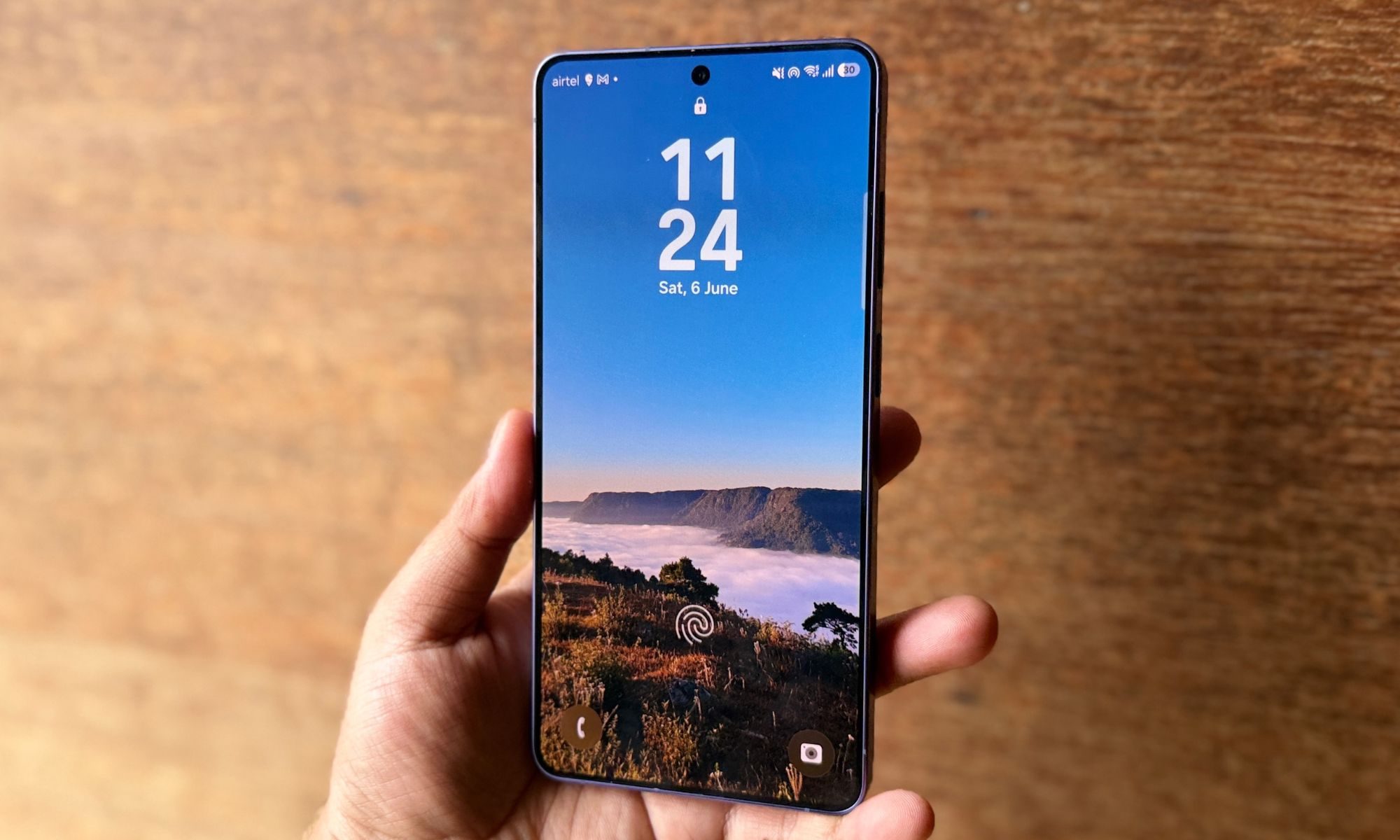
Samsung is making the lock screen much harder to break on Galaxy devices launching with Android 17-based One UI 9. Enter the wrong PIN, pattern, or password 13 times, and the phone will stop accepting attempts. A full factory reset will then be the only way to use it again.

The change is designed to stop brute-force attacks, where someone repeatedly guesses different passwords until one works. It is a major shift from older One UI versions, which mainly relied on temporary waiting periods rather than a mandatory final lockout.

Read more