  1. Home
  2. Computing
  3. News

Leak reveals Intel’s 9th-generation laptop processors could be coming soon

Add as a preferred source on Google
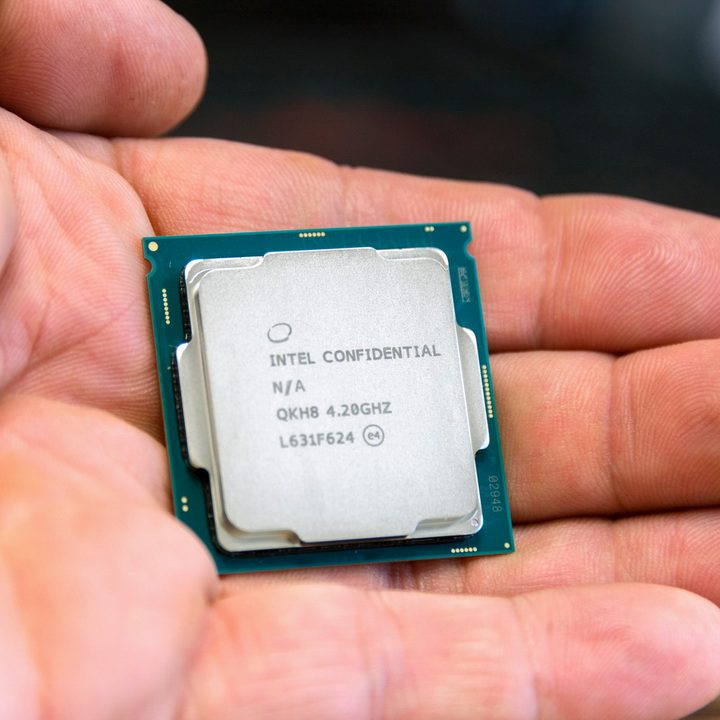
Intel Core i7 8th Gen hand scale
Image used with permission by copyright holder

Intel recently refreshed its lineup with 9th-generation desktop processors, led by the flagship Core i9-9900K, but new mobile CPUs for laptops and other 2-in-1s were noticeably absent. A refresh could be coming soon though, as leaked Lenovo documentation now points to a new series of low-powered Intel mobile processors, according to a report from WCCFtech.

The leaked Lenovo documentation (via wccftech) WCCFTech/Lenovo

Specifications or pricing are not available or official as of yet, but the leaked documentation for a Lenovo Ideapad S530 points to three new Intel chipsets. Still falling under the U-series, the new mobile processors include the Core i7-9550U, Core i5-9250U, Core i3-9130U. These would be replacing the Core i7-8565U, Core i5-8265U, and the Core i3-8145U, which are still listed as configuration options for the yet to be announced Lenovo device.

Recommended Videos

Unlike the 9th-generation desktop processors, these new mobile CPUs could likely come with faster clock speeds and just a slight jump in performance and power efficiency. Considering Intel’s delays, the chipsets are also likely to still be built on the existing 14nm++ processes without an overall increase in core or thread counts.

You can instead expect for the  i7-8565U and Core i5-8265U processors to come in quad-core and Hyper-Threading configurations, and the Core i3 series coming in a dual-core variety. As for cache levels, WCCFtech reports the Core i7 could come with 8 MB of L3 cache, the Core i5 6 MB of L3 cache, and the Core i3 4 MB of L3 cache.

Nothing is official due to these leaks, but since the chipsets are listed on Lenovo’s documentation, it does hint that the release of 9th-generation mobile processors could be right around the corner. Intel also recently launched a new line of 8th-gen mobile chips at IFA 2018 in August, and their release timeline has been inherently confusing and vague.

CES 2019 is also coming up, and this could be the right time for a new reveal. It would pair up nicely alongside new laptops from leading manufacturers such as HP, Dell, Lenovo, and Samsung. Hopefully, the release will be controversy-free once these new chipsets become public. Intel recently stood by benchmarks on its new desktop processors, after benchmarking company Principle Technologies was accused of skewing certain technical testing results.

Arif Bacchus
Arif Bacchus is a native New Yorker and a fan of all things technology. Arif works as a freelance writer at Digital Trends…
Apple will finally stop making iPhone-to-Windows copy-paste such a chore
Your iPhone may finally copy and paste with a Windows PC like it should
Apple Universal Clipboard feature

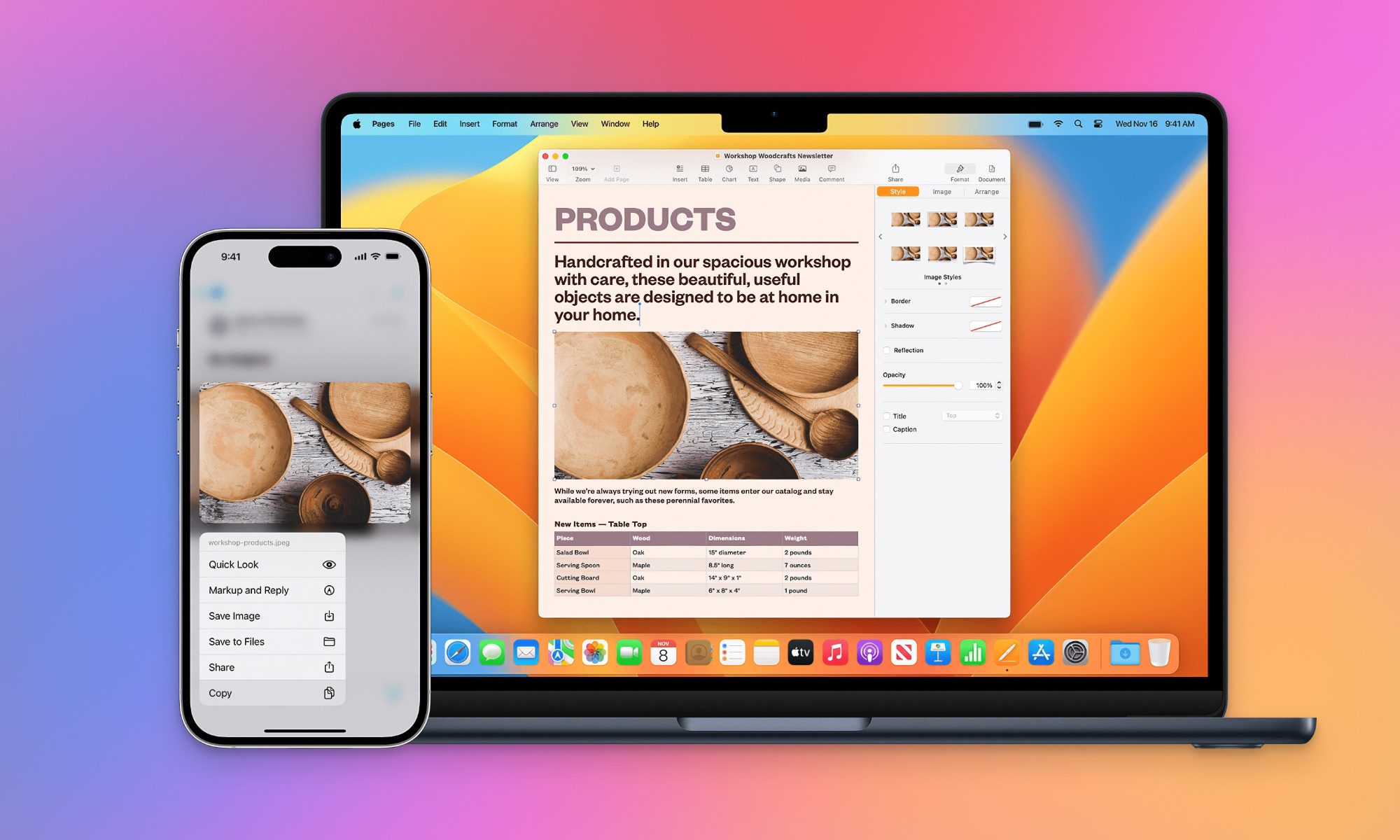
Copying something on an iPhone and pasting it onto a Windows PC should be one of the least remarkable features imaginable. While this simple process seems effortless between an iPhone and Mac, Windows users are still left waiting.

Now, Microsoft is formally asking Apple to provide interoperable clipboard access through the company’s European Union interoperability process. The request, submitted on March 25, argues that iOS restrictions prevent third-party platforms from creating an experience comparable to Apple’s Universal Clipboard. Apple has now reached Phase III and committed to developing a solution.

Read more
Chrome wants more extension reviews, but good ratings won’t keep malware out
Google is testing built-in extension review prompts, but good ratings can still hide malware
malicious-google-chrome-extensions-on-web-store

Google is preparing to add extension review links directly inside Chrome, putting feedback closer to the menus people already use to manage their add-ons.

A Chromium change, first spotted by Windows Report, points to review options in the Extensions menu, the chrome://extensions management page, and extension context menus. Only eligible Chrome Web Store extensions in good standing would qualify, and the feature is still under development.

Read more
Passkeys were pushed as a safer future. Hackers have figured out ways to break those synced to Google
Google’s “uncopyable” passkeys may be easier to steal than promised
google-lawsuite-AI-Scams

Passkeys have been pushed as the safer successor to passwords. It promised protection from phishing, credential reuse, and password leaks. Google even claims that it cannot be copied or accidentally handed to someone else. But it might not be as secure as the company wants it to be.

Security researchers (Via BleepingComputer) have now found three ways malware can undermine those promises for passkeys synced through Google Password Manager. The techniques, collectively named Pass-ta-key, target Google Password Manager inside Chrome on Windows computers equipped with a Trusted Platform Module. Every attack requires malware to already be running on the victim’s computer.

Read more