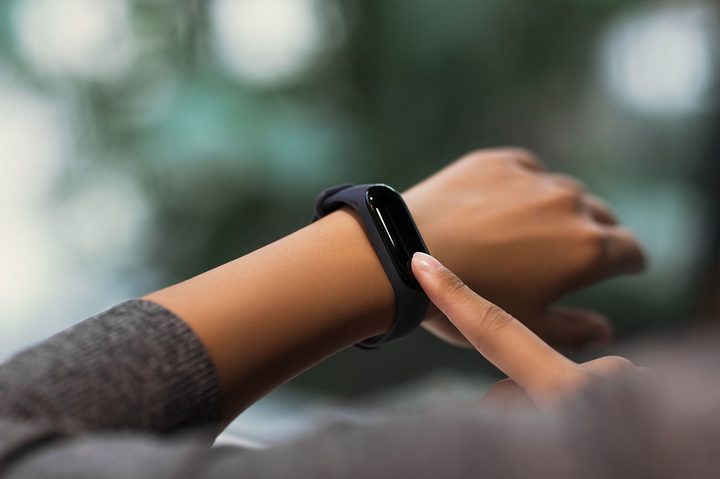
Despite throwing itself head-first into the U.K. in November, Xiaomi isn’t a name that engenders much recognition from the public in the West. But that doesn’t really seem to matter, as Xiaomi has successfully overtaken Apple in unit sales in the third quarter of 2018, according to a report from the International Data Corporation (IDC).
Clearly thriving in a growing wearables market, Xiaomi saw its unit sales increase by a staggering 90.9 percent when compared to the same quarter in the previous year — for a total of 6.9 million wearable devices sold. The IDC attribute this largely to the launch of the Mi Band 3, and Xiaomi’s expansion outside of its home territory of China. While Chinese sales still make up 61 percent of Xiaomi’s shipments, this number has fallen significantly from the usual 80 plus percent — and this shows Xiaomi has successfully grown in other markets, including India, Europe, the Middle East, and Africa.
The market saw growth as a whole in 2018 increasing by 21.7 percent. However, it’s not smartwatches creating this boom — instead, the IDC points to more basic wearable devices as being the major growth areas here. These devices have more basic features and a lower price point, and could be used by brands to eventually catapult consumers into more expensive smartwatches as time goes by. Growing demand in Asia and the Pacific (excluding Japan) pushed most of this growth, accounting for 21.4 percent of the increase. By comparison, U.S. wearables sales dropped by 0.4 percent — a fall likely due to the U.S. market transitioning from a market driven by new users, to one focused around upgrades and replacements of existing wearable devices.
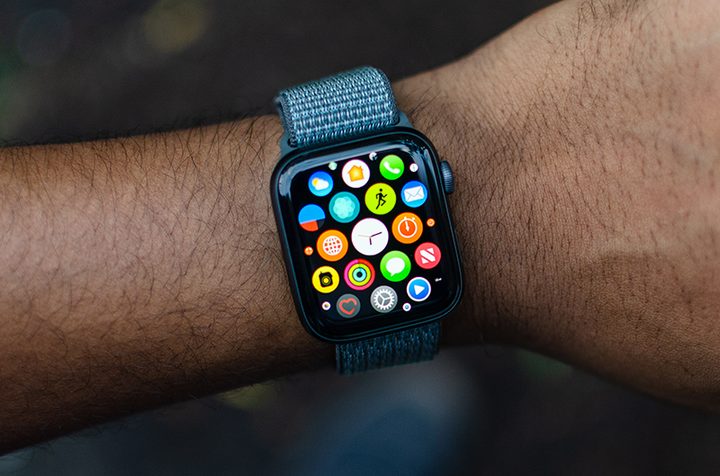
Despite losing out on the top spot for this metric, Apple still did extremely well this quarter as well, seeing a 50.4-percent growth over the same period for last year. While the launch of the Apple Watch Series 4 is likely to have helped, it’s interesting to note only 20 percent of Apple’s sales this quarter were from the new device. Instead, the lower price of the Apple Watch Series 3 seems to have helped push sales of that particular smartwatch.
Fourth and fifth place were taken by Huawei and Samsung, and both firms also saw growth, with boosts of 20.3 and 91 percent, respectively. Third place Fitbit continues to suffer, with unit sales dropping by 3.1 percent. However, Fitbit is still significantly ahead of Huawei, with 3.5 million in unit sales compared to Huawei’s 1.9 million.
But while more basic wearables are driving market growth, the IDC predicts it will be the more costly healthcare features offered by premium brands like Apple and Fitbit that will stave off pressure from value vendors. “The healthcare market is quickly becoming the next frontier for wearables brands to conquer,” said Jitesh Ubrani, senior research analyst for IDC Mobile Device Trackers. “With heavy regulation and greater scrutiny, this segment will likely be the one that staves off value brands, allowing the market leaders to further cement their lead.”
With sales growing, it’s clear that wearable tech is here to stay — and it’s likely the growth has only just begun.