We’ve entered the era of 5G, and while it hasn’t necessarily brought about the mobile revolution some expected, it could well do so in the next few years. The current 5G is better than 4G, but only delivers minimal improvements to download speeds — unless you live in a major city like NYC. However, eventually, it should dramatically improve download speeds, nearly eliminate latency, and reduce congestion on mobile networks.
In other words, 5G is going to give your Wi-Fi connection a run for its money.
While Wi-Fi and 5G will be pitted against each other, all signs point to us likely needing both technologies to fully take advantage of the internet of tomorrow. While 5G will undoubtedly come in handy in many situations, Wi-Fi, which is still being developed and updated, will be useful in other situations. And they could end up working together to improve your wireless network, such as in the case of 5G home internet.
What’s the difference between 5G and Wi-Fi?
We have a detailed explanation of what 5G is, but in brief, 5G is the umbrella term for the fifth generation of cellular network technology, and it encompasses a lot of different elements. Cellular or mobile networks rely on licensed spectrum bands, which are auctioned off to the highest bidder. Carriers, like Verizon and AT&T, have to pay to use those bands. To roll out coverage, they have to build a network of connected base stations capable of sending out a signal that’s strong enough for the network to serve multiple people (thousands in urban areas) at once. To recoup their investment and further expand network infrastructure, they rely on us paying subscriptions.
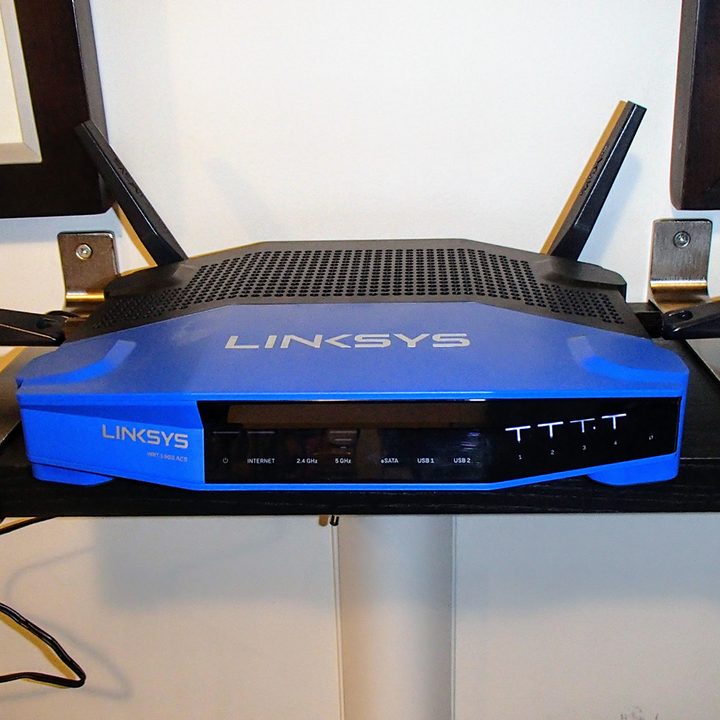
Wi-Fi relies on an unlicensed spectrum that’s free for anyone to use but has a relatively weak signal. We pay an internet service provider (ISP) to deliver the internet to our door, and then we use a router to fill our house with Wi-Fi. Using the same Wi-Fi frequency band as your neighbors can be a problem, especially if you live in a very densely populated area with limited bandwidth. The two frequencies that Wi-Fi uses are 2.4GHz and 5GHz. In simple terms, 2.4GHz has a lower potential top speed but penetrates better, so it has a longer range than the higher frequency, 5GHz, which can deliver faster speeds but doesn’t penetrate things like walls as easily.
It’s worth noting that 5GHz Wi-Fi has absolutely nothing to do with 5G mobile networks. Though Verizon 5G home internet does cross that boundary.
In everyday life, most of us rely on a Wi-Fi network at home or in the office — or in coffee shops — and mobile networks when we step out the front door and move out of range of the router. Our phones switch automatically and we don’t give it any thought; the important thing is simply having a good connection at all times. That scenario will continue to be the case for the vast majority of people as 5G continues to roll out. The difference is that both mobile networks and Wi-Fi are going to see performance improve.
The promise of 5G
The prospect of download speeds between 1Gbps and 10Gbps and upload speed, or latency, of just 1 millisecond (ms) has people excited about a more robust 5G network. Those speeds are comparable to what you’d see from a physical, wired connection. However, the reality is we won’t typically get anywhere near the theoretical top speeds. And even if we did, it wouldn’t be for at least a few more years.
An April 2021 study by Opensignal revealed T-Mobile offered the fastest average 5G download speed of around 71.3Mbps, with download speeds reaching 103.6Mbps in New York and 108.8Mbps in Virginia. In comparison, AT&T’s fastest average 5G download speed was 54.9Mbps and Verizon came in at 47.7Mbps.
The actual speed of your 5G connection will depend on many factors, including where you are, what network you’re connecting to, how many other people are connecting, and your connected device. The aim is to achieve a minimum download speed of 50Mbps and a low latency of 10ms. That will represent a major improvement over current average speeds, but just as with 4G LTE, 5G coverage is expanding slowly. Currently, we’re at an average download speed of around 57Mbps, according to a study from Speedcheck. That means that the minimum is far less than that.
It’s also going to work hand-in-hand with not just Wi-Fi but also earlier generations of cellular technology, so 4G LTE will continue to be offered as a fallback and will likely keep evolving and getting faster.
The promise of Wi-Fi 6

Wi-Fi has traditionally been very confusing in terms of the naming conventions for standards. It went from 802.11b to 802.11a, 802.11g, 802.11n, and then 802.11ac.
The Wi-Fi Alliance (and the industry at large) has accepted the need for something less perplexing, so the next standard, 802.11ax, is marketed as Wi-Fi 6. This simpler naming convention is also being applied retroactively, so 802.11ac will become Wi-Fi 5, and so on. The new Wi-Fi 6 standard offers speeds faster speed — at least four times faster than Wi-Fi 5, under certain conditions — but it also brings improvements in efficiency and capacity designed to cope with the growing number of internet-connected wireless devices in the average home. Just like 5G, Wi-Fi 6 will complement, not replace, existing Wi-Fi standards, especially because actual devices will need to add support for newer versions of Wi-Fi, too. Theoretically, maximum Wi-Fi 6 speeds top out at around 9.6Gbps, but you’ll likely never hit that in real-world use with your internet connection.
What do you need to enjoy 5G service or Wi-Fi 6?
At this point, both 5G and Wi-Fi 6 are pretty widely available. On the 5G side, carriers have now rolled out nationwide 5G networks built on Sub-6 spectrum — and they’re set to continue expanding that network and adding midband and high-band spectrum to complement it. That said, you’re most likely to have 5G connectivity if you live in a major city or urban area.
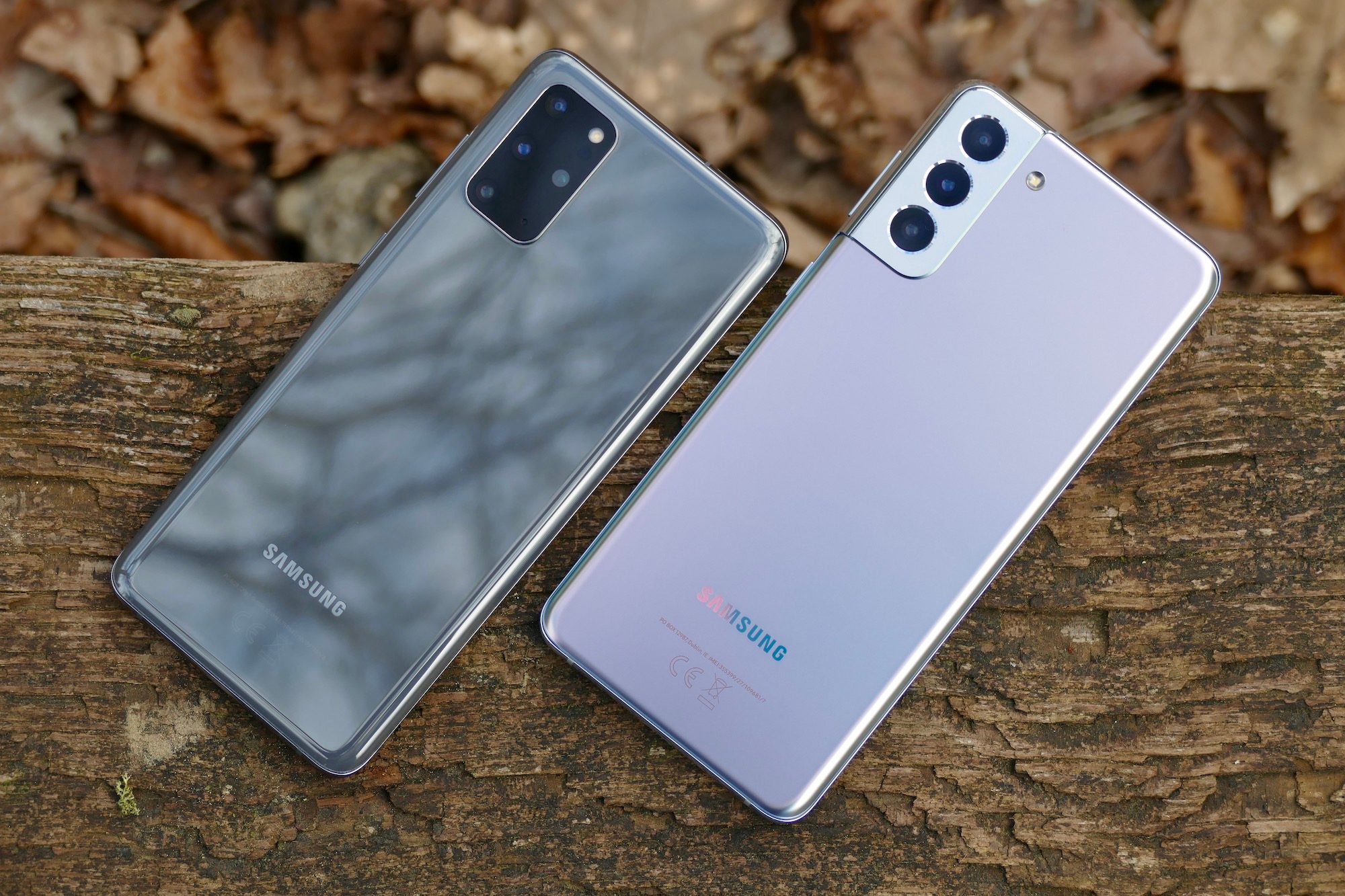
To get access to Wi-Fi 6, you’ll need a router that supports the standard, and you’ll need a 5G phone or a device that supports it, too. Most newer smartphones support both 5G and Wi-Fi 6, especially when it comes to higher-end devices like the Samsung Galaxy S22 Ultra. Eventually, all phones, computers, and so on will support both standards.
The future of internet connectivity
As more and more routers have Wi-Fi 6 built into them, and more and more cell towers beam out 5G networks, our internet speeds, both at home and on the go, will get faster, with lower latency. More technologies and 5G smartphones will spring up, too. With 4G-enabled advances like online mobile gaming and mobile streaming, 5G speed will enable a range of new use cases, like connected cars.
Of course, only time will tell what the future really holds for wireless technology and internet connectivity, but expect to be hearing the terms “5G” and “Wi-Fi 6” a whole lot more in the next few years. Eventually, slower speeds will be a thing of the past.