  1. Home
  2. Emerging Tech
  3. Health & Fitness
  4. News

FDA hails ‘Tumor Monorail’ that coaxes aggressive tumors away from the brain

Add as a preferred source on Google
Bellamkonda Tumor

Imagine a tool which could trick aggressive brain tumors into exiting the brain and migrating into an external container like a medical version of the ghost trap from Ghostbusters. Fortunately, you don’t have to imagine it at all — since the so-called “Tumor Monorail” is a very real, potentially game-changing invention. And it just got the U.S. Food and Drug Administration (FDA) “Breakthrough Device” designation to prove it.

Recommended Videos

Developed by researchers at Georgia Tech and Emory University, the device resembles a catheter tube which reaches into the skull, with the other end leading to a reservoir that could contain tumor-killing drugs. The smart part is that it is able to mimic the physical properties of the brain’s white matter to fool brain tumors into spreading through it, as opposed to through real brain tissue.

While it doesn’t destroy the existing tumor in the brain, the device could help slow down its spread. The results could make brain tumors more of a manageable condition. The device may prove particularly helpful in situations in which tumors are considered inoperable either due to their placement or the condition of the patient.

“This was the first demonstration that you can engineer migration inside the body and move a tumor from point A to point B by design,” said Ravi Bellamkonda, formerly of Georgia Tech and now at Duke University, said in a statement. “It was also the first demonstration of bringing the tumor to your drug rather than your drug going into the brain and killing valuable cells.”

The project has been in development since 2014. A prototype device has been shown capable of slowing the spread of tumors, along with shrinking them by upward of 90 percent. This result, which was demonstrated in rats, has been reproduced multiple times in the lab. The team is now scaling up and redesigning the device so that it can be used for humans.

To be clear, the FDA “Breakthrough Device” designation doesn’t mean FDA clearance or approval. Instead, it shows that this is a device that the FDA sees massive amounts of potential for. With the help of that ringing endorsement, the researchers are now gearing up to begin work on their next proof-of-concept study. Their goal is to achieve FDA approval for human trials by the end of this year.

Luke Dormehl
I'm a UK-based tech writer covering Cool Tech at Digital Trends. I've also written for Fast Company, Wired, the Guardian…
This $249 LED sign wants to fix your work-life balance
My productivity isn't worth $249... or is it?
Flipper Busy Bar

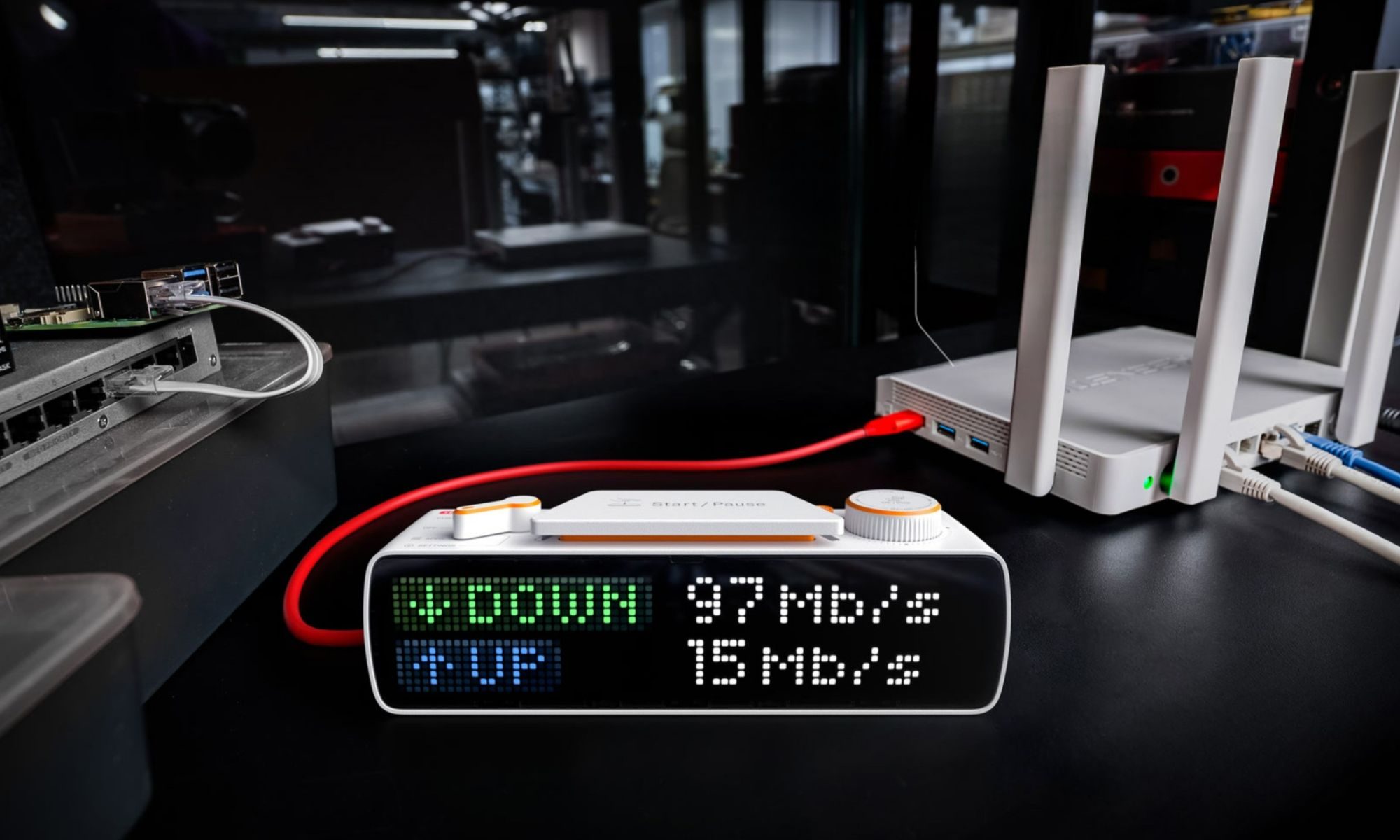
Flipper Devices has built a reputation among hackers and hardware enthusiasts with the Flipper Zero, a pocket-sized gadget capable of interacting with RFID, NFC, Bluetooth, and other wireless protocols. Now, the London-based company is taking a very different approach.

Its latest product, the Busy Bar, is a desktop productivity display designed to help users stay focused, signal their availability, and automate parts of their workflow. After being teased last year, the device is finally going on sale on July 14. While the concept is genuinely clever, its starting price of up to $249 may make many buyers think twice.

Read more
FAA clears the runway for Mach flights that could cut travel times nearly in half
New regulations could dramatically reduce travel times while keeping sonic booms under control.
Supersonic Flight Time

The dream of flying faster than the speed of sound just took a major step forward. The Federal Aviation Administration (FAA) has announced a proposed rule that would create the first noise-based certification standards for a new generation of supersonic passenger aircraft, removing one of the biggest regulatory hurdles standing in the way of commercial Mach 1+ flights.

The goal is simple: fly faster without the boom

Read more
NotebookLM’s 60-second videos turned my doomscrolling curse into something useful
Electronics, Mobile Phone, Phone

Short videos have taken over just about every app we use. You scroll through them on X, lose track of time on Instagram, watch them on YouTube, and now even Netflix has its own bite-sized feed. So when I heard that Google was bringing the format to NotebookLM, it felt both surprising and completely inevitable at the same time.

Google has announced Short Video Overviews for NotebookLM, a feature that turns dense documents and complicated sources into 60-second vertical videos that explain key ideas. Instead of staring at pages of notes, you get a quick visual walkthrough of the concept you're trying to understand.

Read more