1. Home
  2. Phones
  3. Android
  4. Mobile
  5. News

Google Maps will let you enter Incognito Mode, and it won’t store your data

Add as a preferred source on Google

Google has started realizing that people care about their online privacy. At Google I/O 2019 the company announced a number of new features for the privacy-aware. Perhaps the biggest and most important feature is that Incognito Mode will now be available in Google Maps.

But what does that mean? Well, when you use Google Maps, your location information is stored by Google, and linked to your Google account. In Incognito Mode, however, that location information won’t be stored — meaning that if you don’t want your information from Maps saved, you no longer have to manually delete it. It’s important to note that just because Google doesn’t have location information about you, that doesn’t mean that your wireless carrier won’t have it. Incognito Mode is also already available on YouTube.

Recommended Videos

Incognito Mode in Maps isn’t the only new privacy-focused feature Google announced at Google I/O. The company also discussed new ways to control how much information Google keeps about you. Now, you can tell Google to delete your Google data history after 18 months, three months, or delete it manually. The feature will be coming to your account settings in the coming weeks. The new auto-delete feature was actually first announced last week, but it’s now rolling out — so you can set up your account to delete data now.

It will soon be easier than ever to access your privacy settings, too. From Google apps, users will soon be able to tap on their profile picture, then tap the “Manage your Google account” button, after which they’ll have access to privacy and security controls. This so-called “one-tap access” will be available this month in Maps, YouTube, Chrome, and more apps on Android

Privacy on Android isn’t the only focus for Google, which also announced a few new privacy features for the web. You can now use any phone with Android 7.0 or later for two-factor authentication, which should help take a lot of the hassle out of safely logging in to your Google account.

Tech companies like Google and Facebook have been increasingly focused on privacy over the past year or so. Google, in particular, has been moving a lot of processing to on-device, which helps ensure that features like Google Assistant are quick and safe.

Christian de Looper
Christian de Looper is a long-time freelance writer who has covered every facet of the consumer tech and electric vehicle…
Runna’s new Adapt for Heat feature could make summer runs a lot more bearable
No more guessing how much to slow down when it feels like a furnace outside.
Runna app open on iPhone

If you've ever cut a summer run short because the heat felt unbearable, you're definitely not alone. Runna, the top-rated running coach app, found that 80% of its users skip or adjust their runs because of hot weather. To fix that problem, the company just launched a new feature called “Adapt for Heat”, and it's the update summer runners have been asking for.

How does Adapt for Heat help your summer runs?

Read more
Qualcomm confirms incoming price hike, and rising memory cost isn’t the only driving factor
CEO Cristiano Amon says the increase, effective September 1, is meant to offset broader supply chain costs, including wafer fabrication, packaging, and testing.
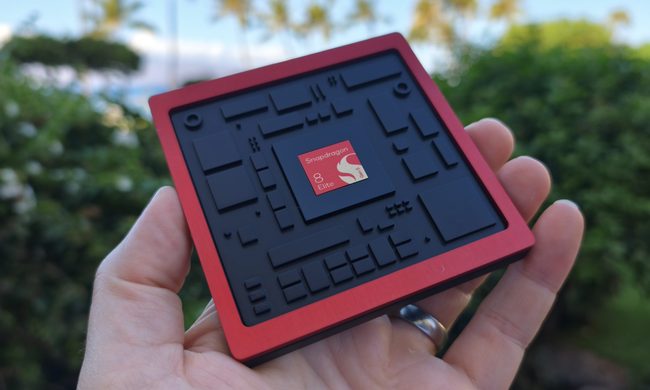
The new Qualcomm Snadragon 8 Elite Gen 5

If you were hoping your next Android phone might come with a friendlier price tag, you may want to temper your expectations. Qualcomm just confirmed it's raising chip prices starting September 1, and CEO Cristiano Amon didn't dress up the reason. "Cost went up, prices are going to go up," he told CNBC. Qualcomm chips power a huge share of the world's Android phones, so a hike at the source is likely to reach store shelves eventually.

Rising costs go beyond memory

Read more
Galaxy Z Fold 8 Ultra: Everything we know
Though it will feature improvements across the board, the memory crisis might not spare Samsung’s Fold 8 Ultra.
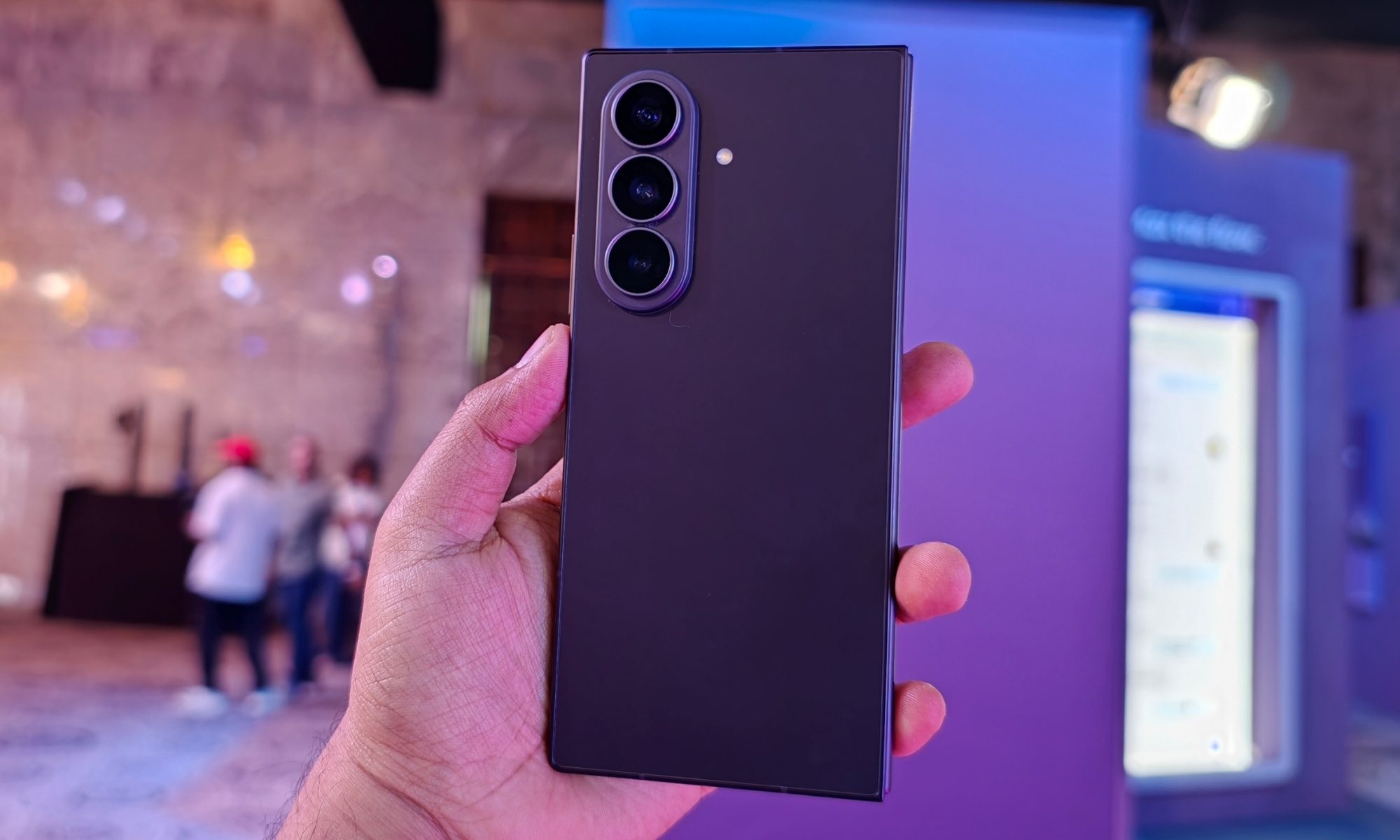
Samsung Galaxy Z Fold 8 Ultra

The Samsung Galaxy Z Fold 8 Ultra is not the phone that reimagines what a foldable looks like. That job belongs to its sibling, the wider-screen Galaxy Z Fold 8; the Ultra is the direct successor to the Galaxy Z Fold 7 instead. It carries forward the same tall, narrow design and the same book-style proportions, for the same audience.

If you've used a Samsung Galaxy Z Fold in the past and think that the shape is perfect for you, the Fold 8 Ultra is exactly the right phone for you. It has a sharper inner display, a substantially larger battery, faster charging, and Samsung's new Flex Titanium display structure, which is designed to minimize the crease that has troubled Samsung's foldables for years.

Read more