1. Home
  2. Emerging Tech
  3. News

In China, a deep brain stimulation implant is being used to treat addiction

Add as a preferred source on Google

Deep brain stimulation is a procedure in which a pacemaker-like “neurostimulator” is used to zap specific regions of the brain. While it’s not yet fully understood, early research indicates that it could be useful for treating a range of neurological disorders, including Parkinson’s, Alzheimer’s, and depression.

Now researchers in China have taken the next step by implanting a deep brain stimulation device into a person’s brain to treat their addiction to methamphetamine. The operation, which was carried out at Shanghai’s Ruijin Hospital, is among the first of its kind to have taken place for this purpose. Attempts are also being made to use it to combat opioid addiction.

Recommended Videos

According to the Associated Press, “[w]hile Western attempts to push forward with human trials of DBS for addiction have foundered, China is emerging as a hub for this research.” Part of the challenge involves struggles to recruit patients for DBS addiction studies in the West. In China, which has a long (and controversial) history of brain surgery for drug addiction, the government and medical device makers are much happier to pay for this research to be carried out.

Speaking to the AP, the patient described the procedure by saying that, “This machine is pretty magical. [The doctor] adjusts it to make you happy and you’re happy, to make you nervous and you’re nervous. It controls your happiness, anger, grief, and joy.” The article notes that the procedure was carried out in October, and the patient has not suffered a drug-related relapse since then.

This isn’t the first time we’ve covered experimental work for battling addiction. Recently, researchers from the University of Chicago used the CRISPR gene-editing platform to modify the DNA of skin cells in mice in order to make them resistant to cocaine addiction. However, this research has yet to be developed close to the point at which human trials may be on the table as a possibility.

Ultimately, scientific developments such as these are exciting because of what they suggest about future, life-enhancing possibilities. But there is a minefield of complex ethical issues involved. Until comprehensive studies can be carried out showing that this type of work is safe and beneficial, we hope that all involved will proceed with extreme caution. Because rushing ahead just to claim that you’re first is absolutely the wrong approach to medicine.

Luke Dormehl
I'm a UK-based tech writer covering Cool Tech at Digital Trends. I've also written for Fast Company, Wired, the Guardian…
Remember Samsung’s Ballie home robot? It may finally be inching closer to reality
Leaked app wireframes give the strongest hint yet that Samsung's Ballie home robot, first shown at CES 2020, might still be headed toward an actual release.
Samsung Ballie robot in a room next to a dog feeder.

Samsung's rolling home robot has been the industry's longest-running "will it ever actually ship" joke, and I'll admit I'd mostly given up on it. Now, there's finally a glimmer of hope.

Samsung first unveiled Ballie as a concept at CES 2020. Then, it showed it as a significantly upgraded version four years later. However, the company never confirmed a release date or committed to releasing it at all. 

Read more
Polar is yet another AI browser, but it goes beyond just automating the mundane web chores
Polar wants to turn your browser into an AI-powered productivity tool
Polar AI browser

The AI browser race is entering a new phase. After spending much of 2025 trying to reinvent web search with built-in chatbots, startups are increasingly shifting their attention toward browser agents that can automate repetitive work instead of simply answering questions. The latest company to embrace that transition is Polar, a startup founded by former Perplexity engineer Kevin Zhang, which has raised $5.7 million in seed funding led by Madrona.

Unlike the first generation of AI browsers that targeted everyday consumers, Polar is designed specifically for knowledge workers. Its premise is straightforward: instead of replacing Google Search, the browser aims to eliminate repetitive tasks that professionals perform across dozens of browser tabs every day.

Read more
I use ChatGPT Pro everyday, and these 3 features keep me subscribed
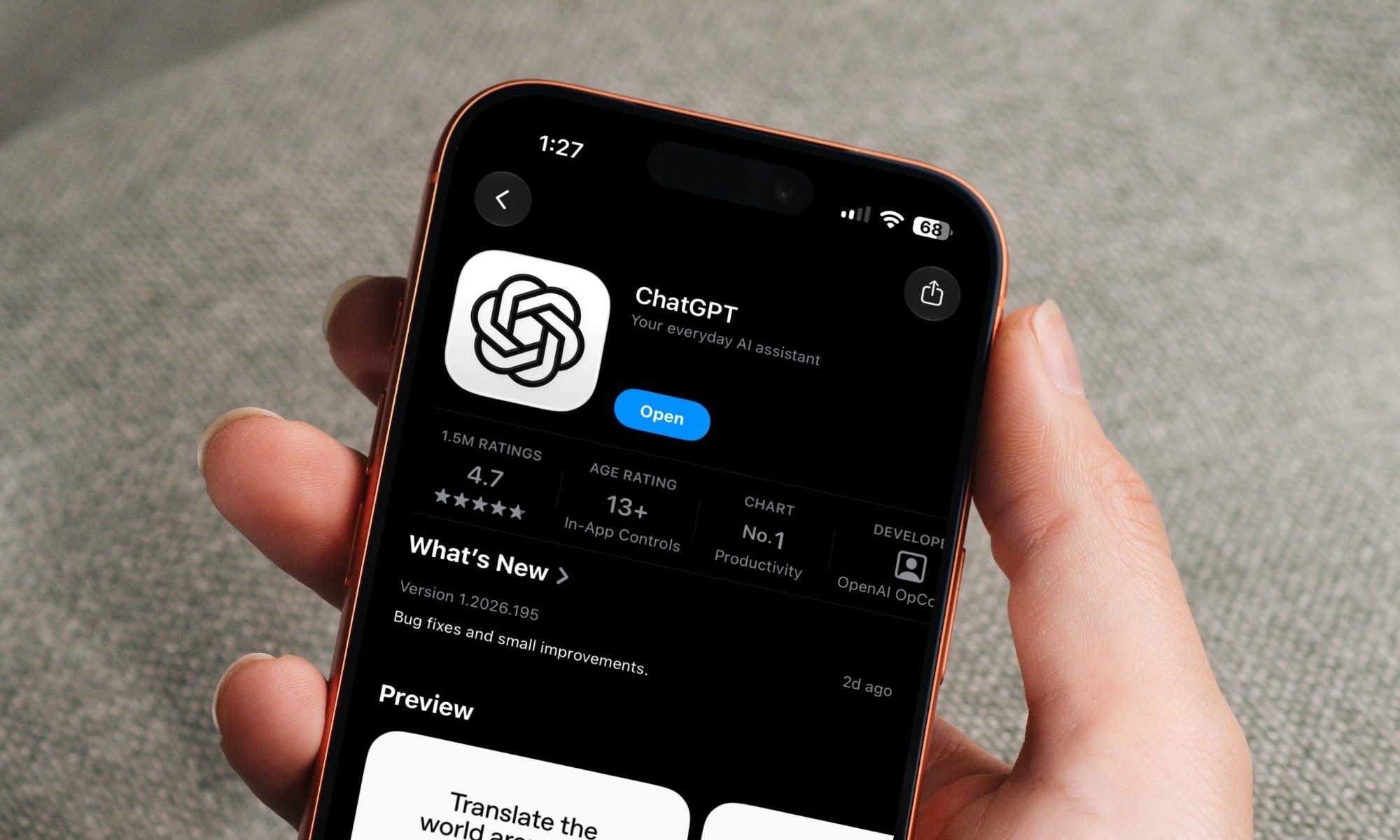
ChatGPT on iPhone

I've used ChatGPT for years, but for the longest time, I never felt the need to pay for it. Instead, I subscribed to Claude Pro because it fit my workflow better. Between regular chat and Cowork, it gave me everything I needed in one place, so paying for another AI subscription didn't make sense.

That changed when OpenAI introduced ChatGPT Work. I was curious enough to give ChatGPT Pro a proper shot, expecting to test one new feature and move on. Instead, I ended up using it far more than I expected. The more I relied on it in my day-to-day work, the more I realized it offered a few things I didn't want to give up. Those are the three features that have kept me happily subscribed ever since.

Read more