  1. Home
  2. Phones
  3. Audio / Video
  4. Cars
  5. Mobile
  6. News

Why you can’t buy Car Thing, Spotify’s first hardware device

Add as a preferred source on Google
Image used with permission by copyright holder

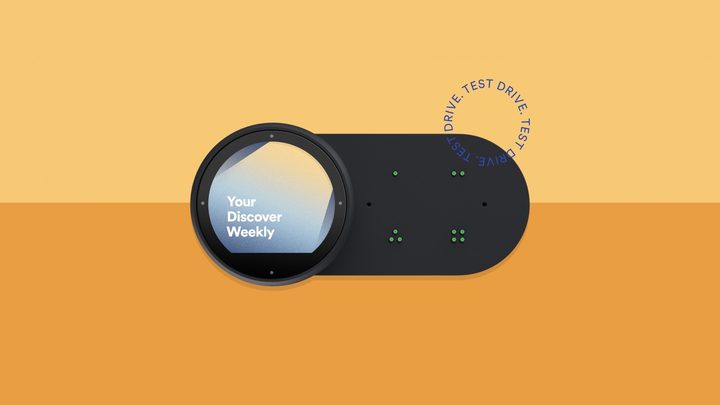
We’ve been following rumors for months now that all said that Spotify would soon launch some kind of in-car device. Turns out, those rumors were right. Well, sort of. In a frustrating development, it turns out that Spotify’s first device, which it is calling “Car Thing,” isn’t a consumer gadget in the traditional sense, and the company has no plans to sell it.

Instead, Car Thing is apparently Spotify’s in-car equivalent of the old Nielsen’s TV ratings boxes that used to track people’s TV watching habits. In a blog post about the device, the company says it is, “trying to learn more about people’s listening habits and preferences,” specifically while they’re in the car. So it will be distributing Car Thing to a limited number of its Premium subscribers and only in the U.S., to find out exactly what’s going on when listeners are on the road.

Recommended Videos

Car Thing is both voice-activated and judging from the company’s artfully colored render, will have a few buttons, too. It might not be a one-off either, as Spotify has coyly suggested that we might soon start to hear rumors of a “Home Thing,” which doesn’t require much guesswork to figure out what it’s designed to do.

Interestingly from an in-car point of view, Spotify specifically called out curiosity about people’s podcast habits, a revelation that shouldn’t surprise anyone who has been following the company’s activities as of late. With major acquisitions in the podcasting space and comments made during a recent quarterly earnings report by its CEO, Daniel Ek, Spotify has indicated in no uncertain terms that it sees podcasting as a very important part of its long-term strategy for growth as well as user retention. Other moves, like creating ad formats that let users interact with their voice instead of needing to use their phones, and a similar mechanism that lets podcast listeners leave voice feedback for creators, all point to a future in which voice, whether its the voice of its creators or listeners, will be central to Spotify’s products.

We reached out to Spotify’s PR team to see if there was anything more they were willing to share about Car Thing, but no dice. Apparently, they’ve said all they’re going to say — for now.

Will the Car Thing remain simply an internal measuring tool, destined never to sold at retail, or at least offered to a broader set of the company’s subscribers? Spotify claims it’s not focused on becoming a hardware company, but when it comes to technology, never say never.  We’ll have a better sense of its future once we get a chance to hear from the Premium users who have been invited to try it out. We’ll be sure to let you know when and if that happens.

Simon Cohen
Former Contributing Editor, A/V
Simon Cohen obsesses over the latest wireless headphones, earbuds, soundbars, and all manner of related devices and…
RISION’s new pocket-sized cameras turns your phone into a nitfty thermal imaging tool
This tiny $119 camera gives your phone Predator vision
RISION Magic Pro in action

If you've ever had to look for any sort of heat leaks or hot wires, chances are that you've probably used a dedicated handheld camera. But RISION has just launched a tiny new camera tool to make the job easier (and more pocketable). It reminds me of the InfiRay we checked out a while back.

RISION has introduced the Magic and Magic Pro, two compact thermal cameras that plug directly into supported USB-C phones, tablets, and Windows computers. Each module weighs 24 grams, draws power from the connected device, and requires no separate battery. Support covers compatible iPhones, Android devices, and Windows PCs.

Read more
Samsung may finally kill the foldable crease next year, and make the screen stronger while it’s at it
The Galaxy Z Fold 9 could attack the crease from inside the glass
The Galaxy Z Fold 4's screen crease.

Samsung has spent generations refining hinges, reinforcing display layers, and promising increasingly subtle creases. But soon, it might eliminate the crease by physically carving away part of the glass where the screen folds.

Samsung Display is developing a foldable OLED cover layer known as Center-Etched Thin Glass, or CTG, alongside its suppliers. The technology selectively etches the central folding section of the ultra-thin glass, leaving that area thinner than the rest of the panel. Industry sources believe it could appear in some Galaxy Z9 foldables as early as 2027. It is also known as Hybrid UTG, since a single glass layer would carry two different thicknesses.

Read more
DuckDuckGo’s new iPhone feature stops tracking IDs from hitching a ride in shared links
Copy Clean Link removes unnecessary URL parameters before you paste a page into a message, email, or post
The DuckDuckGo logo.

DuckDuckGo has added a small iPhone feature that can stop tracking identifiers from following links into your chats, emails and social posts.

The browser’s new Copy Clean Link option strips unnecessary parameters before placing an address on the clipboard. It arrived in a July iOS update and appears when users hold the address bar. The supplied report shows it working with pages from X, Reddit and YouTube.

Read more