1. Home
  2. Emerging Tech
  3. News

Swish! Toyota’s basketball bot earns a Guinness record with 2,020 perfect throws

Add as a preferred source on Google
CUE3: Japan's free throw robot! - Meet The Record Breakers Japan

First the robots came for our jobs. Now they’re after our sporting achievements, too!

Recommended Videos

At least, that’s our takeaway from the news that a humanoid robot built by Toyota (yes, the car company!) just picked up a Guinness World Record for its impressive basketball shooting abilities. The robot, known as CUE, won its record by sinking 2,020 free throws in a row without ever missing a shot. The number was selected to commemorate the upcoming 2020 Olympic Games which will be held in Tokyo.

The CUE project dates back to 2017, when Toyota engineers began developing it in their downtime. The first robot was finished in March 2018. The inspiration came from a popular Japanese manga and anime basketball series called Slam Dunk. In the series, the main character practices shooting 20,000 times to up his skill levels. Similarly, the robot’s A.I. algorithms were honed using plenty of trial and error.

Today, what started as a fun side project has spawned multiple iterations of basketball-shooting robots (the record-winner is CUE3). It carries out its picture-perfect throws from the center circle by first computing a 3D image of the basket and its relative distance using vision and radar, and then utilizing some smart algorithms to work out how to transform this data into instructions for its arm, knee and torso motors and sensors. This allows it to calculate the perfect angle and propulsion for each throw. Depending on its distance from the basket, CUE3 can dynamically adjust its throw.

“It started as a sort of company’s club activity,” said Tomohiro Nomi, project leader for the robot project, in a video appearing on the official Guinness World Record YouTube channel. “Times are changing, the automobile industry is changing. So, CUE’s name came from the idea of prompting change — the cue for something new.”

As impressive as CUE undoubtedly is, however, it won’t be able to challenge human players in a full game of basketball just yet. That’s because it is only capable of carrying out free throws and is unable to move autonomously (or, really, at all) or carry out the other necessary skills to ball. But don’t count that out. While focused on a different sport, the Japanese developers behind the RoboCup soccer challenge have stated their ambition to build a team of autonomous robot players good enough to beat a team of professional human players by 2050.

Such a goal may seem impossible with today’s technology — but, then again, so did the idea of a perfect basketball-shooting bot just a few short years ago!

Luke Dormehl
I'm a UK-based tech writer covering Cool Tech at Digital Trends. I've also written for Fast Company, Wired, the Guardian…
Claude can now join your Slack channels and work alongside your team
Laptop running Claude Fable

For years, AI assistants have been siloed. You open ChatGPT, Claude, Gemini, or Copilot, type a prompt, get an answer, and move on. Anthropic's new Claude Tag feature takes a different approach. Instead of making employees jump into a separate AI chat every time they need help, it brings Claude directly to where many teams already spend their day: Slack.

Add Claude to a channel, grant it access to needed tools, and tag @Claude for help — whether analyzing data, writing reports, reviewing code, or investigating incidents. But Claude Tag isn't just another chatbot integration. Its key differentiator is that Anthropic positions it as a digital coworker for your team, enabling seamless collaboration where multiple users can jointly interact with the same AI within their work environment.

Read more
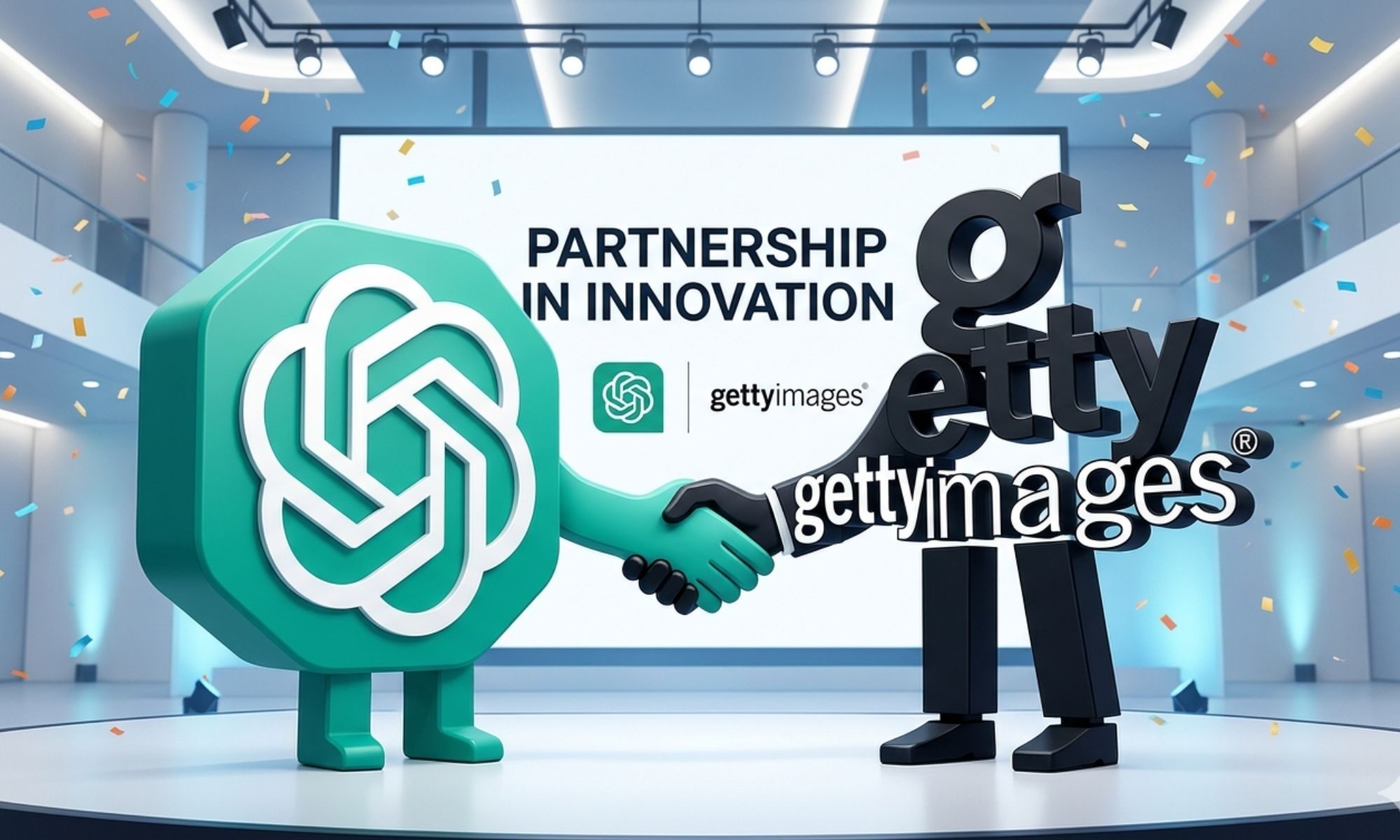
Getty Images accused AI of wholesale theft. It’s now an official ChatGPT image partner.
Advertisement, Shop, Clothing

The AI industry's most fascinating stories often come from unlikely alliances, and this is certainly one of them. Getty Images, a company that has spent years raising concerns about how AI models are trained and how creative work is used, is now officially partnering with OpenAI.

The new agreement will allow Getty Images' licensed content to appear across ChatGPT's search and discovery experiences. That means users may begin seeing Getty's professionally licensed photos and visual assets integrated into ChatGPT responses, adding more visual context to searches and AI-generated answers. Getty says the goal is to make AI-powered search more useful and trustworthy by relying on high-quality, licensed content rather than the murky sourcing practices that have sparked countless debates across the AI industry.

Read more
Timekettle’s new X1 Meeting Hub does real-time translation for 50 people and fits in your pocket
Fifty participants, five languages, one 199-gram hub, and no booth required.
Electronics, Screen, Computer Hardware

Professional conference interpretation setups are notoriously painful. Dedicated booths, trained interpreters, bulky hardware, and a bill at the end of every month that makes you rethink whether the meeting was even required in the first place. 

Timekettle wants to collapse all of that into a single hub that weighs 199 grams (less than modern flagship smartphones). The company just launched the X1 Meeting Interpreter Hub. 

Read more