In its recent update to the MacBook Pro line, Apple has made some notable improvements to the 13- and 15-inch variants with the Touch Bar, leaving the less expensive variants without the Touch Bar untouched since 2017. However, that situation may change soon, and thanks to a recent filing with the United States Federal Communications Commission, we may see some of the recent updates Apple made on its more expensive Pro notebooks trickle down to the Touch Bar-less versions.
Apple initially filed its documents for a device with model number A2159 with the regulatory agency back in February 2019, according to MacRumors, but the documents have since been pulled from the FCC’s website. According to the paperwork, the device has a 13-inch display with dimensions matching what is shipping on today’s 13-inch MacBook Pro sans Touch Bar, suggesting that little will change to the notebook’s exterior case. This means that most of Apple’s efforts will be focused on the overall usability of the laptop rather than its design. Here are some potential areas that Apple could improve with the new 13-inch MacBook Pro without Touch Bar in 2019:
Improved keyboard
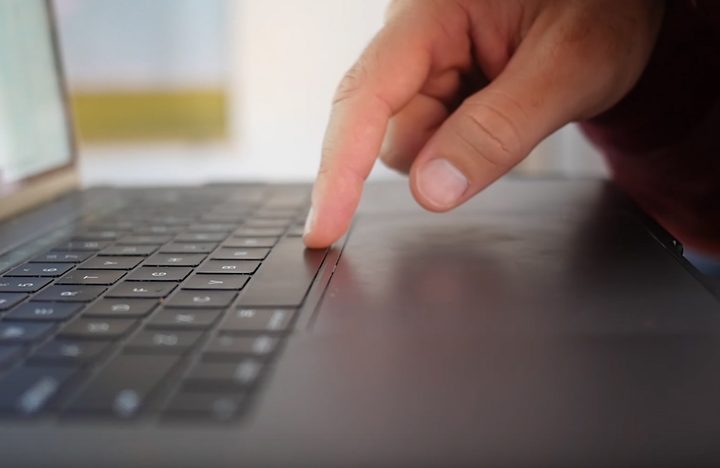
When Apple initially launched the MacBook, it heavily promoted its entirely re-designed keyboard mechanism as part of an effort in slimming down the overall thickness of the design. Since the MacBook launched, that keyboard has been adopted across Apple’s notebook range, and it is now seen on the MacBook Air as well as the MacBook Pro. The new butterfly switch mechanism keys were prone to failure. Dust and debris that get trapped underneath the key caps can render the keyboard inoperable. People complained that the keys can either be unresponsive or get sticky, and repairs were often expensive. This prompted Apple to extend its keyboard warranty program.
Over time, Apple has experimented further with the underlying key mechanisms, and it introduced a protective membrane layer that helped keep debris away from the delicate butterfly key switches with its third-generation keyboard design. Confusingly, when Apple introduced its refreshed MacBook Pro with Touch Bar earlier in 2019, it updated some of the materials used in the switch mechanism but kept the third-generation keyboard label intact. The change in materials should help improve the durability of the keyboard design and prevent key failure in the event dust gets trapped underneath the key caps. Hopefully, the changes introduced on Apple’s improved third-generation key switch design will make its way to the new Touch Bar-less MacBook Pro when it launches later this year.
New Intel processors
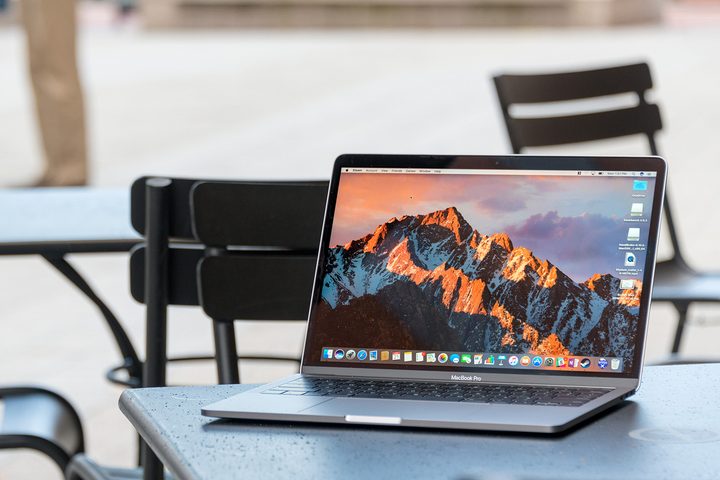
Without having received any upgrades since 2017, Apple’s MacBook Pro without Touch Bar is starting to feel stale against more capable competitors, and an updated processor will go a long way in keeping the most inexpensive member of Apple’s Pro notebook family appealing to users. After all, not everyone needs or prefers a Touch Bar, and choosing a MacBook Pro without one shouldn’t mean you have to compromise on performance to hit the right wallet-friendly price.
Current models without a Touch Bar start at $1,299, and at that price you’re getting a 7th-generation 2.3GHz dual-core Core i5 processor. For comparison, the more advanced 13-inch model with Touch Bar starts at $1,799 and ships with an 8th-generation 2.4GHz quad-core Core i5 processor, making it a more capable multitasking machine. And though it’s in a different class, even Apple’s MacBook Air, which starts at $1,199, benefits from an 8th-generation Y-series Intel processor.
Apple’s more expensive configurations of the 15-inch MacBook Pro even ship with 9th-generation Intel chipsets, which the company claims to deliver twice the performance of prior models in some tests with eight cores of processing power. And with Intel having announced 10th-generation Ice Lake processors that will be landing on PC notebooks soon, the 7th-generation processor is starting to feel dated. Even though Apple likes to say that it doesn’t compete on specs to hit the performance levels that its users demand, upgrading to at least an 8th-gen processor (or perhaps a 10th-gen chip!) will make the entry-level 13-inch MacBook Pro look more competitive on paper against competing Windows notebooks and other laptops in Apple’s MacBook range.
Touch ID

When it first arrived on Apple’s notebooks, Touch ID was an integrated part of the Touch Bar experience, but Apple brought this biometric security feature down to the $1,199 MacBook Air, a laptop that doesn’t even come with an option to add a Touch Bar. Like on the MacBook Air, Touch ID can be integrated into the power button of a redesigned MacBook Pro without Touch Bar and will go a long way in helping Apple accomplish its goal of making the computing experience more secure for more users.
Touch ID would essentially help eliminate the need for users to remember passwords, and it would not only allow you to log into your Mac, but also to Apple services, like the Mac App Store to authenticate purchases. Additionally, you can lock documents, notes, and other system settings and access them without having to input — or remember — a password. Even if you don’t password-protect your files, Touch ID can be beneficial if you’re an online shopper. Touch ID not only makes it more secure to pay for goods online, but you won’t even need to enter your personal shipping or billing information on websites that support Apple Pay.
And as Apple continues working with developers to help bring iOS apps to the Mac, Touch ID can help keep some of those apps safe for owners of the MacBook Pro without Touch Bar in the future.