  1. Home
  2. Emerging Tech
  3. News

Japanese probe prepares to return sample of asteroid to Earth

Add as a preferred source on Google

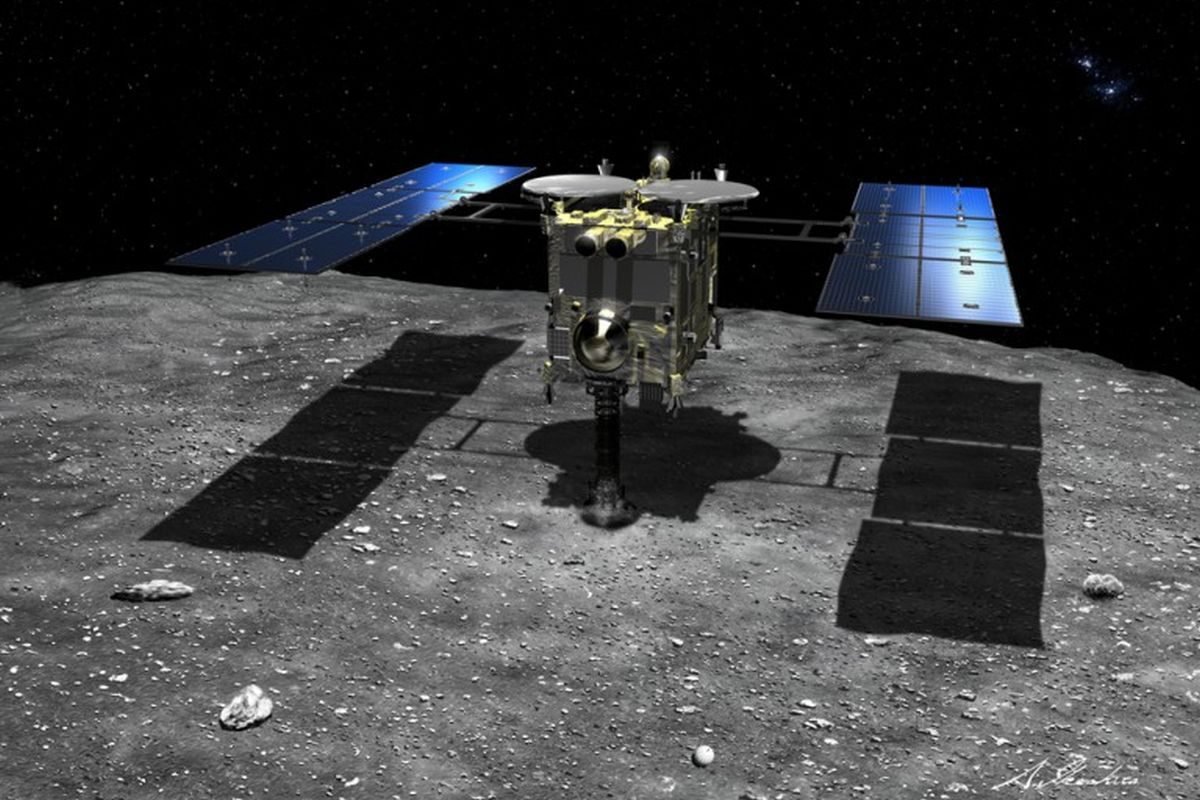
JAXA Hayabusa 2 Ryugu landing artists conception JAXA

Japan’s Hayabusa 2 probe recently touched down on asteroid Ryugu and collected a sample from this rock orbiting between Earth and Mars. Now, the Japanese Space Agency, JAXA, has revealed its future plans for the craft, including deploying another lander onto the asteroid and a procedure for returning the collected sample to Earth.

Recommended Videos

The next challenge for Hayabusa 2 is the planned deployment of the MINERA-II2 lander. Two previous landers, called MINERA-II, were already deployed onto Ryugu’s surface to capture close-up images of the asteroid. A practice run for deploying a third rover to join these previous two will happen on September 5, ahead of the real launch.

With that done, the craft will return to Earth and eject a capsule which will re-enter Earth’s atmosphere. The craft itself will remain in space, possibly to be reused for a future mission.

The last stage of the mission is for JAXA scientists to collect the capsule once it lands on Earth. The capsule is projected to land in the Australian outback in the Woomera Prohibited Area, a region used for military testing which is not accessible to the public. Therefore, the space agency is in talks with the Australian government to arrange collection. JAXA has already run a field survey of the planned recovery site, with permission from the government, and found that the site is suitable for recovery. Hopefully this means there won’t be any legal problems in collecting the capsule and its precious cargo.

Image of the recovery candidate site (photographed in December 2018) JAXA

In order to locate and collect the capsule, a search station will be set up near to the projected landing location. The station will be equipped with an antenna which can detect the descending beacon of the capsule and locate it through triangulation. In addition to the antenna, visual infrared cameras will search for the capsule too.

If something goes wrong with the capsule landing and the parachute fails to open, there is a backup plan. The light streak caused by the re-entry of the capsule will be track to estimate the landing point, and JAXA is considering using marine radar to search as well.

Hayabusa2 is projected to return to Earth at the end of next year, so JAXA has until then to finalize its collection plans.


Georgina Torbet
Georgina has been the space writer at Digital Trends space writer for six years, covering human space exploration, planetary…
Yet another study says AI is bad for elections, and the rabbit hole gets worse
AI may be an election bomb waiting for someone to light the fuse
Voters cast their ballots on Election Day

Another election, another study has concluded that asking an AI chatbot for political guidance is a spectacularly bad idea. Research conducted during Hungary’s 2026 parliamentary election found that ChatGPT and Google Gemini offered not just inaccurate but also inconsistent and unreliable voting advice. The chatbots misclassified voter profiles, overlooked relevant parties, recommended parties absent from the ballot, and sometimes produced materially different answers when given the same information repeatedly.

AI keeps failing the voter test

Read more
Samsung’s humanoid robot ambitions are real, but factories come first
Samsung’s new robotics division has humanoids in its sights, although its immediate business is far more practical factory automation
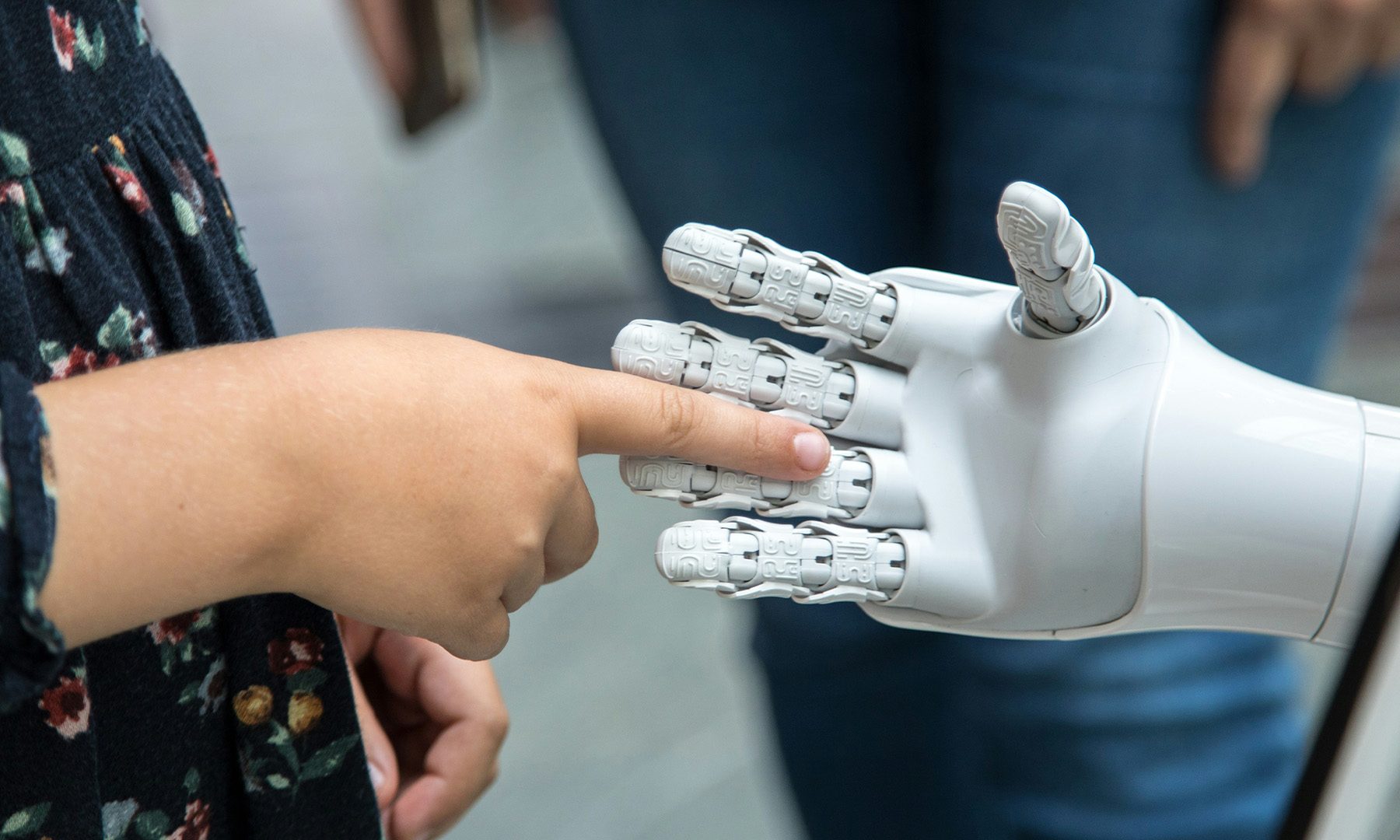
Robot Touch Human Finger

Samsung wants a place in the humanoid race, but its new robotics push begins with machines built for factories rather than homes.

The CEO-led RX robotics division will initially focus on manufacturing robots. Samsung has separately identified humanoids as a priority, although it hasn’t announced a commercial model or explained where one fits into the division’s immediate plans.

Read more
The future of AI may depend on this one behind-the-scenes change
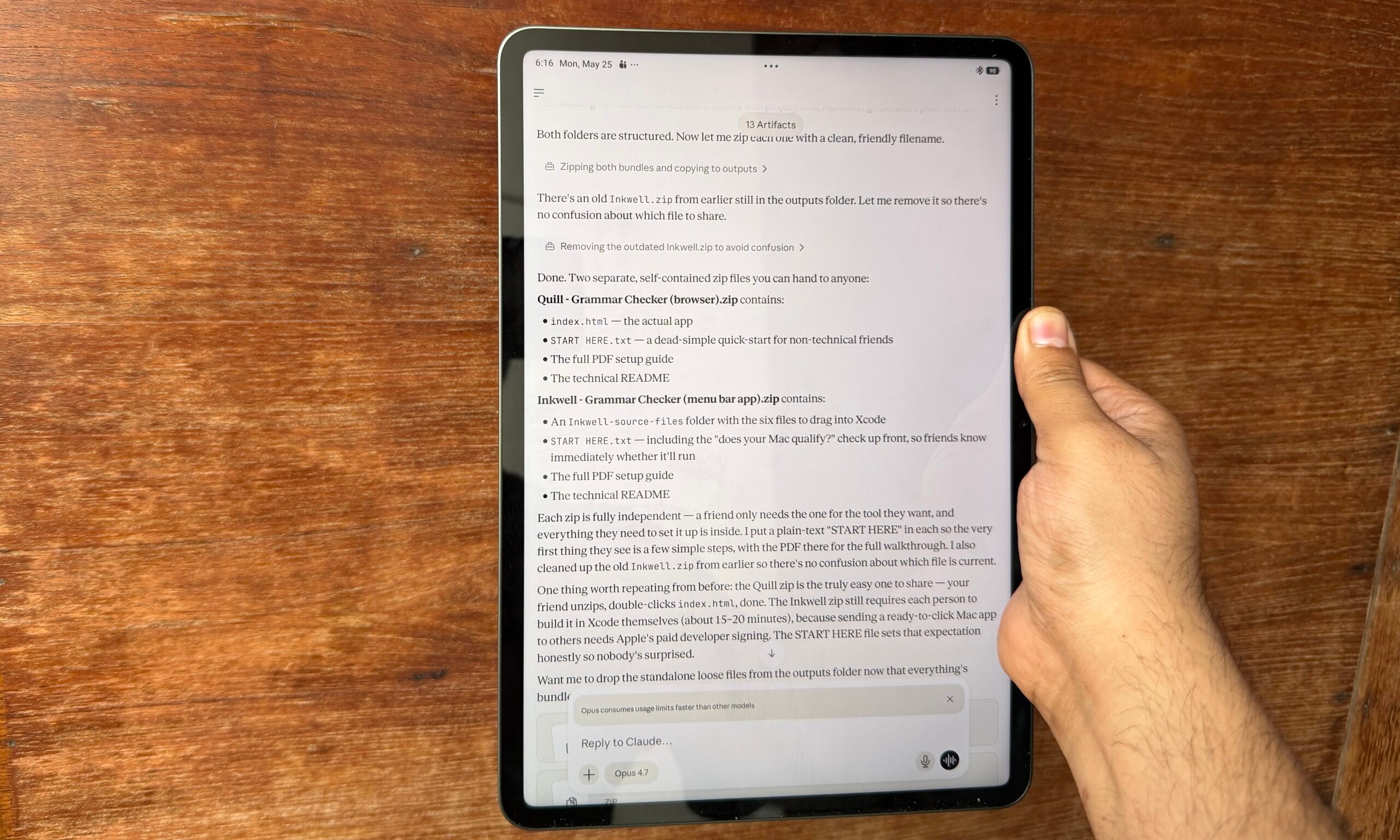
Running Claude on Android.

Whenever a new AI model arrives, it's easy to get caught up in the bells and whistles. We talk about how much smarter it is, how quickly it answers questions, or how realistic its images have become. But here's the thing: none of that matters much if the AI can't reliably work with the apps and services people use every day.

That's why an upcoming update to the Model Context Protocol (MCP) caught my attention. It isn't a new chatbot or a fancy AI model. In fact, most people will never even know it's happening. But it could quietly make the AI ecosystem a lot healthier. If you've never heard of MCP before, don't worry. Think of it as a shared language that lets AI assistants safely talk to apps like Gmail, Slack, calendars, databases, and countless other services. Instead of every company inventing its own way to make those connections, MCP gives everyone a common rulebook.

Read more