Over 1,500 people have signed a petition for Microsoft to make a Surface Duo that runs Windows, not Android.
That probably won’t pressure the company to make such a device. But the petition has a point.
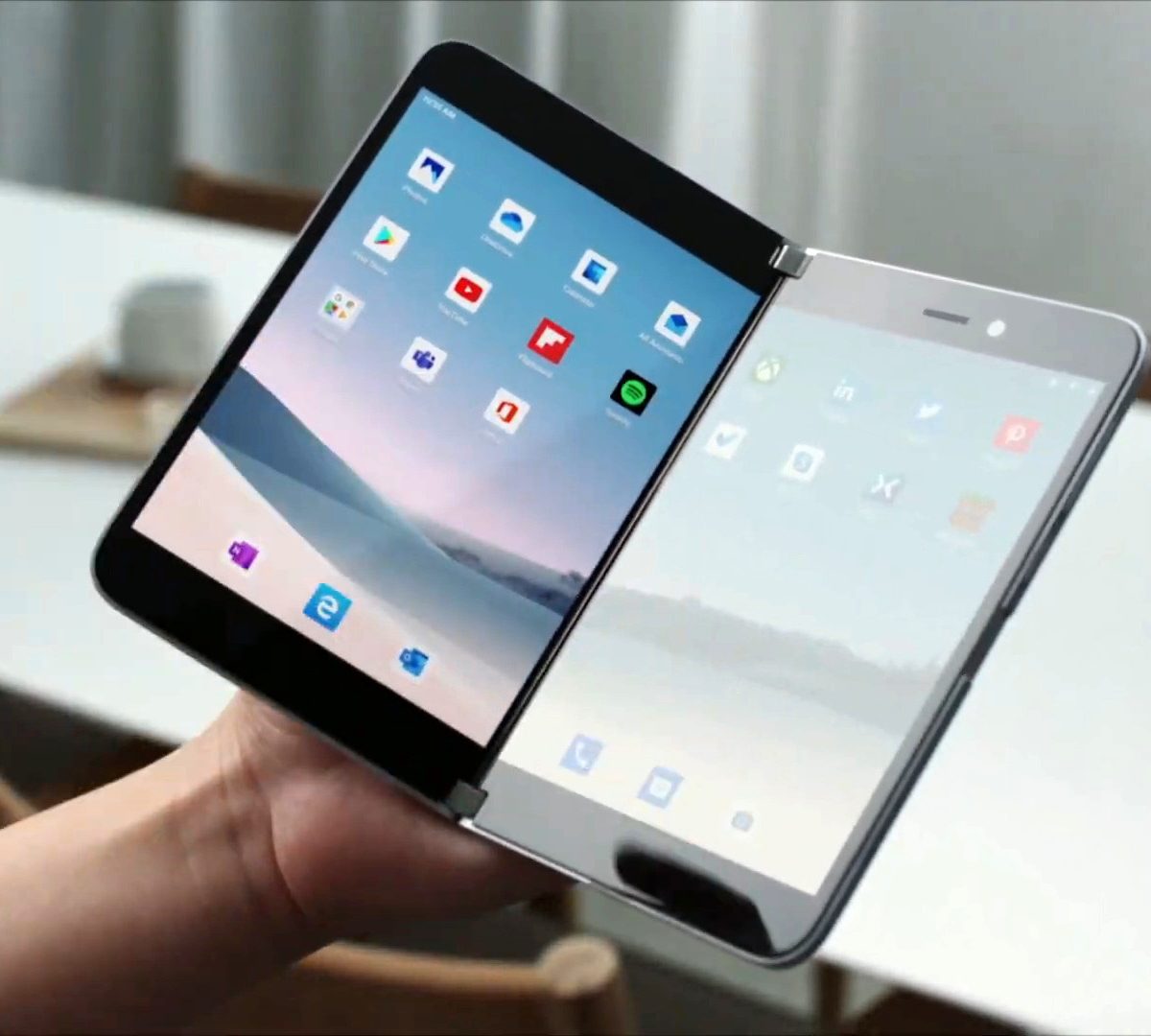
Why doesn’t Microsoft’s long-awaited return to smartphones run its own software? It’s especially strange given that Microsoft debuted capable dual-screen software on the Surface Neo at the same press conference. Is Android really a better option than Windows 10X?
It’s no Surface Phone

The announcement of the Surface Duo was one of the more surprising and exciting moments in tech this year. But when Microsoft revealed it will be an Android device, I was confused. Android? That’s what we’ve waited years for? An LG G8X with a Windows logo on the front?
The move is being celebrated by Windows fans with painful memories of Windows Phone and Windows RT. Microsoft has made serious mistakes in the past, shoving its own operating systems onto devices that couldn’t handle it.
But who’s interested in another Android phone in 2019? The first dual-screen Android devices, like the Samsung Galaxy Fold, already exist. Will the trend still feel new by the time Microsoft gets around to releasing the Surface Duo?
I’m far more interested in is Windows 10X, and specifically, Windows Core OS. It’s the first completely modular operating system, designed to work with any device, no matter how strange. As the petitioners have said, it seems like the perfect fit for the Surface Duo. Using it would give the Duo a unique feature that no other company can replicate.
Has Core OS already failed?
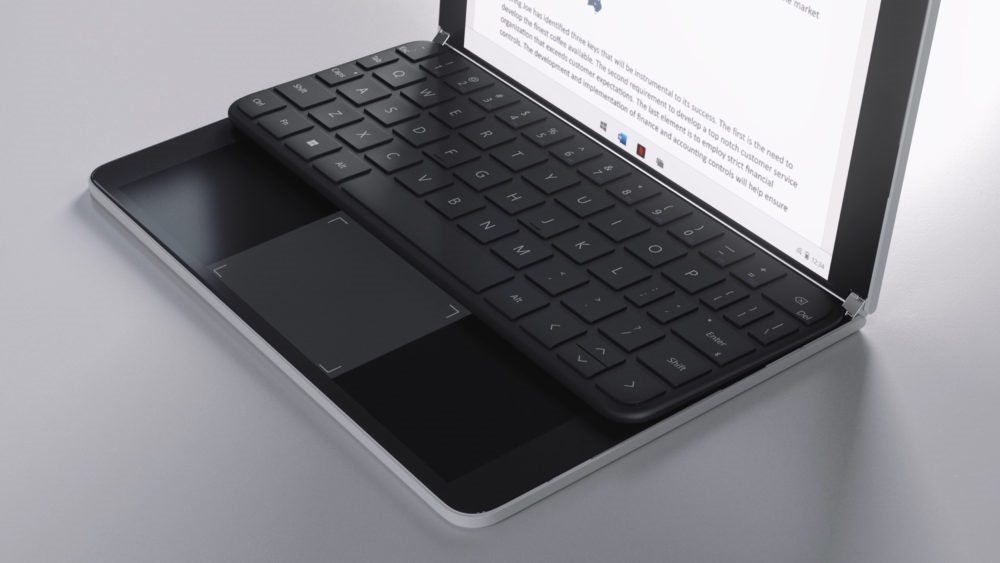
I’m waiting to spend more time with Windows 10X and the Surface Neo, but its unique design looks impressive from what I’ve seen. It’s a flexible device, one that adapts to your circumstances without compromise. In theory, at least, it beautifully handles a wide range of applications and multiple usage modes.
That’s what Core OS technology was built to allow. It’s the reason Windows 10 can run on devices as diverse as the HoloLens headset and Surface Hub 2. Scaling it down for a smartphone shouldn’t be a problem. Microsoft has stated that Win32 apps will run in a container in Windows 10X. When asked, the company told us there’s no reason Android apps couldn’t function in the same way. That’s the app problem handled, check and check.
So, if the stumbling block isn’t apps or software, why can’t the Duo run Windows like its big brother, the Neo? There’s only one explanation.
Microsoft doesn’t have the guts.
Windows, Surface, and Microsoft lives in the shadow of one of the largest blunders in the company’s history. Microsoft CEO Satya Nadella and Chief Product Officer Panos Panay have worked to undo the damage done by Windows 8, Windows RT, and Windows Phone. They’re no doubt leery about reversing that goodwill with an overly ambitious device.
But Microsoft is a different company in 2019 than in 2016. It has a rich portfolio of hardware, a positive brand in the Surface, and a ton of cash in the bank. Now is the time to unveil a new vision for its products and services.
There’s no room for another Android phone, but there is definitely room for something new. Not a third option to the duopoly like Windows Phone was, but an alternative to smartphones as a whole. A proper 2-in-1 that could bridge a gap in the same way the Surface Pro does today. Microsoft may have found a clever way to do that using Android, but even if they’ll do, I’ll always wonder what could have been.
Based on Microsoft’s lack of confidence in its own software, I’m resigned to believe them. Maybe what it’s cooked up in Windows 10X and Core OS isn’t so revolutionary after all.