1. Home
  2. Emerging Tech
  3. News

California is cracking down on deepfakes for politics and porn

Add as a preferred source on Google

California is cracking down on deepfakes in both porn and politics. California Governor Gavin Newsom recently signed two bills: One (AB 730) which makes it illegal to create or distribute altered video, audio or still photography of candidates, and the other (AB 602) which lets California residents take legal action against people who create pornographic material non-consensually using their likeness.

A combination of “deep learning” and “fake,” deepfake technology lets anyone create altered materials in which photographic elements are convincingly superimposed onto other pictures. There is also a growing number of attempts to use related technologies to create fake audio that sounds as if it was spoken by a real person, such as a politician or celebrity. Although all of these tools can be used for innocent purposes (for instance, placing Sylvester Stallone’s face onto Arnold Schwarzenegger’s body in Terminator 2), people have rightly expressed concern about the way this technology can be used maliciously. The uses covered by the two California bills could do everything from damage reputations to, in the case of politically oriented deepfakes, potentially sway elections.

Recommended Videos

“In the context of elections, the ability to attribute speech or conduct to a candidate that is false — that never happened — makes deepfake technology a powerful and dangerous new tool in the arsenal of those who want to wage misinformation campaigns to confuse voters,” California assemblyman Marc Berman said in a statement. Berman authored the political deepfake bill AB 730.

The political bill covers only deepfakes which are distributed 60 days before an election. It also does not cover deepfakes which are obvious satire, since these are covered by free speech laws. Last month, Texas made waves as the first state to sign a law that makes it a misdemeanor to create and share distorted videos of politicians one month before elections.

Pornography is another big problem when it comes to deepfakes. A study by cybersecurity firm Deeptrace claims that 96% of 14,678 deepfake videos it identified online were pornographic. All of these used the likenesses of women, such as actresses and musicians.

Unfortunately, simply signing this into law isn’t going to guarantee the end of deepfakes created by bad actors. For that, a combination of enforcement of laws and more sophisticated tools for spotting deepfakes will be needed. But this is a first step that will hopefully help avoid an incredibly damaging use of sophisticated A.I. technology.

Luke Dormehl
I'm a UK-based tech writer covering Cool Tech at Digital Trends. I've also written for Fast Company, Wired, the Guardian…
Yet another study says AI is bad for elections, and the rabbit hole gets worse
AI may be an election bomb waiting for someone to light the fuse
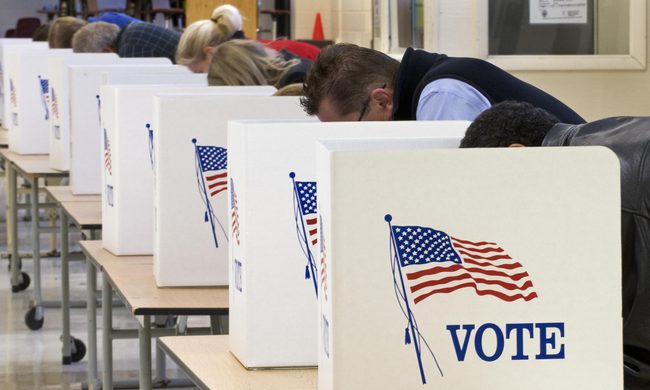
Voters cast their ballots on Election Day

Another election, another study has concluded that asking an AI chatbot for political guidance is a spectacularly bad idea. Research conducted during Hungary’s 2026 parliamentary election found that ChatGPT and Google Gemini offered not just inaccurate but also inconsistent and unreliable voting advice. The chatbots misclassified voter profiles, overlooked relevant parties, recommended parties absent from the ballot, and sometimes produced materially different answers when given the same information repeatedly.

AI keeps failing the voter test

Read more
Samsung’s humanoid robot ambitions are real, but factories come first
Samsung’s new robotics division has humanoids in its sights, although its immediate business is far more practical factory automation
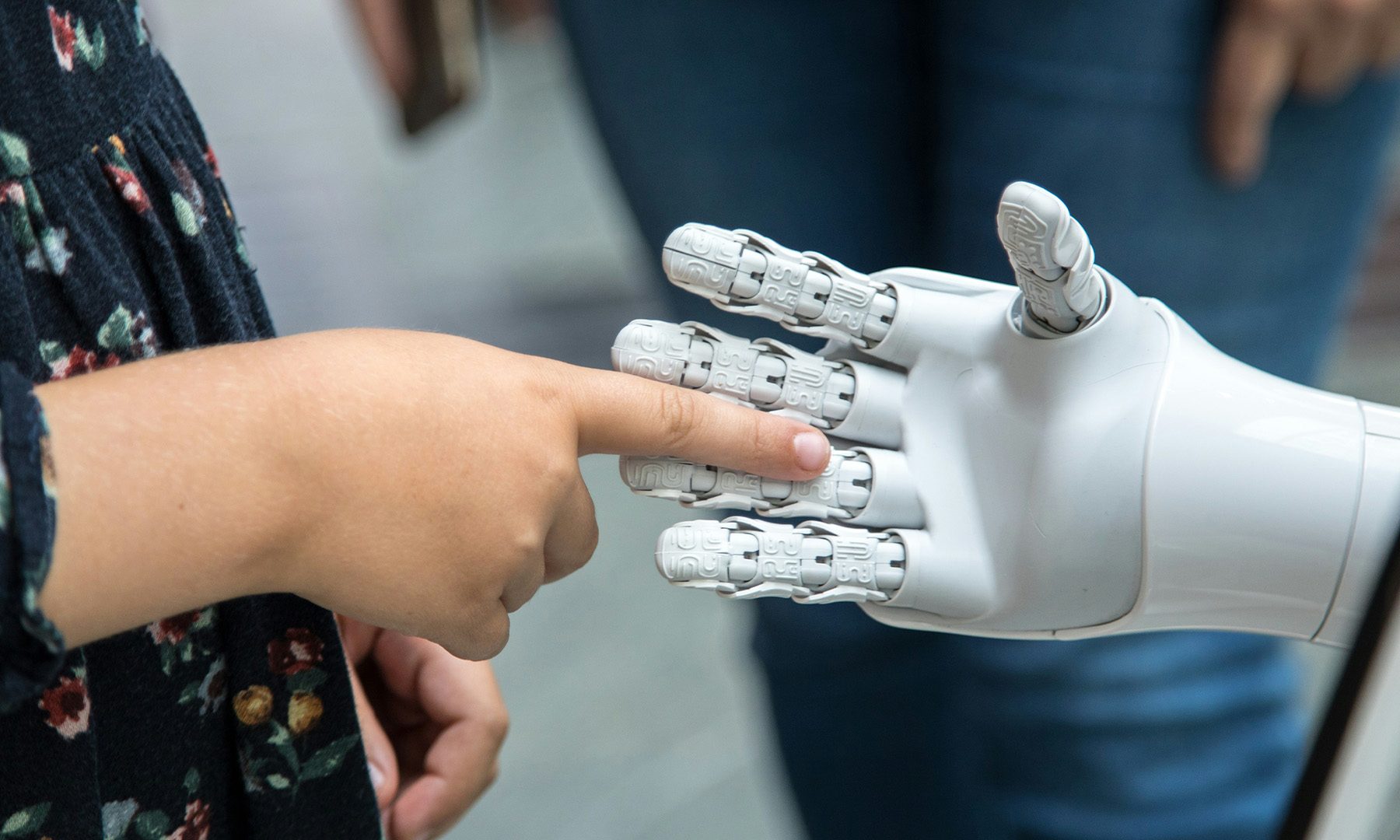
Robot Touch Human Finger

Samsung wants a place in the humanoid race, but its new robotics push begins with machines built for factories rather than homes.

The CEO-led RX robotics division will initially focus on manufacturing robots. Samsung has separately identified humanoids as a priority, although it hasn’t announced a commercial model or explained where one fits into the division’s immediate plans.

Read more
The future of AI may depend on this one behind-the-scenes change
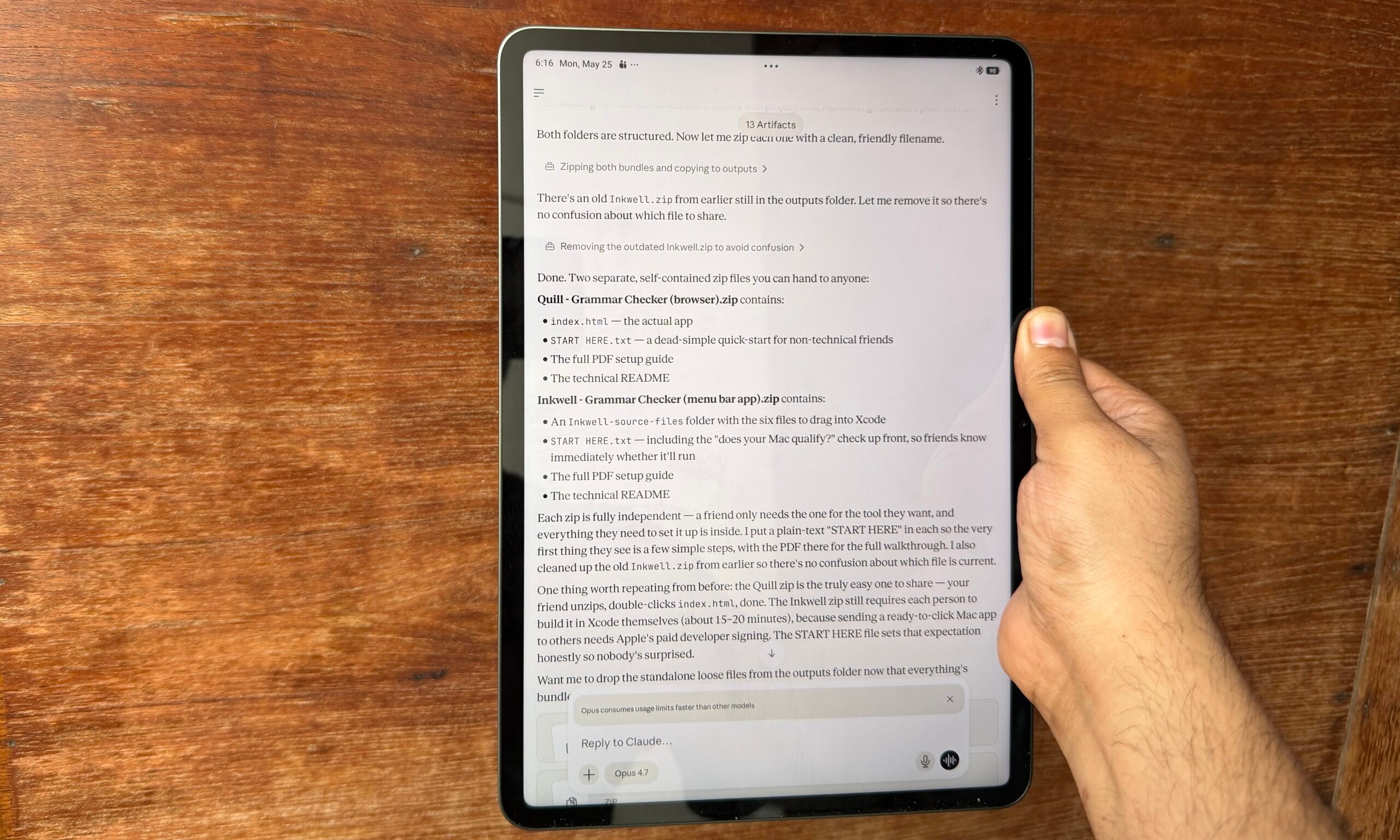
Running Claude on Android.

Whenever a new AI model arrives, it's easy to get caught up in the bells and whistles. We talk about how much smarter it is, how quickly it answers questions, or how realistic its images have become. But here's the thing: none of that matters much if the AI can't reliably work with the apps and services people use every day.

That's why an upcoming update to the Model Context Protocol (MCP) caught my attention. It isn't a new chatbot or a fancy AI model. In fact, most people will never even know it's happening. But it could quietly make the AI ecosystem a lot healthier. If you've never heard of MCP before, don't worry. Think of it as a shared language that lets AI assistants safely talk to apps like Gmail, Slack, calendars, databases, and countless other services. Instead of every company inventing its own way to make those connections, MCP gives everyone a common rulebook.

Read more