Do you shop for horsepower or torque? Different factors matter when buying a car, depending on the buyer’s needs, preferences, and budget. Some shoppers look for maximum seating room and the highest number of cupholders while others want as much carrying and towing capacity as they can get. Many truck and car buyers care most about style, and an increasing number seek high fuel economy.
Buyers who open the hood (or peek into the rear engine compartment) in dealership showrooms are more likely than most people to care about horsepower, torque, and in many cases, both. But why?
An engine’s output is measured in horsepower and torque, but most people understand horsepower only vaguely and torque not at all. If you’ve ever walked into a car or truck dealership and said, “Which one has the most torque?” this article isn’t for you. If, however, you’re not sure about engine torque but wonder why it matters, we’ve got you covered.
Here’s a (hopefully) simple explanation: Torque is turning power. It determines how hard your engine can “pull” or turn the gears that make the wheels turn. Engines with more torque at lower RPM are able to generate more pulling power with less revving of the engine. An engine with high horsepower and high torque can help a vehicle accelerate quickly, but only if transmission gearing is set up to do so. A great example is the difference between a road-going sports car and a farm tractor. They may both have 500hp and 500 lb.-ft. of torque, but the sports car is geared for acceleration while the tractor is geared to use that 500 lb.-ft. of torque at very slow speeds for hard pulling.
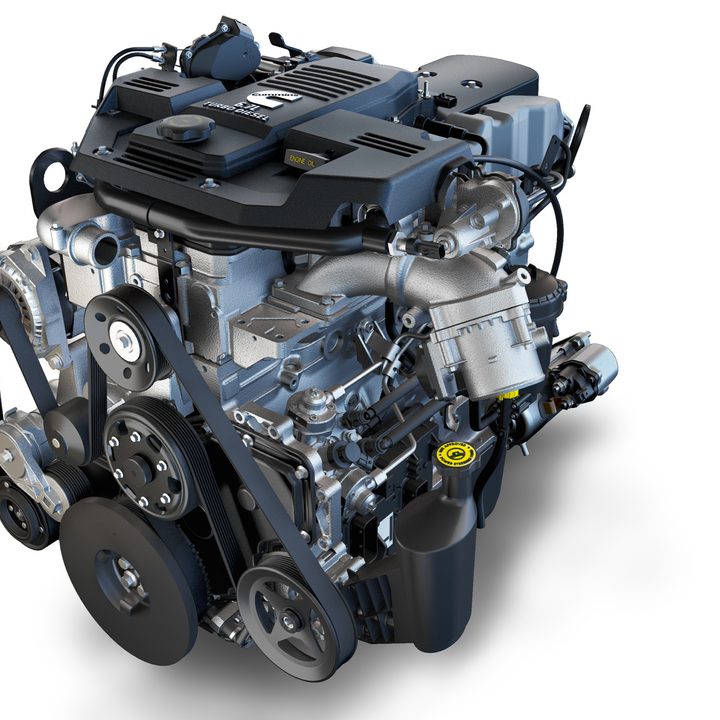
There are significant differences between a gas and a diesel engine, but motorists with heavy things to tow or haul generally choose the latter for its ability to produce higher torque at lower engine speeds. The diesel engine’s greater travel range per gallon (or liter) of fuel compared to a gasoline engine stems from the amount of force each technology produces using the same amount of fuel.
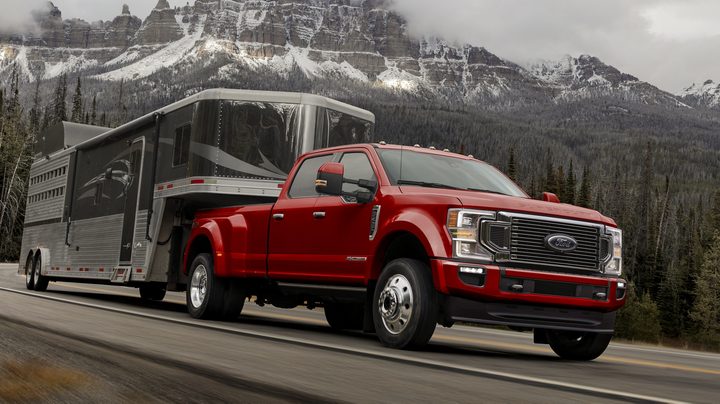
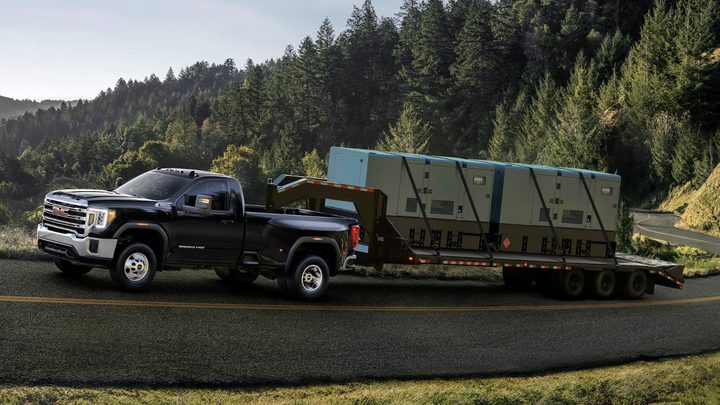
This why diesel trucks are great for towing heavy loads. Diesel engines make the most torque at the lowest RPM level, making them ideal for getting the load moving from a standstill and then pulling it for distance. The truck may have what sounds like a decent amount of horsepower as well, but it’s the truck’s measure of torque that allows it to get the load going and continue pulling it, even up hills. The trucks’ gearing also assists in this regard. The first few gears, say one through three, are set up for heavy pulling, which means the truck will generate a significant amount of force but won’t be going very fast. That’s one reason why you hear semi-trucks shifting through gears furiously when pulling away from a red light.
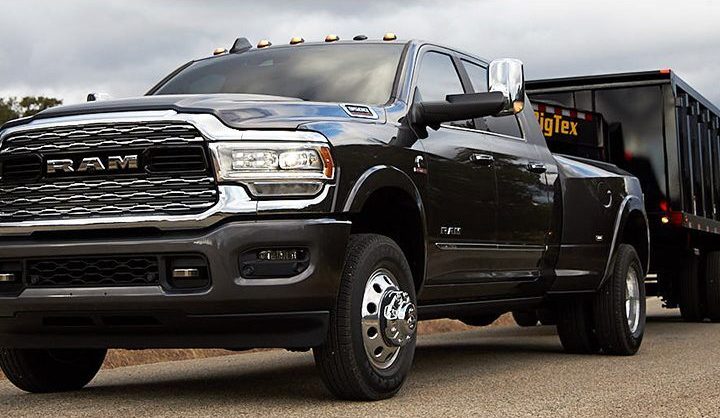
Of course, having way more torque than horsepower is only a good thing if there’s enough horsepower to get the job done. A truck with 1,000 lb.-ft. of torque and only 100 horsepower (exaggerated for effect) may be able to pull a massive trailer, but can only travel at mind-numbingly slow speeds. On the other side of that coin, a car with 600 horsepower and only 200 lb.-ft. of torque (again, exaggerated) can travel at blistering speeds, but will take a very long time to reach them.
What about EVs?
Electric motors bring a new calculus to the consideration of horsepower and torque. EVs produce their maximum torque from a standing start and they continue delivering it until they reach their top speed. Because they lead with torque, electric vehicles are very quick off the line. That sounds great, and it explains why many electric cars post jaw-dropping acceleration figures, but remember that EVs are more susceptible to factors like weather, weight, and load than cars powered by an internal combustion engines are.