
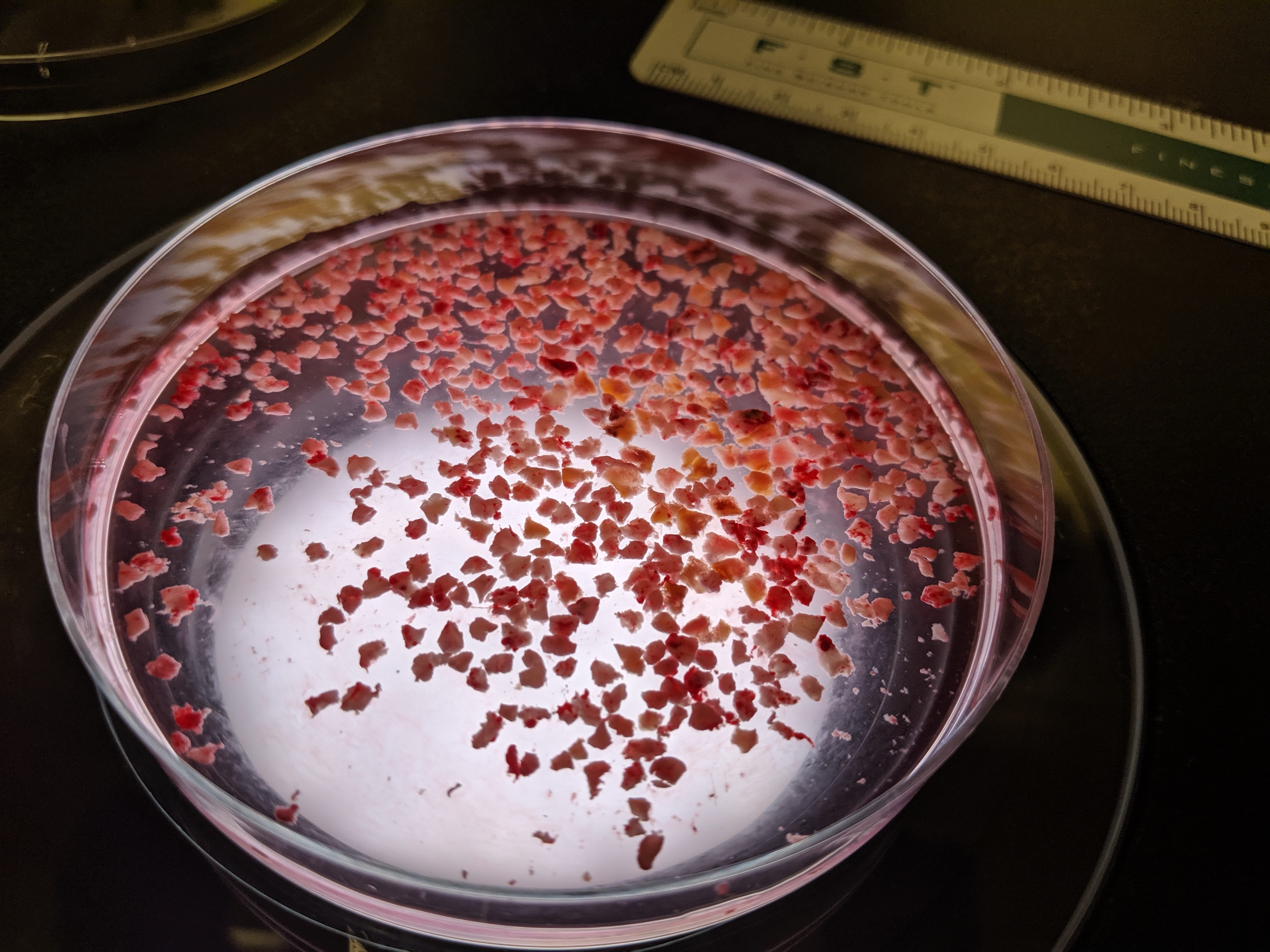
Glioblastoma is one of the most common and aggressive forms of brain cancer, and it is particularly difficult to treat. Now, researchers from the University of Pennsylvania School of Medicine have come up with a new approach to treatment for the disease, by growing organoids based on a patient’s own tumor to find the most effective treatments. Digital Trends spoke to senior author Dr. Donald O’Rourke to learn more.
The technique uses mini-brains — pea-sized organoids grown from stem cells which recreate features of full-scale brains. The mini-brains are similar enough to real brains that they can be used for testing out medical treatments to see how a full-sized brain would respond.
The breakthrough in this research is regarding treatment individualization. One of the challenges of treating a complex disease like brain cancer is that different people respond in different ways to the various treatment options available. After surgery has been performed to remove a tumor, doctors typically begin further treatment using radiation or chemotherapy around one month later. That means there isn’t always time to use perform genetic analysis to see which treatment might be best suited for a particular patient — the doctors need to know what will work and start further treatment as soon as possible.
This is where the mini-brains come in. Doctors can take stem cells from a patient’s tumor and grow them into a tumored mini-brain, within a few weeks. Then these organoids can be implanted into mouse brains, and doctors can test how they respond to different treatments. They can try things like different combinations of drugs, or a relatively new type of treatment called CAR T-cell therapy, in which a patient’s immune system cells are changed so they attack the cancer cells. They can see which treatment is most effective for particular tumors, and then apply those treatments to the patient.
One of the senior authors of the paper, Dr. Donald O’Rourke, explained to Digital Trends how the organoids are currently being used and the group’s plan for future research: “We are currently testing CAR T-cells used in our ongoing clinical trial,” he said. “We will correlate CAR T responses using brain organoids with CAR T clinical responses.” That means they will be able to get an indication of how patients respond to CAR T-cell therapy before treatment even begins.
In addition, they also want to use brain organoids to select participants for future research trials: “We envision the brain organoids as an advanced diagnostic assay which will allow real-time treatment predictions,” Dr. O’Rourke said.”In the future, when we have additional CAR T trials, we will potentially be able to evaluate preferred CAR T-cells for each tumor prior to study enrollment.” That way, they can try out new methods on those patients which the treatments are most likely to help.
The research is published in the journal Cell.



