Chromebooks have always been a bit different from Windows 10 laptops and MacBooks. If you buy one, you get significantly better battery life and performance. Great as that is, there has been one fatal flaw.
Regardless of where you buy it, a typical Chromebook usually has a fixed life span. But Google now appears to be changing that.
The majority of new Chromebooks released in 2020 and beyond will now have support for even longer. For me, this news finally makes a high-end Chromebook a good investment.
Adding extra value
Let’s start by taking a look at the competition. If you shell out $1,000 or more on a new high-end Windows 10 laptop or a MacBook, you’ll always get operating system upgrades. For instance, a MacBook Pro Retina from 2013 still supports the latest version of MacOS.
You also can install Windows 10 on almost any modern laptop, as long as it meets minimum specs. Operating system updates aren’t tied to specific Windows or Mac devices. This often increases the value of devices, especially on websites like eBay, where folks try to sell off old laptops. In most cases, updates will continue after the hardware inside devices gives out.
Google, though, complicates the situation with a Chromebook. Your Chromebook is only guaranteed major OS updates for up to 6.5 years from when a specific Chrome hardware platform was released. Updates are tied to specific devices. This isn’t a problem when it comes to cheaper hardware, but if you buy a premium device, you might be left in the dust.
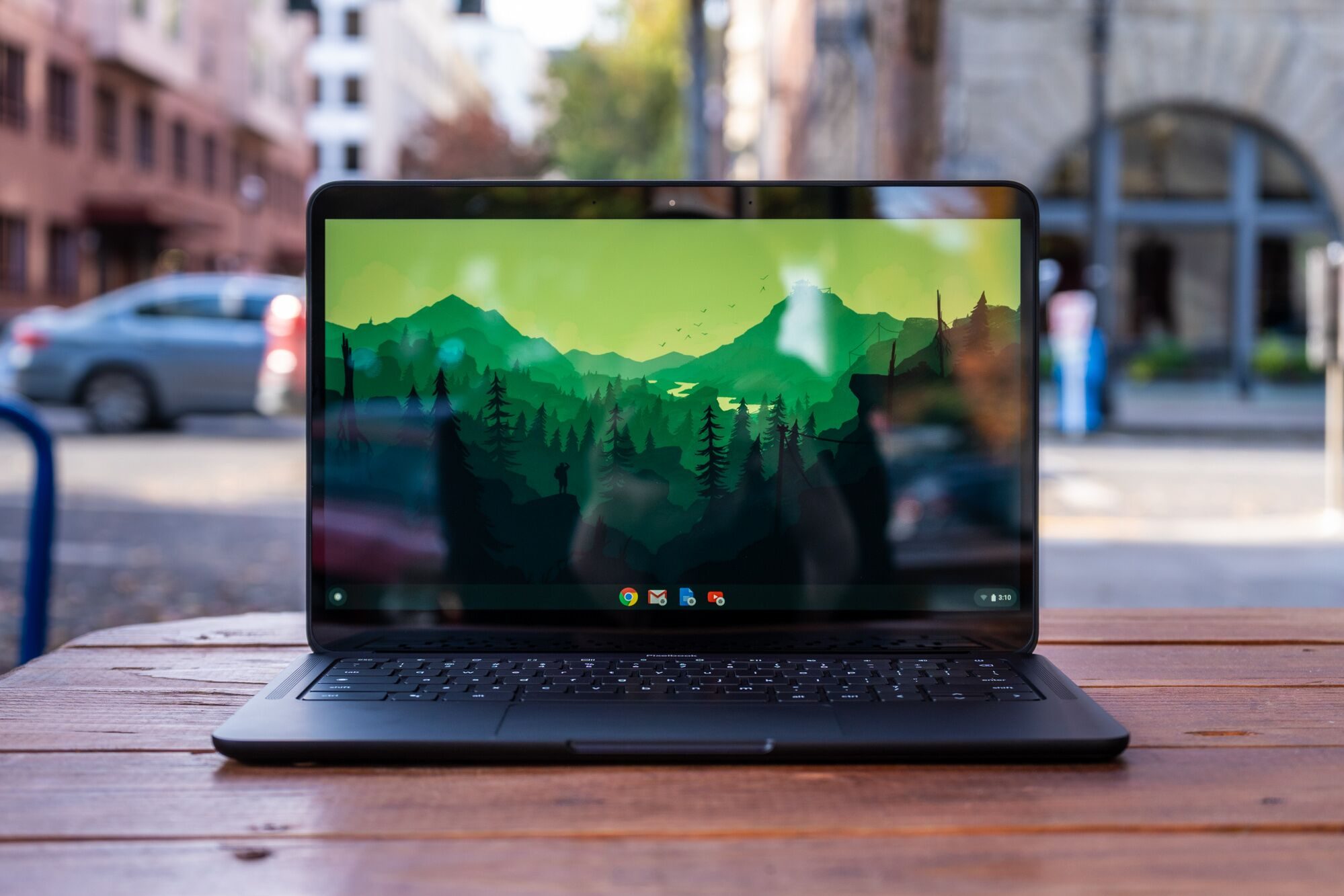
For example, take the new $650 Pixelbook Go, which was released in November 2019. It will only see major OS upgrades until June 2026 — about 6-and-a-half years of support. After this date, the device won’t get any new features, and it will be left behind. You can keep using it, but any new Chrome OS features won’t be available for you.
But now, it appears that new devices released in 2020 will have up to 8 years of support. Google says the new Lenovo 10e Chromebook Tablet and Acer Chromebook 712 will both receive automatic updates until June 2028. That’s 2 years more than the current 6 years for existing hardware.
This increased support gives Chrome devices extra value. You can buy in confidence, knowing that you’ll be able to get the latest and greatest from Google, and that you can potentially resell your Chromebook and put that money toward your next purchase.
The problem of updates being tied to hardware is still there, but you’ve now got yourself a longer grace period with your new Chromebook. You can keep using it long after Intel or AMD bring out the latest processors.
High-end devices
This change is also especially important for high-end devices. At CES 2020, we saw Google’s work with both Samsung and Asus on beautiful new 2-in-1s. These devices sport OLED screens, thin bezels, and even 10th-generation Intel processors under the hood.
This is all great, but the devices will obviously come with a steep price tag. With a shorter support window, these beautiful devices would be useless in just 6 years. Previously, if you shelled out big money for the devices, you wouldn’t get any new features in the OS. Now, your new device will get any new features, too.
For instance, we know that Google is working on improving tablet mode in new versions of Chrome OS. As small as Chrome OS updates can be, little changes like that make a difference. So, with the new support system, you’ll get new OS features (like that tablet mode,) and more, right when you need it. Your device won’t just be a glorified web browser and the experience will be much more enhanced.