1. Home
  2. Audio / Video
  3. News

Amazon Prime, YouTube, and Netflix agree to throttle streaming quality in Europe

Add as a preferred source on Google
 

Amazon and YouTube have agreed to comply with The European Commission’s request to switch to standard quality streams in an effort to avoid bandwidth overload in the European Union.

Recommended Videos

“Prime Video is working with local authorities and Internet Service Providers where needed to help mitigate any network congestion, including in Europe where we’ve already begun the effort to reduce streaming bitrates whilst maintaining a quality streaming experience for our customers,” a Prime Video spokesperson told Engadget.

According to a Reuters report, Alphabet-owned YouTube has said that it’s “temporarily switching all traffic in the EU to standard definition by default.”

The moves come a day after Netflix announced it will throttle bit rates across all of its streams in Europe for 30 days — a step that’s expected to reduce the company’s traffic on European networks by about 25%.

Unlike Netflix, YouTube hasn’t revealed yet how long its videos will be capped at SD quality and how much impact it would have on the region’s bandwidth. And though it is setting default stream quality at standard definition, it hasn’t said if it will be preventing EU users from switching to higher resolutions. We’ve reached out to YouTube and will update the post once we hear back.

As the coronavirus outbreak places countries in lockdown, people holed up in their homes have turned to online tools and platforms for both work and entertainment — causing a sudden spike in internet usage. Research and analytics firm Neilson estimates social distancing and quarantines “can lead to almost a 60% increase in the amount of content we watch in some cases and potentially more depending on the reasons.”

Streaming services traffic, as a result, is expected to grow in the coming days. Twitch viewership, for instance, is reportedly already up by 10%. One of Europe’s leading network operators, Vodafone, has said internet traffic in a handful of countries has surged by up to 50%.

To ensure this surge of traffic doesn’t end up clogging Europe’s internet lines and infrastructure, European Union Commissioner Thierry Breton has urged streaming platforms to downgrade their stream resolutions to SD from HD until the COVID-19 outbreak is under control.

“Teleworking & streaming help a lot but infrastructures might be in strain. To secure Internet access for all, let’s #SwitchToStandard definition when HD is not necessary,” Mr.Breton wrote in a tweet.

In addition to this, YouTube is rolling out a new section on its website and app’s homepage that will feature official, fact-checked COVID-19 videos. “We want everyone to have access to authoritative content during this trying time, so we’re launching a COVID-19 news shelf on our homepage in 16 countries. We’ll expand to more countries, as well,” the company said in a tweet.

For the moment, there are fewer concerns over network capacity in the U.S. “We are not seeing network degradation in the United States right now as far as we can tell,” said John Busby, managing director at BroadbandNow, told Digital Trends. “I don’t have a huge concern.”

Shubham Agarwal
Shubham Agarwal is a freelance technology journalist from Ahmedabad, India. His work has previously appeared in Firstpost…
I desperately want a new classic Walkman, but Sony probably can’t give me one
Tech minimalism is begging for a new Walkman. Though rebuilding it may be close to impossible
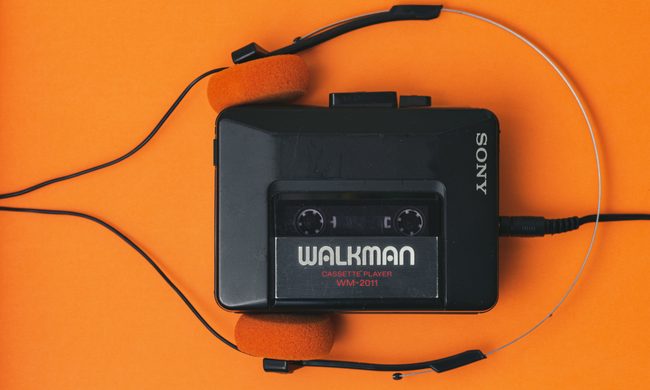
Sony Walkman WM2011

Every few months, another piece of tech that seems obsolete crawls out of a drawer and becomes cool again. The age of minimalism has revived the popularity of iPods among younger buyers. Dumbphones have become an escape hatch from endless notifications. Similarly, digital cameras are dangling from bags again. Physical media keeps attracting people who want something they can actually hold instead of another frustrating subscription.

All of this makes it the perfect time for Sony to bring back the classic Walkman, which was a phenomenon during the 80s and 90s. I would love one. Give me a compact cassette player, physical buttons, and wired headphones. Keep the apps, notifications, and algorithms that shape your taste of music. No more AI assistants or personalzied feeds, just you and your Walkman. There is only one problem though. Recreating the Walkman that people love and remember, would be far harder than putting an old design back into production.

Read more
Proton reveals how smart TVs track you and the escape situation is pretty grim 
Modern smart TVs fingerprint your screen content at the chipset level.
Google TV applications on the Sony A95K TV.

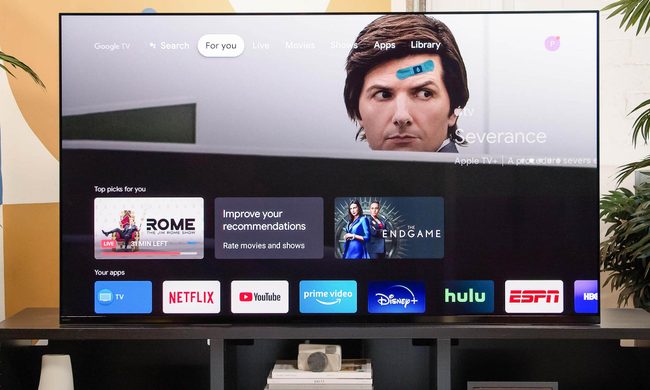
Your smart TV may know far more about your viewing habits than you realize, even if you rarely use its smart features. In a new privacy explainer, Proton warns that many modern TVs quietly collect data about everything displayed on the screen and share it with manufacturers, advertisers, and analytics companies.

The worrying part is that escaping this tracking is becoming increasingly difficult because many privacy controls are buried deep in settings or enabled by default. Proton argues that buying a smart TV today often means accepting a level of surveillance that most people never knowingly signed up for.

Read more
LG is cracking down on smart TV apps that quietly turn your TV into a secret proxy
LG OLED Settings

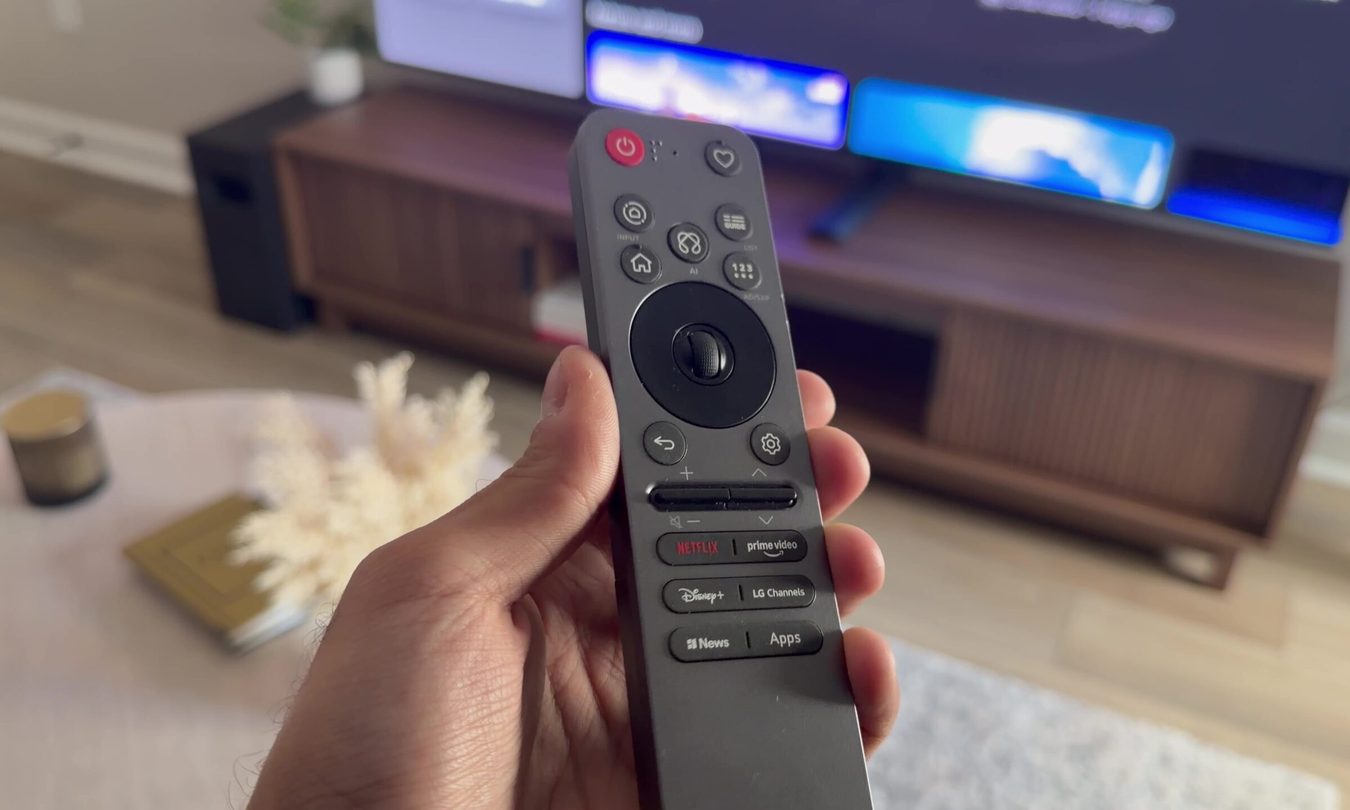
If you own an LG smart TV, there's a chance one of your harmless-looking apps has been moonlighting as an internet relay for someone else's traffic. According to a report from KrebsOnSecurity, LG says it's finally stepping in to stop this menace. This week, the company confirmed it plans to suspend any webOS app that turns a TV into what's called a residential proxy node.

The move follows a report from security firm Spur, which found that more than 42 percent of apps on LG's webOS store include SDKs that quietly reroute internet traffic through your TV, indefinitely. Samsung isn't spared either, with over a quarter of Tizen apps carrying similar code.

Read more