
Apple did something decidedly un-Applish this week. Just as it launched lossless audio versions of every single track in its 75-million-plus-song Apple Music library, it also acknowledged that none of its wireless headphones — including the insanely expensive $550 AirPods Max — are currently compatible with these lossless versions. That’s a pretty shocking admission from a company that typically introduces new products and features with the tagline: “It just works.”
Right now, lossless audio works with just two wireless standards, and Apple’s headphones don’t offer either of them. Is there a method to Apple’s seeming madness? Prolific Apple leaker Jon Prosser believes that we are merely in a carefully planned resting period between Apple announcements and that we’ll just have to wait for the other shoe to drop.
But what is that plan, and when will we find out what that plan entails? How does Apple intend to get around a thorny (and deeply technical) barrier imposed by its choice of wireless audio technologies?
I think the answers lie in a major makeover of Apple’s trusty AirPlay technology to work over Bluetooth, and I think it’s coming June 7 at Apple’s Worldwide Developers Conference (WWDC) 2021. We’ll likely find out all the details then, but here’s how it could work, why Apple wouldn’t just take the easy road, and what Apple fans would stand to gain from this leap forward in wireless audio fidelity.
How will Apple do lossless audio wirelessly?
When it comes to streaming media wirelessly between devices, there are two primary technologies: Wi-Fi and Bluetooth.
Bluetooth has been the preferred choice for sending audio to wireless headphones because, despite the narrow size of its “pipe,” it uses less energy, which helps with battery life.
Wi-Fi, with its much wider pipe, has been preferred for sending video and high-quality audio, but only when the receiving device has a stable source of power, like a wall plug, because of Wi-Fi’s higher energy demands.
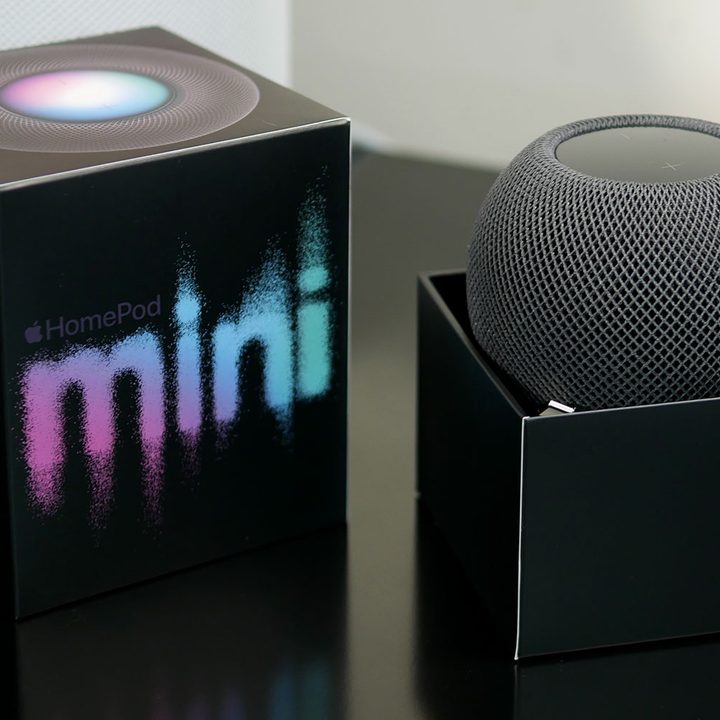
Wi-Fi would appear to be the logical choice for sending lossless audio. It’s already being used to do this in homes — wireless speakers from Sonos, Denon, and Apple all use Wi-Fi. But when it comes to wireless headphones, none use Wi-Fi.
So it’s back to Bluetooth. Can you fit lossless audio through Bluetooth’s relatively narrow pipe? Companies like Qualcomm and Sony have created high-quality audio codecs like aptX HD and LDAC which aim to do just that — and have largely succeeded. LDAC’s performance is good enough that the Japan Audio Society, which oversees the “Hi-Res Audio” designation, considers it one of two codecs that meet its standard for sound quality.
But both aptX HD and LDAC are proprietary technologies that must be licensed if you want to include them in your products. Historically, Apple has proven resistant to licensing any technology that it thinks it can avoid. Apple co-founder Steve Jobs famously expressed disdain at the notion of Macs sporting HDMI ports for exactly this reason (Apple eventually added HDMI to its machines).
If the only Bluetooth codecs that have a proven track record of supporting high-quality audio must be licensed, and if Apple refuses to license them, that leaves only one option.
AirPlay over Bluetooth
Apple already owns a very impressive wireless media platform that it has been developing for years called AirPlay, which creates seamless wireless links between Apple devices (like an iPhone and an Apple TV) for the transmission of both audio and video.
There are hundreds of wireless speakers, streaming media devices, and smart TVs that are compatible with AirPlay.
AirPlay can deliver lossless audio at up to 24-bit/48kHz, which is Apple Music’s middle tier for lossless music. AirPlay sends this audio using Apple Lossless Audio Codec (ALAC), which is the format that Apple Music will use for its lossless music tracks.
But AirPlay uses Wi-Fi as its wireless networking delivery system, not Bluetooth.
So what are we to make of Prosser’s statement that, “with a simple update at any time,” Apple’s wireless headphones can be made to work with AirPlay? The W1 and H1 chips in Apple and Beats wireless headphones are powerful Bluetooth devices, but they don’t do Wi-Fi.
My guess is that at WWDC 2021, Apple will announce an extension to its AirPlay technology that lets it run over Bluetooth to deliver lossless audio in up to 24-bit/48kHz.
Such a move would be consistent with Apple’s approach to wireless media delivery and its desire to elevate its own products over the competition in a way that isn’t seen as anticompetitive.
AirPlay, from a transmission point of view, is an Apple exclusive. Only Apple devices are able to transmit AirPlay. The receiving side of the AirPlay equation is open to any third party that wishes to license the technology and, as we’ve seen, plenty of companies have already availed themselves of this opportunity.
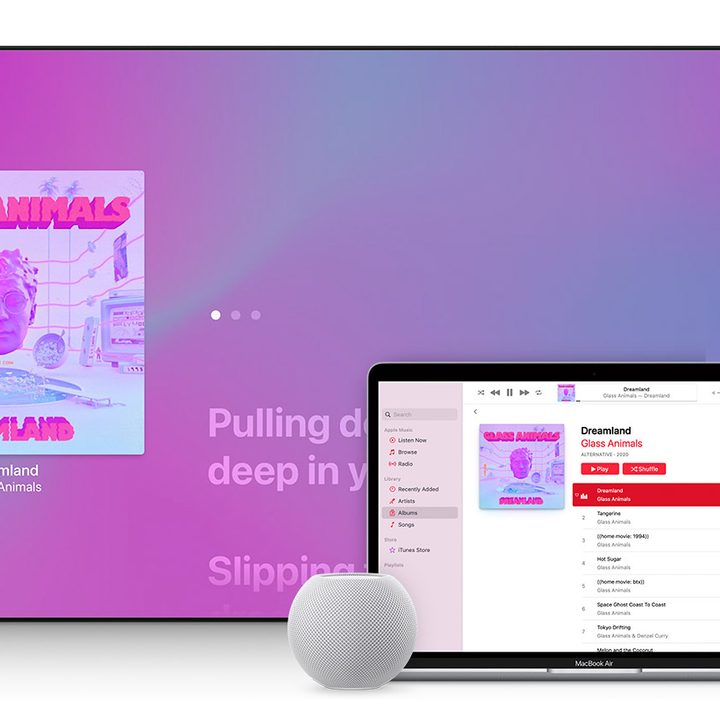
AirPlay over Bluetooth would continue this. Any third-party manufacturer could build “Made for AirPlay” Bluetooth headphones or speakers, and they would be guaranteed to work with lossless audio from Apple Music. But not just Apple Music. AirPlay over Bluetooth, just like AirPlay over Wi-Fi, will work with any media app that chooses to support it.
Could it work?
It’s reasonable to be skeptical about the notion of a Wi-Fi-based technology being successfully adapted for Bluetooth, but AirPlay has an advantage that other Bluetooth codecs do not: When streaming media is sent over AirPlay, all of the computational heavy lifting is done on the sending device’s side.
By the time it reaches the receiving device, there’s no work left to be done but play the audio. In theory, this could actually reduce the amount of power needed by the wireless headphones or speaker.
What about Android?
If AirPlay can only be used to send media wirelessly from Apple devices, what about Apple Music subscribers who use Android?
If their chosen phone supports one of the other high-quality Bluetooth codecs like aptX HD or LDAC, they’re free to buy a set of compatible wireless headphones. The quality will likely be excellent and Apple won’t have to pay a cent in licensing fees for Android customers to enjoy it.
Whether Apple ends up pursuing AirPlay over Bluetooth, or something else, we won’t have long to wait — WWDC 2021 is almost here and it will likely give us the answers.