While there have been recent updates on the launch of the M1X-powered Mac mini, MacBook Pro 14, and the MacBook Pro 16, the M1X iMac Pro is nowhere to be seen. Those hoping for a larger, more powerful iMac may be in for a longer wait than we first thought.
Tipster @dylandkt, who has a decent record for accuracy in the past, remarked on Twitter that the new machines sporting the M1X chip are expected in “late October or early November.” While he mentioned the release of the M1X MacBook Pro 14 and MacBook Pro 16, the iMac Pro was conspicuously left off the list.
https://twitter.com/dylandkt/status/1405545069059338243?ref_src=twsrc%5Etfw%7Ctwcamp%5Etweetembed%7Ctwterm%5E1405545069059338243%7Ctwgr%5E%7Ctwcon%5Es1_&ref_url=https%3A%2F%2Fwww.notebookcheck.net%2FM1X-Mac-mini-to-join-the-M1X-MacBook-Pro-14-and-MacBook-Pro-16-in-fourth-quarter-release-but-iMac-Pro-with-Apple-Silicon-might-take-longer.546821.0.html
As you may remember, the most recent Intel-based iMac Pro was discontinued earlier this year. Meanwhile, the current 27-inch iMac still runs on an x86 system and was one of the few Mac products to get updated to new Intel processors after the Apple Silicon announcement at WWDC 2020. It remains one of the most important Macs in the lineup to remain on Intel.
We do know, however, that a larger Apple Silicon iMac is in the works. Some sources also claim that the larger iMac will be a “higher-end Mac” and essentially an extension of the M1 Apple Silicon. Other leakers suggest that the new iMac Pro leveraging the M1X will sport up to 32 GPU cores. But @dylandkt claims that it will contain more Thunderbolt channels, more CPU cores, more GPU cores, and greater power draw, and that the M1X chip will be featured in the Mac mini, the MacBook Pro 14 and 16, and a larger iMac.
According to a Bloomberg report from May, Apple halted work on a larger iMac to focus on shipping the 24-inch iMac. Details from that same report indicate that the larger iMac could have up to a 30- or 32-inch screen, which would make it the largest iMac ever made. That report indicated a launch as early as later this year, but the time frame for these different products is still up in the air.
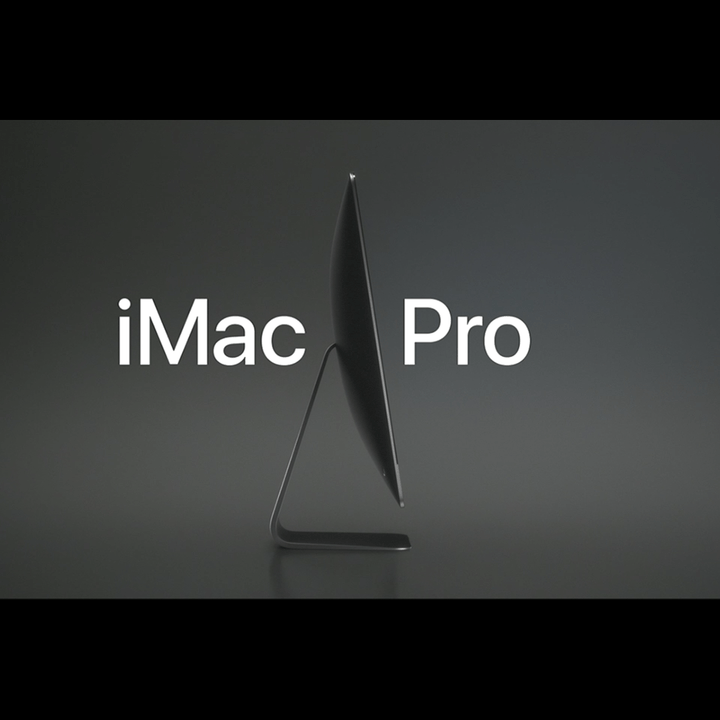
Consider Apple’s approach to the release schedule of the first wave of M1 products. The first of them, the MacBook Air, MacBook Pro, and Mac mini, were released in fall 2020. This was followed by the release of the 24-inch iMac in spring 2021. If the first lineup of the M1X products release in fall 2021, then it only makes sense for the product that follows it, the larger iMac (or iMac Pro), to be launched in 2022.
This would keep it well within Apple’s initial time frame. Last year, Apple claimed that the transition to Apple Silicon would be a two-year transition, which would certainly leave space for higher-end Mac products such as the iMac Pro to come out in 2022.
The 24-inch iMac was a well-received machine but it left many people wondering when Apple will launch a product that is more powerful and has a larger screen. Considering the larger screen and more powerful chip inside, using that same ultrathin design may not be possible. Whether the larger iMac will even adopt the “Pro” name is still up in the air.
Still think the iMac Pro could be squeezed in later this year? Let’s consider the potential dates and what we know Apple has to launch.
The company typically holds most of the Mac launches for the fall or winter. Following the typical iPhone launch in September or October, Apple tends to hold an October or November event for updates to the Mac or iPad lines. Last year, the November event saw the release of the M1 MacBook Pro, MacBook Air, and Mac mini.
This year’s event will likely feature the MacBook Pro 14-inch taking the spotlight, leaving little room for a completely redesigned iMac Pro to launch.
Either way, a Space Gray 30-inch iMac with black bezels and an M1X inside is what many are clamoring for — but it doesn’t appear to be coming anytime soon.