1. Home
  2. Computing
  3. Legacy Archives

Google announces new photo format: WebP

Add as a preferred source on Google
Image used with permission by copyright holder

WebP (pronounced weppy) has been under development by Google and reduces file sizes by 40 percent compared to JPEGs. That means faster downloads from websites and less strain on networks.

Richard Rabbat, product manager at Google explains why they made the decision to develop WebP, “Most of the common image formats on the web today were established over a decade ago and are based on technology from around that time. Some engineers at Google decided to figure out if there was a way to further compress lossy images like JPEG to make them load faster, while still preserving quality and resolution. As part of this effort, we are releasing a developer preview of a new image format, WebP, that promises to significantly reduce the byte size of photos on the web, allowing web sites to load faster than before.”

Recommended Videos

Google is working hard to make this a new standard and has been in discussions with browser developers to gather support. Not surprisingly, we can expect to see WebP support in Chrome in the next few weeks.

Laura Khalil
Former Digital Trends Contributor
Laura is a tech reporter for Digital Trends, the editor of Dorkbyte and a science blogger for PBS. She's been named one of…
Topics
Intel may bring back older desktop CPUs because DDR5 is getting too expensive
Older Intel Core CPUs from 10th to 14th Gen may get a second life
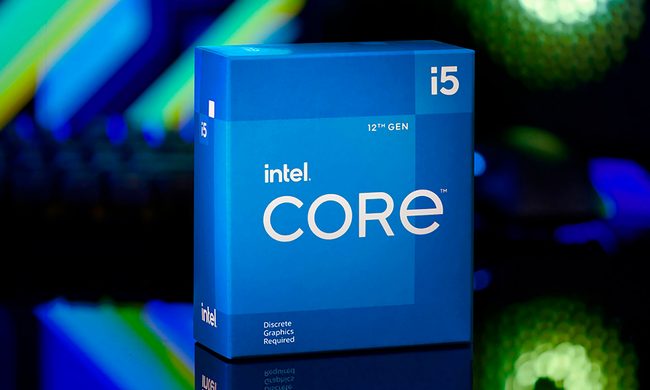
Intel Core i5-12400F box sitting in front of a gaming PC.

Intel may be preparing an unusual response to the ongoing memory crunch. According to Chinese outlet ITHome, citing ChannelGate, the company’s latest production plan includes restarting production of 13th-gen and 14th-gen Core processors.

The move is expected to increase supply across Intel’s 10th, 12th, 13th, and 14th Gen CPU families, especially in mainland China. For DIY PC builders, the timing is important. DDR5 memory prices have climbed sharply, making newer platforms harder to justify for anyone trying to build an affordable gaming PC.

Read more
Amazon wants to design in-house chips for Kindles, Fire TV, and Echo speakers
Apple did it first. Amazon is doing it now, starting with 40 million chips a year and a partner most people have never heard of.
Amazon Kindle Scribe dark mode featured image.

Apple's decision to design its own chips reshaped the consumer electronics industry. Amazon may be about to make the same call, just about two decades later.

Supply chain analyst Ming-Chi Kuo reports that Amazon is preparing to shift away from externally sourced processors for its consumer electronics lineup, marking what he describes as the company's first major processor procurement change in 20 years. The transition is expected to begin in 2027.

Read more
AI wants to summarize it all. TripAdvisor’s misleading reviews show AI will also ruin your travel plans
Spotless, friendly, and totally wrong. AI summaries are hiding the reviews that actually matter.
Tripadvisor logo on MacBook

Planning a trip is stressful enough without wondering if the glowing hotel summary you just read was written by an AI that skipped the scary parts. As it turns out, that might be exactly what's happening on TripAdvisor.

According to an investigation by consumer group Which?, reported by the Guardian, TripAdvisor's AI-generated review summaries are smoothing over serious guest complaints, and in some cases, downright dangerous ones.

Read more