  1. Home
  2. Phones
  3. Apple
  4. Mobile
  5. News

Apple’s first attempt to delay third-party app store payments fails in court

Add as a preferred source on Google

Apple will have to allow third-party developers the ability to link outside the App Store pretty soon. After appealing the ruling in the Epic case that said it had to allow for third-party links and buttons in App Store apps and requesting a denial, the company was met with a refusal by a federal court in Oakland.

By its telling, Apple’s motion for a stay was based on a need to protect its customers and developers by building new policies to accommodate the new state of play and remove the prohibition on anti-steering it had enshrined.

Recommended Videos

“It is exceedingly complicated. There have to be guard rails and guidelines to protect children, protect developers, protect consumers, and protect Apple. They have to be written into guidelines that can be explained and enforced and applied,” Apple’s attorney Mark Perry argued, according to Reuters. Without such protections, Apple could be subject to irreparable injury as trust in the App Store is eroded, the company said.

In its ruling, the court took a dim view of Apple’s request for a stay, bluntly stating: “That the injunction may require additional engineering or guidelines is not evidence of irreparable injury. Rather, at best, it only suggests that more time is needed to comply. Apple, though, did not request additional time to comply. It wants an open-ended stay with no requirement that it make any effort to comply. Time is not irreparable injury.”

More broadly, the court wrote in its ruling dismissing the overall appeal: “Apple’s motion is based on a selective reading of this court’s findings and ignores all of the findings which supported the injunction, namely incipient antitrust conduct including super-competitive commission rates resulting in extraordinarily high operating margins and which have not been correlated to the value of its intellectual property. This incipient antitrust conduct is the result, in part, of the anti-steering policies which Apple has enforced to harm competition. As a consequence, the motion is fundamentally flawed.” Apple has signaled its intention to take the case to the 9th Circuit Court for further appeals.

The company’s anti-steering policies have come into full focus, alongside Google’s, over the past year as lawsuits like Epic’s and legislation from Japan and Korea have come into play to force Apple and Google to open up their app stores. Google has seemingly complied without any fuss , while Apple is showing intent to fight against these cases until it has no choice. Its rivals are already waiting iin the wings.

Michael Allison
Former Mobile News Writer
A UK-based tech journalist for Digital Trends, helping keep track and make sense of the fast-paced world of tech with a…
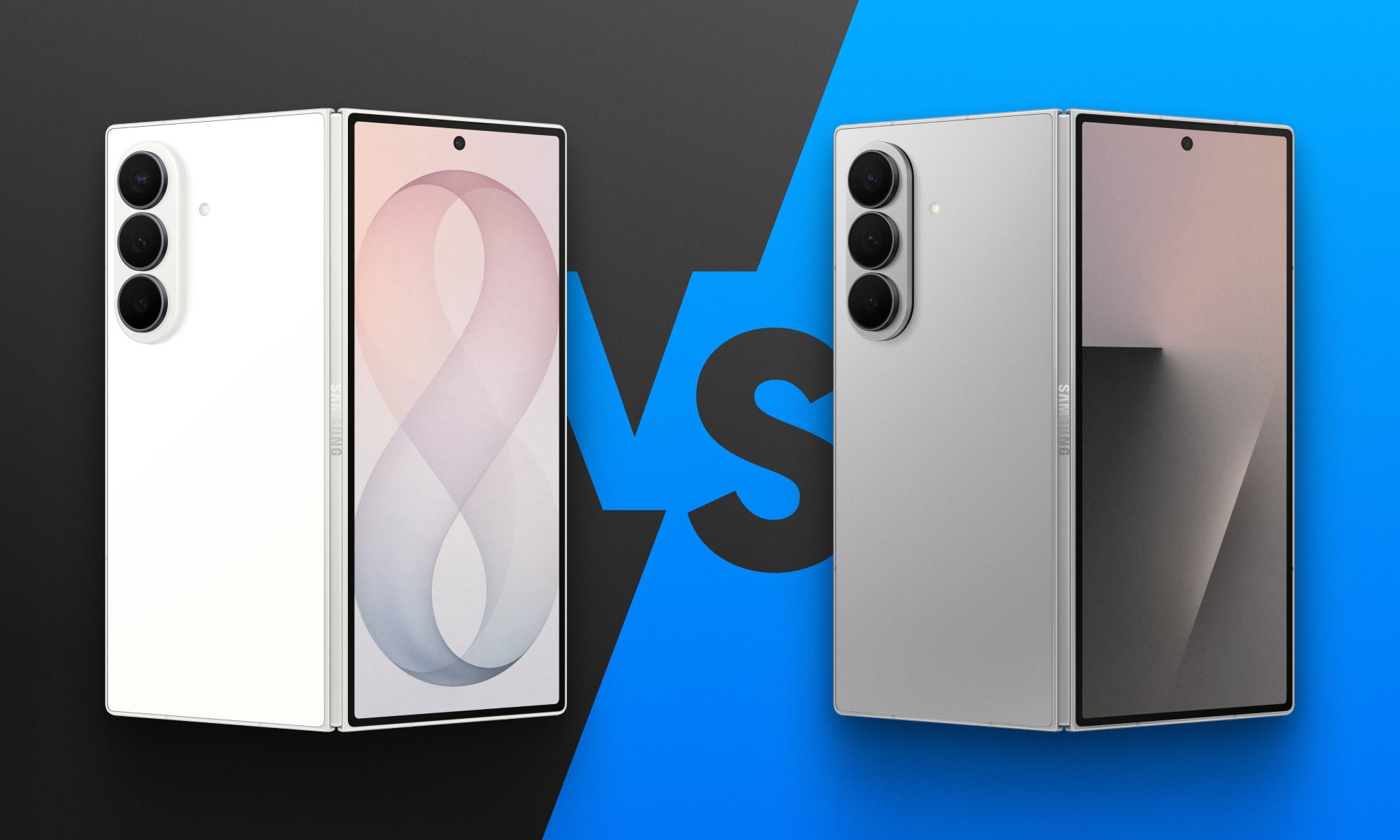
Fold 8 Ultra vs. Fold 7: Upgrades across the board, but is the Ultra really worth the upgrade?
From battery capacity to camera hardware, here's a full comparison between the Galaxy Z Fold 8 Ultra and Galaxy Z Fold 7, and whether upgrading actually makes sense.
Galaxy Z Fold 8 Ultra vs. Fold 7

Foldables age differently than regular smartphones or flagships. But why do I say this? It's the hinge and the foldable aspect that wins buyers over in the first place, not the specifications that get outdated every single year. That's precisely why anyone still carrying last year's Galaxy Z Fold 7 is asking a fair question today: does Samsung's freshly unveiled Z Fold 8 Ultra genuinely earn an upgrade, or does the Fold 7 still hold its ground?

And for shoppers who skipped last year's model entirely and are weighing their first foldable purchase, the calculus is totally different. A now-discounted Fold 7 might undercut the Ultra by a considerable sum, and that could matter to those looking to spend on the form factor, not the latest specifications. 

Read more
Samsung makes it easier to run multiple apps on Galaxy Z Flip 8’s cover screen
Samsung's Galaxy Z Flip 8 now runs 16 apps on its cover screen.
Galaxy Z Flip 8 cover display

Samsung is finally making the Galaxy Z Flip's cover screen much more useful. With the new Galaxy Z Flip 8, you no longer have to rely on workarounds to access more apps without unfolding the phone. Instead, Samsung has expanded native support on the FlexWindow, allowing 16 apps to run directly on the outer display and also making it much easier to launch virtually any other app.

The update addresses one of the biggest complaints Flip users have had for years and brings Samsung up to the level of rivals like Motorola, whose Razr series has long offered a more flexible cover screen experience.

Read more
Google just made switching from iPhone to Android much easier with Android 17
Android 17 can now transfer your passwords, passkeys, eSIM, and even your home screen.
Android-17-switch-ios-to-android

Moving from an iPhone to an Android phone has never been an easy process, but Google is trying to change that. With Android 17, the company has introduced a rebuilt Android Switch that can move far more of your data than any past version ever could.

Google worked with Apple to create the new transfer system from the ground up, allowing far more information to move wirelessly than before. The upgraded experience is already rolling out to eligible Pixel devices and is also available on Samsung's new Galaxy Z Fold 8 and Galaxy Z Flip 8 through Smart Switch.

Read more