  1. Home
  2. Cars
  3. Emerging Tech
  4. Legacy Archives

Utah Senator wants to charge fee for hybrid and electric cars

Add as a preferred source on Google

kevin van tassellUtah Senator Kevin Van Tassell has proposed charging hybrid and electric car owners a fee, stating that the loss of money garnered from gas tax is hurting funding for maintaining and building infrastructure. The legislator believes that since these cars are getting excellent mileage, the owners aren’t paying for their fair share of the road despite the improvement in air quality.

Utah isn’t the only state buzzing about the extra revenue they would gain from charging fees on these types of cars. Legislators in the state of Washington and Oregon are also toying with ways to squeeze money from electric and hybrid car owners—Oregon may charge drivers 1.43 cents per mile. Washington Senator Mary Haugen’s perspective seems to be in line with Van Tassell’s saying, “Electric vehicles put just as much wear and tear on our roads.”

Recommended Videos

The Utah issue was originally brought up during a legislative session about a now failed bill of Van Tassell’s which was going to increase the state’s gas tax. The gas tax revenue in Utah has slipped from $366 million in 2007 to $341 million in recent years.

Utah Senate President Michael Waddoups thinks that the idea of a fee has merit but the push for the fee may be a bit premature.“We’re trying to develop the manufacture and distribution of the vehicles”, he said. “We need to encourage [sales], at this point.”

Others agree with the Senate President’s thoughts on holding back. The state’s air quality division is currently working on increasing incentives for buying new vehicles that meet air-quality and fuel-economy standards. Debbie Sigman of Breathe Utah told the Salt Lake Tribune that taxing these cars isn’t the right phase legislation should be in since the number of hybrids on the road don’t seem like they should be making a large dent in the state’s gas-tax revenue.

Jeff Hughes
Former Digital Trends Contributor
I'm a SF Bay Area-based writer/ninja that loves anything geek, tech, comic, social media or gaming-related.
Your next car’s software update could become its biggest security risk
Your next car could receive updates like your smartphone. That's also becoming a cybersecurity nightmare.
OTA technology allows manufacturers to remotely deliver software updates.

Modern cars are no longer machines that stay the same after they leave the showroom. Increasingly, they're becoming software-defined vehicles that receive new features, bug fixes, and security patches wirelessly, much like smartphones. But while over-the-air (OTA) updates have made vehicle maintenance easier and cheaper, cybersecurity experts are warning that the same technology could also become one of the automotive industry's biggest security challenges.

Researchers and policymakers are now calling for stronger oversight as connected vehicles become increasingly dependent on remote software updates. Their concern isn't just about hackers stealing personal data. It's about someone potentially interfering with the operation of a moving vehicle.

Read more
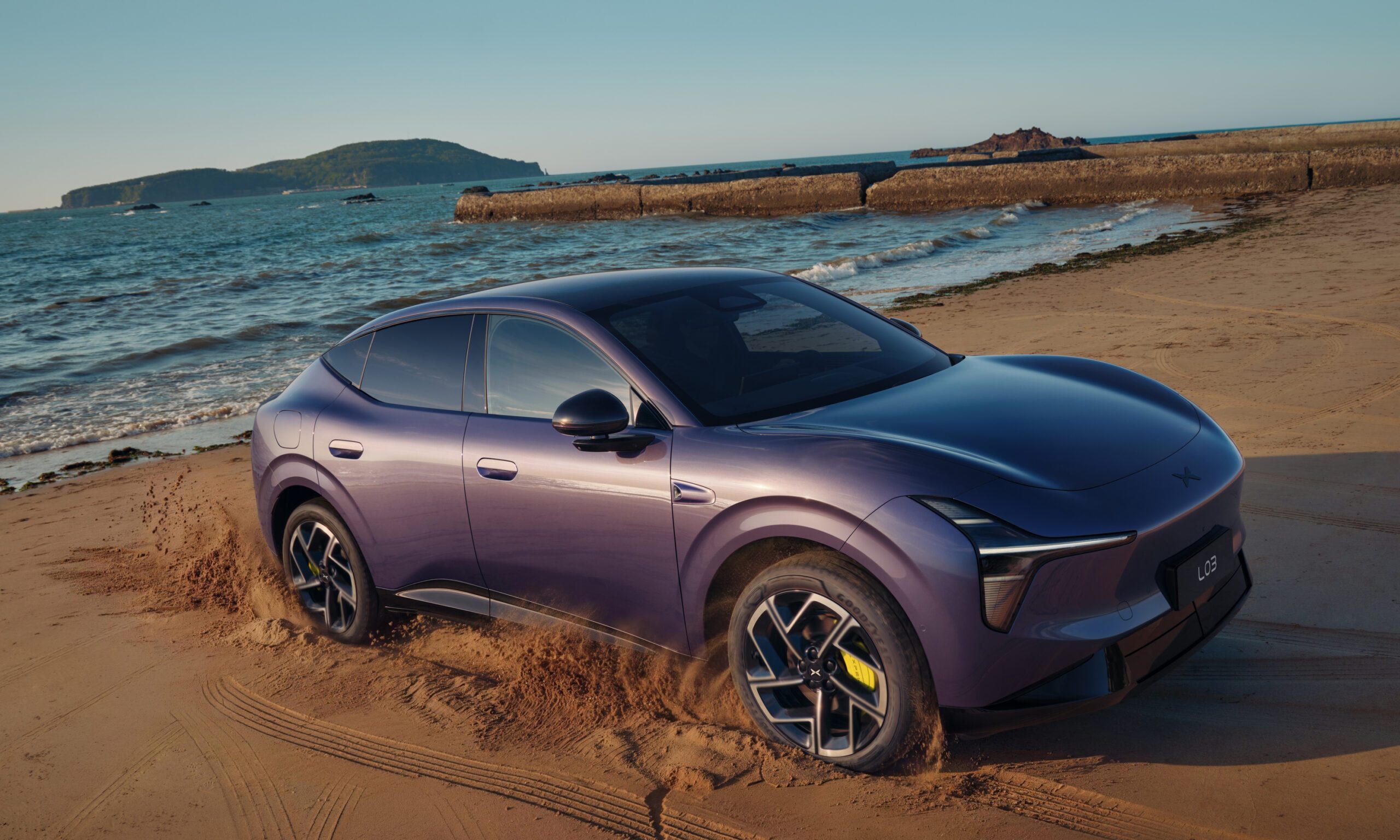
This sleek Chinese EV pairs supercar styling with three AI brains
The Xpeng L03 is an AI supercomputer disguised as a stylish family SUV
Xpeng L03

Xpeng’s latest electric vehicle carries enough processing power to make the term "smart car" actually sound more realistic than it actually is. The new Xpeng L03 debuted simultaneously in Europe and China on July 16, with the company presenting it across 65 markets. Available as a fully electric vehicle and an L03 Power X range-extender, the coupe-SUV is Xpeng’s most internationally focused model so far. Market-specific prices and sales dates remain unannounced.

Three AI chips and Google Maps built right in

Read more
A new sodium battery posts wild four-minute charging numbers, but don’t expect it in an EV yet
The breakthrough could improve fast charging and battery life, but the study hasn’t demonstrated those results in a production-sized pack
EV Charger

A new sodium-metal battery has posted a charging number that makes today’s EVs look painfully slow. In laboratory testing, the cell operated at a 15C rate, equivalent to completing a charge or discharge in roughly four minutes.

That doesn’t mean researchers plugged in an electric car and watched it fill up before the driver finished buying coffee. The result came from a small experimental cell using a new quasi-solid electrolyte, while the larger pouch-cell prototype delivered far less dramatic performance.

Read more