
According to the latest information about the AMD Ryzen 7000 processors, the chip comes with an integrated RDNA 2 graphics card, and while sufficient, it is still much less powerful than the one in the Steam Deck handheld console.
Based on figures presented by a well-known hardware leaker, as well as recent AMD drivers, the iGPU on the upcoming Zen 4 processors will offer about a third of the performance of Steam Deck.
https://twitter.com/KOMACHI_ENSAKA/status/1496868051916320768
The upcoming AMD Ryzen 7000 processors, code-named Raphael, will feature an integrated RDNA 2 graphics card both in their desktop and laptop versions. This is new; the vast majority of current-gen AMD chips did not come with an iGPU — even the high-end models relied on discrete graphics cards. The only exception to this comes in the form of the AMD Ryzen 5000G series, which does come with built-in graphics.
User Komachi_Ensaka on Twitter teased that the RDNA2 iGPU on the upcoming Raphael processors may have two workgroup processors (WPG) and a total of four compute units (CU.) In addition to Komachi’s speculation, a new AMD System Management Unit (SMU) driver has allegedly exposed that the integrated GPU inside the Ryzen 7000 chip will have a clock speed of up to 1.1GHz. Unfortunately, it hasn’t been specified whether that number refers to the base clock or the boost clock. As reported by VideoCardz, this would add up to 0.5 teraflops of single-precision compute performance.
These numbers are not very impressive. Valve’s freshly-released Steam Deck handheld console is also powered by an AMD APU and comes with RDNA 2 graphics, but that GPU offers much better performance, with a clock speed of up to 1.6GHz and up to 1.6 teraflops of computing performance. In short, the soon-to-be best processors from AMD will have around a third of the graphics power offered by Steam’s handheld.
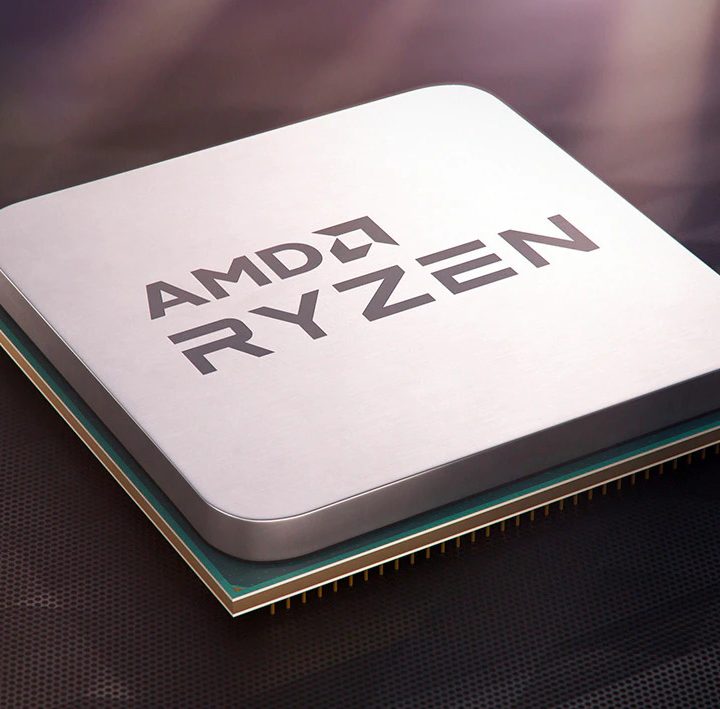
While this sounds grim on paper, it’s not that big of a deal in reality. Most people who need the extra GPU power will likely plan to invest in a graphics card alongside their fresh Zen 4 processor. The iGPU offered by the Ryzen 7000 may not be great, but it will be an alternative for non-demanding desktop PC users. It’s also important to remember that even Komachi_Ensaka says that this is all speculation, so the final numbers may vary from what we’re seeing right now.
However, things change where laptops are concerned — ultra-thin designs often don’t have the space to house a discrete graphics card, in which case the Zen 4 CPU graphics should probably be a little better. AMD hasn’t revealed whether the desktop version of Ryzen 7000 will be different than the mobile version in terms of graphics.
With the new Raphael lineup, AMD is going to catch up to Intel by switching to a new platform and socket. The processors will run on the LGA1718 socket, also known as AM5, but will continue to support AM4 coolers. AMD Ryzen 7000 will also offer support for DDR5 memory and PCIe Gen 5.0. Initially set to release later in the year, the CPUs may now launch as early as the second quarter of 2022.


