1. Home
  2. Social Media
  3. Legacy Archives

Google+ privacy flaw discovered, fix on the way

Add as a preferred source on Google
Google-plus
Image used with permission by copyright holder

Given Google’s long list of privacy debacles, it’s not much of a surprise that early Google+ users (and tech journalists in particular) are scouring the hot new social network for things to complain about. But it seems as though a potentially serious privacy problem does exist, though it’s nothing as bad as the automatic contact-revealing issue that marred Google Buzz from the beginning, and Google’s already on the case to fix it.

The problem, uncovered by the Financial Times‘ Tim Bradshaw, is a loophole in the Google+ sharing feature, which allows the people who follow you to “re-share” any of your posts to anyone they want, including the entire Internet.

Recommended Videos

At the center of Google+ is “Circles,” a sleek new contact organization feature that lets users categorize their friends into different groups, like “Friends,” “Acquaintances,” “Co-workers,” etc. Anytime a user posts something, like a status update, photos or a link, that user can decide which Circle of contacts can view the post and which ones to leave out.

Unfortunately, that carefully crafted system for controlling users’ data goes completely out the window, since anyone a Google+ member shares a post with can then re-share that post with whomever they choose.

Now, this entire problem can be avoided by simply turning off the re-share option on the drop-down menu that appears on the right side of a Google+ post box. But most users likely don’t know that option exists (or why it exists), so it’s a bit useless at the moment. Also, there’s so far no way to turn off re-sharing entirely in the privacy settings, which seems like a must-have if Google hopes to avoid serious complaints.

Fortunately, as Bradshaw notes, Google has been alerted to the problem, and said that this is exactly the type of issues the company plans to resolve before Google+ goes live to the general public. But for those of you who were lucky enough to receive a Google+ invite already, make sure you know the dangers before posting anything incriminating.

Andrew Couts
Features Editor for Digital Trends, Andrew Couts covers a wide swath of consumer technology topics, with particular focus on…
Topics
New X phishing scam uses fake login alerts to steal your account
Scammers have copied X's own security emails almost pixel for pixel, and people are falling for it.
X app store listing on iPhone

You open your inbox and see an alert claiming someone just logged into your X account from an unfamiliar device. Your first instinct is to click through and lock things down immediately. That instinct is exactly what a new phishing scam is counting on.

As reported by The Guardian, a wave of fake X security emails is currently doing the rounds. They claim a new device has logged into your account and urge you to click a link to reset your password or review app access. 

Read more
After YouTube, TikTok is testing its own AI likeness detection tool
TikTok's new tool lets creators flag AI deepfakes of themselves directly.
Home page of TikTok on Web.

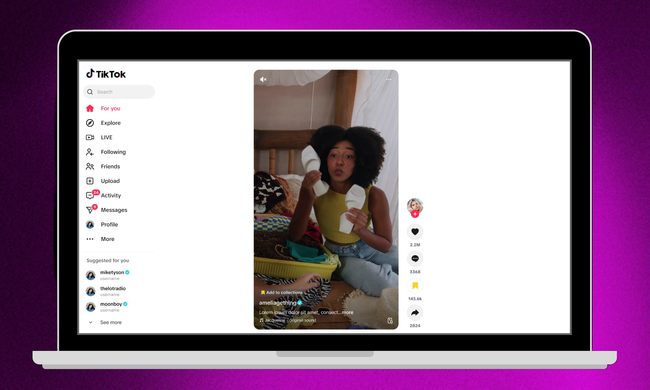
AI deepfakes have become a headache for creators, and TikTok is finally stepping up to fight back. Social media consultant Matt Navarra spotted the platform quietly testing a new opt-in tool that hunts down AI-generated content mimicking a creator's face, giving them the power to flag it directly.

https://twitter.com/MattNavarra/status/2078129989128450064

Read more
You can now generate songs in your iMessage chats
iMessage users can now turn chats into short AI-generated songs
Text, Business Card, Paper

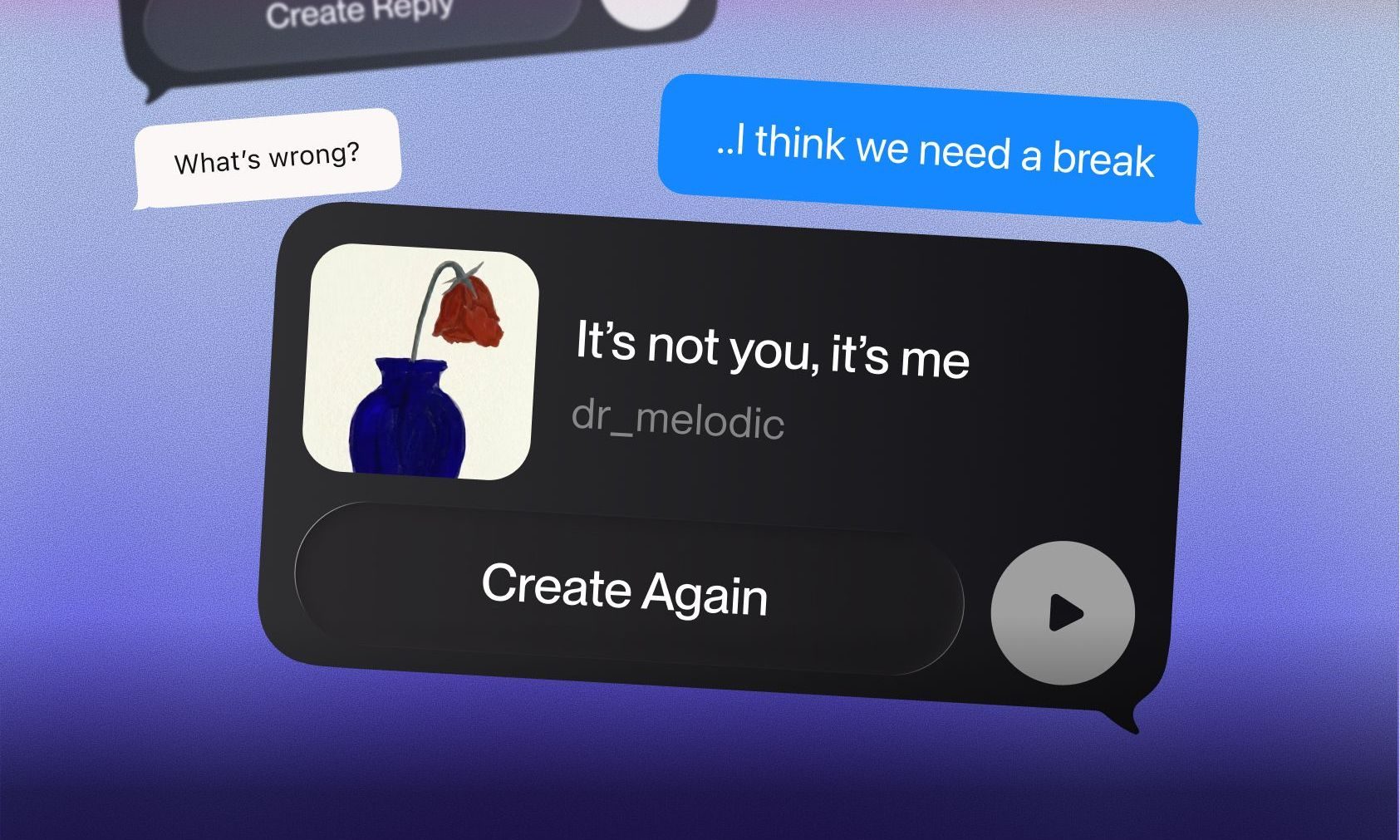
Suno has added an iMessage extension to its iOS app, letting users generate 30-second songs from voice recordings or typed prompts inside a Messages conversation.

The feature is available in the latest version of the Suno app and requires both people in the chat to have it installed. Users can access Suno from the plus menu in Messages, create a track, and share it without opening the standalone app.

Read more