1. Home
  2. Computing
  3. Legacy Archives

SanDisk Ultra SSDs give current computers a boost

Add as a preferred source on Google
SanDisk Ultra SSD
Image used with permission by copyright holder

Flash-based solid-state drives (SSDs) used to high expensive storage options only for high-end systems—but has portable devices have taken off and the cost of flash storage has come down, SSDs are becoming very real storage options for everyday computer owners. And SanDisk is hoping some of those folks will want to augment or upgrade their existing computers with their new Sandisk Ultra SSDs, available in 60, 120, and 240 GB capacities and with performance specs that ought to give some renewed zing to an aging PC.

“Replacing a computer’s hard disk drive with the SanDisk Ultra SSD is more cost effective than buying a new PC,” said SanDisk director of product marketing Kent Perry, in a statement. “Our new SSD delivers greater speed and reliability than a hard disk drive at an affordable price.”

Recommended Videos

The SanDisk Ultra SSDs feature 280MB/s sequential read times and 270 MB/s sequential write speeds for fast system startups and app launch times, and sport a SATA 3Gb/s interface—SanDisk characterizes their performance as roughly double that of a 7200 RPM hard drive. Of course, with no moving parts the SSDs are both more durable and quieter than traditional hard drives, and also eat less power: just 0.43 Watts when active.

The SanDisk Ultra SSDs are available at retailers now in 60, 120, and 240 GB capacities for $129.99, $219.99, and $449.99, respectively. Sure, traditional hard drives still offer more storage for a lower price, but the performance of SSDs really can breath life into a system: one common strategy is to use a smaller SSD for the operating system and apps, while using traditional hard drives to storing all that bulky media like movies, music, and photos.

Geoff Duncan
Former Contributor
Geoff Duncan writes, programs, edits, plays music, and delights in making software misbehave. He's probably the only member…
Asus’ latest Zenbook puts a seriously bright OLED screen inside an impossibly slim body
The Zenbook 14 Air is only 11mm thick but still packs a 77Wh battery
Computer, Electronics, Laptop

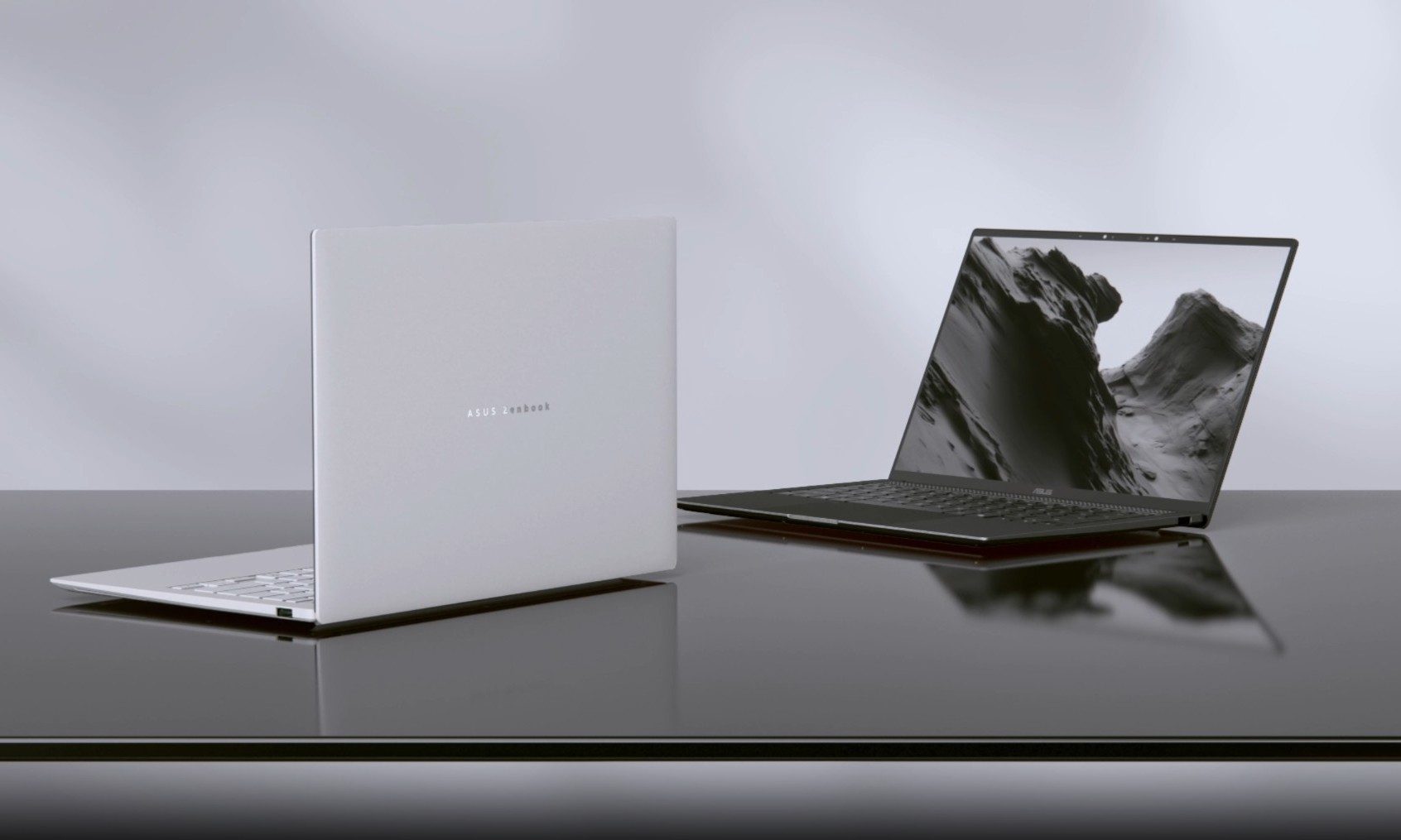
Asus has introduced a new AMD-powered version of the Zenbook 14 Air 2026, combining a bright OLED display and a large battery inside an 11mm-thick chassis. It weighs 1.19kg, keeping it firmly in ultraportable territory despite the 77Wh battery inside.

The Zenbook 14 Air 2026 itself is not entirely new. Asus launched an Intel configuration powered by the Core Ultra 9 386H in China back in January. The latest version switches to AMD’s Ryzen AI 7 H 445 and is priced at CNY 9,999, or around $1,477. (via Notebookcheck)

Read more
Qualcomm is set to ratchet up chip prices in September, and your next gadget upgrade could bear the brunt
The price hike could touch every Snapdragon-powered device category.
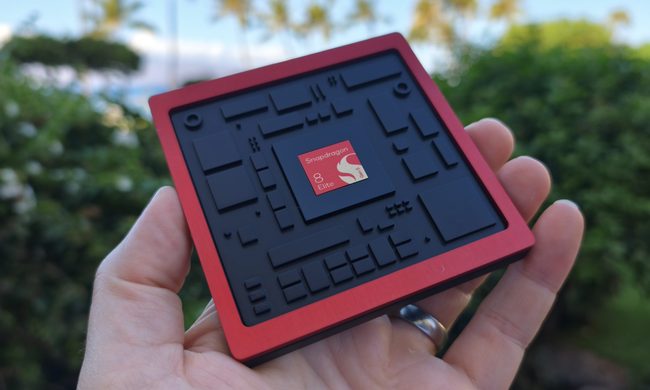
The new Qualcomm Snadragon 8 Elite Gen 5

I want you to sit with this for a second. Qualcomm, the company whose Snapdragon chips sit inside your Android phone and tablet, your Windows laptop, your Meta smart glasses, your Galaxy Watch, and your wireless earbuds, reportedly sent a letter to every major customer telling them prices are going up by double digits. 

The price hike will be in effect from September 1, 2026, a recent Bloomberg report claims. Essentially, all the companies placing their chip orders after that will pay a higher price. 

Read more