1. Home
  2. Computing
  3. News

The Ryzen TPM stuttering bug is finally fixed on Windows 11

Add as a preferred source on Google

A bugged implementation of firmware-based Trusted Platform Module (or TPM), something users normally need in order to use Windows 11, has been plaguing AMD Ryzen users for some time. But finally, AMD and its motherboard partners are rolling out BIOS updates that completely patch the bug, though at the moment not all boards have received the patch.

TPM can run either in the firmware of the motherboard (where the BIOS is stored) or on its own dedicated hardware, and in order to use Windows 11 TPM must be enabled. Ryzen CPUs experienced stuttering with TPM enabled, causing AMD to recommend users disable the security feature.

An Asus TPM chip in motherboard.
A TPM is usually soldered to the motherboard, but add-on modules are available, too. Image used with permission by copyright holder

Unpatched Ryzen PCs that have firmware TPM suffer from severe stutter when the TPM is doing work in the background. It’s a CPU and motherboard issue, not a Windows issue, and although the bug has existed for a while, it only became a problem when users started upgrading to Windows 11. Windows 11 requires TPM to be enabled.

Recommended Videos

The only way to fix the stuttering bug without disabling TPM is to get a hardware-based module and stick it on the motherboard. Users who disable TPM can still use Windows 11, but without future updates. Obviously, that wasn’t acceptable for the vast majority of users, which is why AMD and motherboard makers are pushing out BIOS updates that fix the bug and allow firmware-based TPM to be used without issues.

This isn’t the first issue Windows 11 has had with Ryzen processors (even the best Ryzen CPUs). Near launch, AMD warned that Windows 11 could slow gaming performance by up to 15%, for instance. Thankfully this issue, among others, has been fixed since launch.

How to fix TPM stuttering on Windows 11

The BIOSes that contain the bug fix have the AGESA version 1207 or 1.2.0.7 microcode. Microcode updates come directly from AMD and are sent to the company’s motherboard partners, and from there it’s up to them to distribute the new microcode in the form of new BIOS updates. This means that each individual board will get its own update, so not all motherboards have gotten or will get the new AGESA microcode at the same time.

Most motherboards have already received BIOS updates with the bug fix. According to Tom’s Hardware, many vendors such as MSI and Gigabyte have already updated nearly every single AMD motherboard they’ve ever released. But some motherboards have yet to receive an update, and there’s no telling when exactly these stragglers will finally get a new BIOS with the patch. Hopefully, every Ryzen motherboard will get an update at some point.

If you buy a new motherboard, it will likely come with the microcode update. If not, make sure to read our guide on how to update your BIOS to fix Ryzen stuttering on Windows 11.

Matthew Connatser
Former Computing Writer
Matthew Connatser is a freelance writer who works on writing and updating PC guides at Digital Trends. He first got into PCs…
Amazon wants to design in-house chips for Kindles, Fire TV, and Echo speakers
Apple did it first. Amazon is doing it now, starting with 40 million chips a year and a partner most people have never heard of.
Amazon Kindle Scribe dark mode featured image.

Apple's decision to design its own chips reshaped the consumer electronics industry. Amazon may be about to make the same call, just about two decades later.

Supply chain analyst Ming-Chi Kuo reports that Amazon is preparing to shift away from externally sourced processors for its consumer electronics lineup, marking what he describes as the company's first major processor procurement change in 20 years. The transition is expected to begin in 2027.

Read more
AI wants to summarize it all. TripAdvisor’s misleading reviews show AI will also ruin your travel plans
Spotless, friendly, and totally wrong. AI summaries are hiding the reviews that actually matter.
Tripadvisor logo on MacBook

Planning a trip is stressful enough without wondering if the glowing hotel summary you just read was written by an AI that skipped the scary parts. As it turns out, that might be exactly what's happening on TripAdvisor.

According to an investigation by consumer group Which?, reported by the Guardian, TripAdvisor's AI-generated review summaries are smoothing over serious guest complaints, and in some cases, downright dangerous ones.

Read more
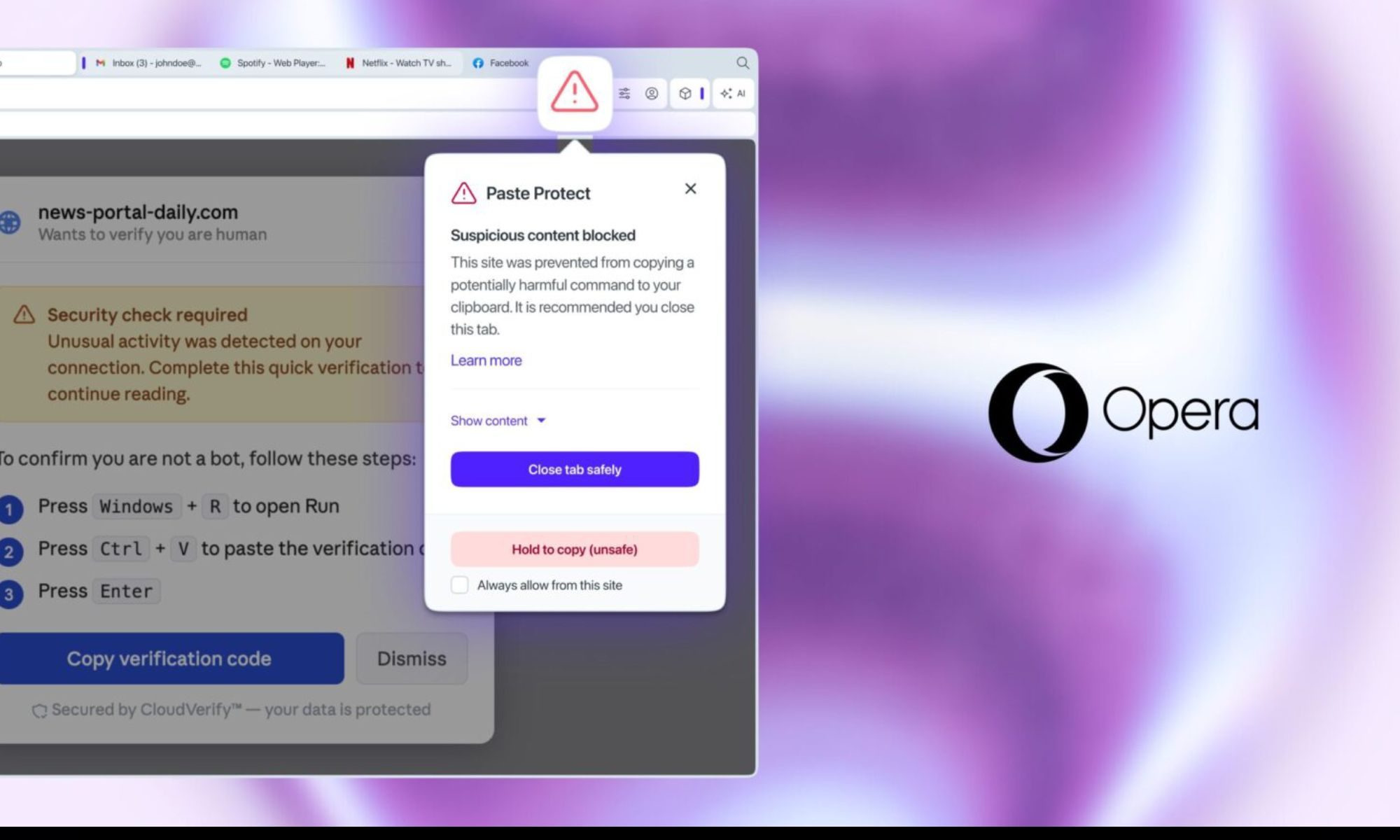
Opera’s new Paste Protect feature stops the clipboard attack your antivirus can’t catch
ClickFix attacks trick you into compromising your own device, and no major browser had a native defense against them until now.
Opera Paste Protect featured

Most online scams are easy enough to spot once you know what to look for. Fake login pages, suspicious attachments, or urgent wire transfer requests are dead giveaways. But ClickFix doesn't look like any of them. It presents itself as a solution, and it asks you to do something so routine that few people think twice about it.

The technique was behind more than 53 percent of malware loader incidents last year, according to cybersecurity firm Huntress, and no major browser had a native defense against it until now. Opera is fixing that with a new feature called Paste Protect.

Read more