1. Home
  2. Emerging Tech
  3. Legacy Archives

The hoverboard is finally real (and kind of silly looking) [video]

Add as a preferred source on Google

It’s been nearly 22 year since Back to the Future 2 hit the big screen. And since then, we’ve dreamed of the day when we could step foot upon our very own hoverboard. Well, folks, that day has finally arrived, and it looks… well, it looks a little bit ridiculous, to be honest. 

Created by science students at Paris Diderot University, this hoverboard appears to use quantum levitation to float above the ground — something DT‘s very own Jeff Van Camp totally saw coming. Quantum levitation works by cooling a superconductor to a temperature of at least -301 degrees Fahrenheit with the help of some liquid nitrogen. When placed near a magnet, the magnetic field becomes trapped within the super-cold superconductor, which holds the superconductor in place. 

Recommended Videos

Now, we have to say, this hoverboard isn’t exactly what we had in mind. We’re thinking more cruising down the street, or over a lake, not standing awkwardly in a room while everyone waits for us to screw up. Also, in our fantasies, our hoverboard doesn’t have a chimney. Weird, we know. But that’s just how we envision it. 

Still, this is one of the best working prototypes we’ve ever seen. If only we could get the Department of Transportation to embed magnets in all the roads and sidewalks, and then set up vats of liquid nitrogen ever 15 feet or so, then perhaps we’d really be on to something. 

Either that, or we can just wait a bit longer, and perhaps science will invent something closer to the hoverboard of our dreams.


Andrew Couts
Features Editor for Digital Trends, Andrew Couts covers a wide swath of consumer technology topics, with particular focus on…
Yet another study says AI is bad for elections, and the rabbit hole gets worse
AI may be an election bomb waiting for someone to light the fuse
Voters cast their ballots on Election Day

Another election, another study has concluded that asking an AI chatbot for political guidance is a spectacularly bad idea. Research conducted during Hungary’s 2026 parliamentary election found that ChatGPT and Google Gemini offered not just inaccurate but also inconsistent and unreliable voting advice. The chatbots misclassified voter profiles, overlooked relevant parties, recommended parties absent from the ballot, and sometimes produced materially different answers when given the same information repeatedly.

AI keeps failing the voter test

Read more
Samsung’s humanoid robot ambitions are real, but factories come first
Samsung’s new robotics division has humanoids in its sights, although its immediate business is far more practical factory automation
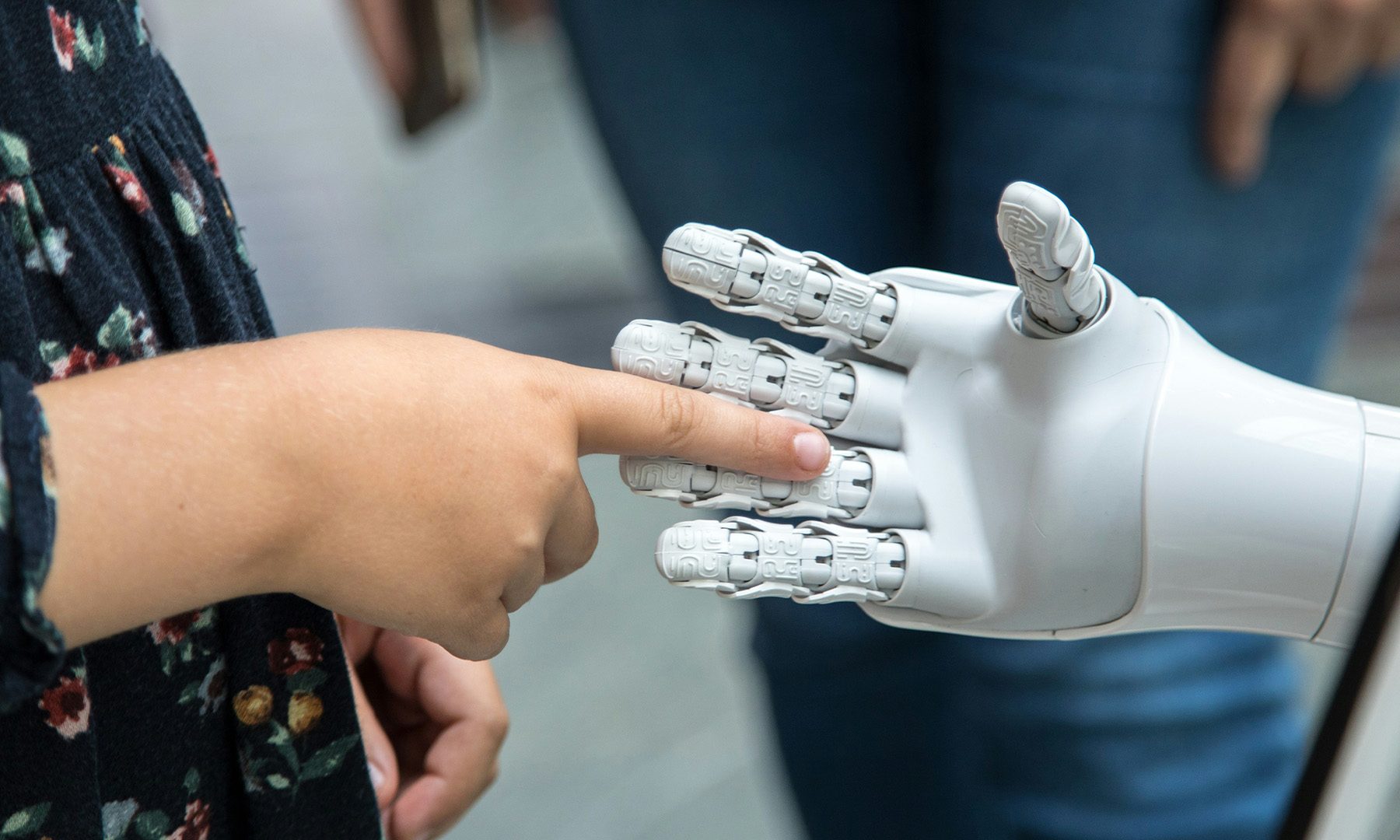
Robot Touch Human Finger

Samsung wants a place in the humanoid race, but its new robotics push begins with machines built for factories rather than homes.

The CEO-led RX robotics division will initially focus on manufacturing robots. Samsung has separately identified humanoids as a priority, although it hasn’t announced a commercial model or explained where one fits into the division’s immediate plans.

Read more
The future of AI may depend on this one behind-the-scenes change
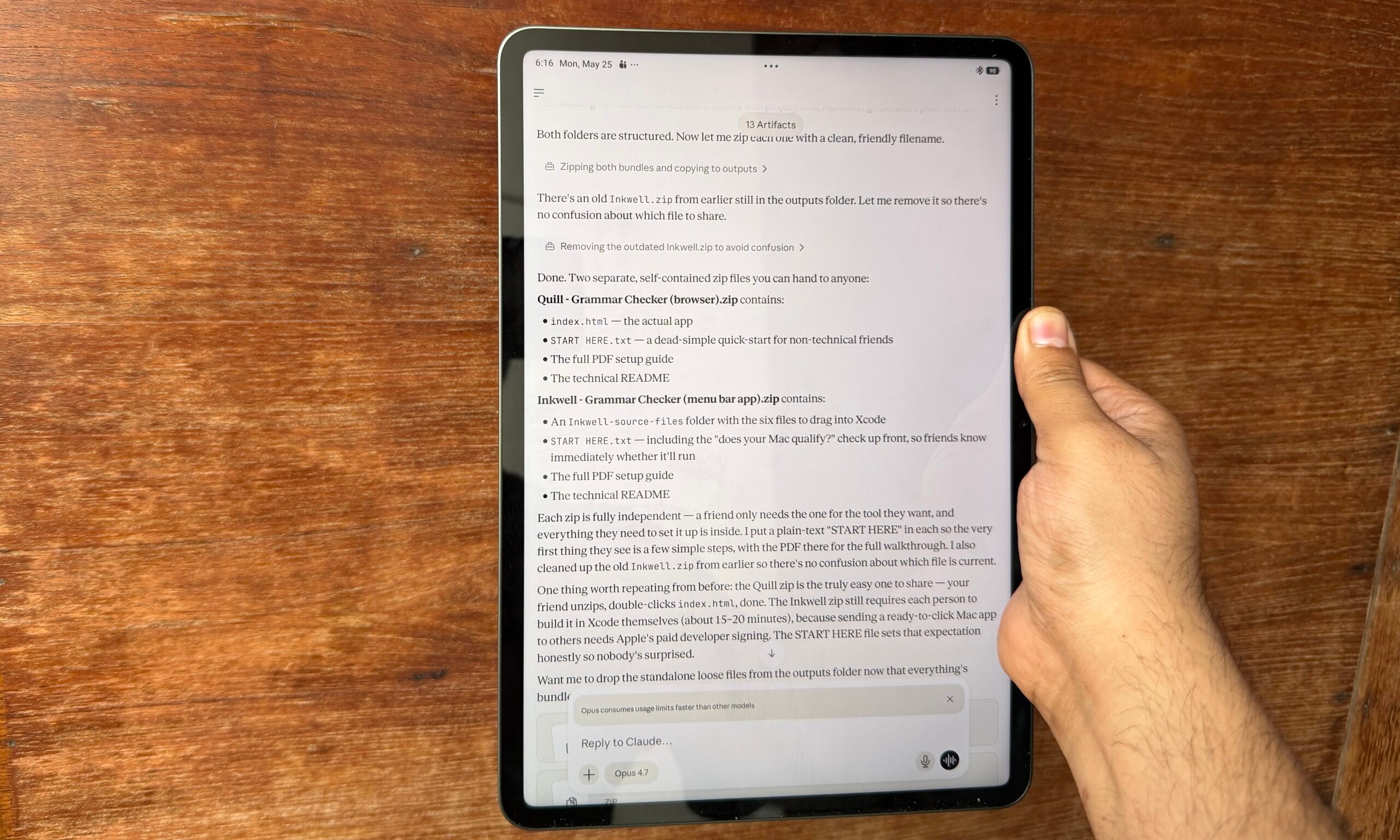
Running Claude on Android.

Whenever a new AI model arrives, it's easy to get caught up in the bells and whistles. We talk about how much smarter it is, how quickly it answers questions, or how realistic its images have become. But here's the thing: none of that matters much if the AI can't reliably work with the apps and services people use every day.

That's why an upcoming update to the Model Context Protocol (MCP) caught my attention. It isn't a new chatbot or a fancy AI model. In fact, most people will never even know it's happening. But it could quietly make the AI ecosystem a lot healthier. If you've never heard of MCP before, don't worry. Think of it as a shared language that lets AI assistants safely talk to apps like Gmail, Slack, calendars, databases, and countless other services. Instead of every company inventing its own way to make those connections, MCP gives everyone a common rulebook.

Read more