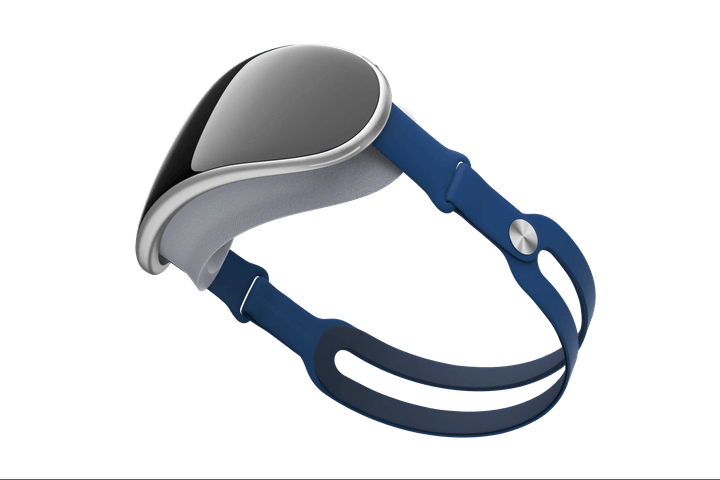
Apple’s upcoming mixed-reality headset risks becoming a “high-profile flop” due to its high price and the wariness of potential customers. That’s according to a new report from Bloomberg’s Mark Gurman, who lays out numerous hurdles the headset has to clear if it isn’t to end up an embarrassment for Apple.
So far, most leaks and rumors surrounding the headset have been more or less positive, touting the highly advanced technology the product is said to contain. The price, however, has been a point of contention, and it is that point that could drag down Apple’s efforts, the report claims.
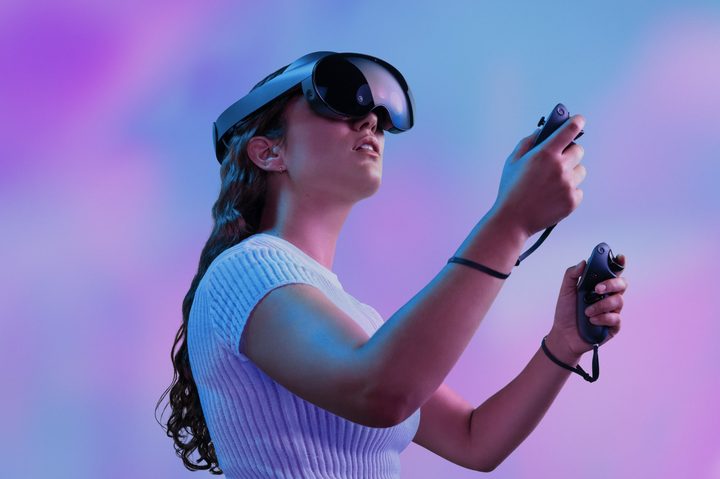
Apple’s headset, potentially dubbed Reality Pro, is expected to launch at a special spring event and cost around $3,000. That will make it a very expensive proposition — double the price of the Meta Quest Pro — which could limit its appeal to consumers.
That on its own might not condemn the Reality Pro if Apple is able to offer a compelling reason to buy the device or lower the price before too long. But there’s another issue that could prove a major sticking point: the lack of appetite for mixed-reality devices from the general public.
Unlike the iPhone, Apple’s headset is not entering a mature market with a far superior product compared to rivals. While Gurman believes the device will be “a marvel and far more advanced than anything else on the market,” mixed-reality headsets are still a very niche, almost embryonic product category. There is not an overwhelming demand from the public for more devices, and those headsets that have launched have struggled for mass-market adoption.
A potential ‘bomb’
Gurman doesn’t think Apple’s headset yet has a “killer app” that will attract customers. For one thing, it “probably won’t be better than the iPhone or iPad at anything other than video watching and FaceTime, and I don’t think there are many consumers willing to pay $3,000 for that,” Gurman states.
As well as that, the headset is only expected to last around two hours per charge, will not work well outdoors, and could have a limited selection of apps and games on launch. Those drawbacks will all make it harder for Apple to convince potential customers to part with their cash.
Power On: Apple’s upcoming mixed-reality headset will be nothing like the original iPod, iPhone, iPad and Apple Watch and put the company’s reputation as a guaranteed hit maker on the line. Here’s why — https://t.co/Ah4HnctHeh
— Mark Gurman (@markgurman) January 29, 2023
In order to avoid its headset becoming a “bomb,” Gurman outlines three things Apple will need to do: lower the price, enlist developers to build compelling apps for the platform, and position the headset as a “developer prototype” that exists to prepare people for the future.
While rumors suggest Apple is working on a cheaper headset, the Reality Pro’s product positioning could be a problem. Apple’s marketing team “isn’t accustomed to downplaying the launch of a new product,” but aiming the headset squarely at consumers instead of developers could mean it misses the mark.
The report still had some positive words for Apple’s efforts. The headset, Gurman said, will contain “an immense amount of new technology” that will place it far beyond what rivals can offer, making it one of the best virtual reality headsets on the market. But the road ahead is clearly still littered with obstacles. With just a few months until the headset’s predicted launch, we’ll have to see if Apple can pull the rabbit out of the hat — or be left with an expensive flop.