Video doorbells are much more versatile than traditional doorbells, offering an easy way to see who’s at the front door from the convenience of your smartphone. But all the high-tech gear inside these fancy smart home devices isn’t as low-maintenance as you’d expect. In fact, many of them use batteries that will wear out after just a few years, forcing you to replace them.
But aside from battery life, your video doorbell, as a whole, probably won’t last as long as a traditional doorbell — which often sticks with a home for decades. Here’s a closer look at how long your video doorbell will be supported by the manufacturer, along with tips to help you decide when it’s time for a full replacement.
How long are video doorbells supported by the manufacturer?
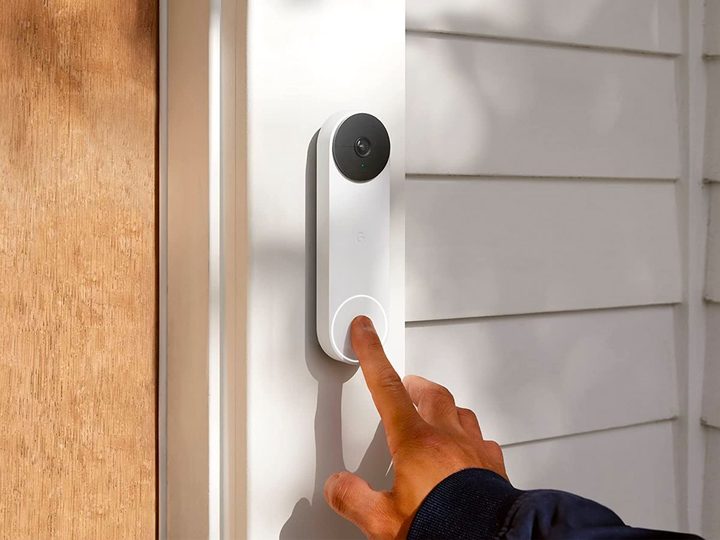
Video doorbells require various software updates to keep them running properly. These are typically pushed to your device automatically, but your video doorbell won’t be supported by the manufacturer forever. Most will get at least a few years of guaranteed support, but once it’s outdated and replaced with newer models, manufacturers tend to move on.
Google, for example, provides Nest updates for at least five years from the date the device first went on the market. So if you purchase a doorbell three years after it hits the market, you’re only guaranteed two years of automatic security updates. For the Nest Doorbell (battery), that means it’ll be supported until 2026. For the Nest Doorbell (wired), that’s 2027.
Ring’s support policy is slightly different. Instead of counting the days from when the product first emerged on the market, Ring offers four years of security updates from the last day the device is available on its website. For more details, check out the official Ring support page.
In general, you can expect at least five years of support for video doorbells. This can vary dramatically based on your product and manufacturer, and it’s highly recommended to check the FAQ and support pages for your prospective product before making a purchase.
How long do video doorbells last?

Once a company ends security support for a video doorbell, it’s usually still possible to keep running the device. You may run into issues — and you may not be comfortable using a device that could be vulnerable to hackers — but there typically isn’t anything stopping you from using an older product despite a lack of manufacturer support.
As for how many years a video doorbell will last before finally breaking — it’s hard to say. It’s possible for a video doorbell to last for years after entering the “end of life” phase, serving you without issue for a very, very long time.
However, it’s highly recommended you replace your video doorbell once it stops receiving support from the manufacturer. Manufacturer updates are there to keep things running as intended and prevent any security issues from arising.
And if you’re using an old device with little support, you’re not likely to have a smooth experience with your video doorbell.
In other words, you can expect to get around five years out of a video doorbell before needing a replacement. If you’re using a battery-powered doorbell that’s starting to act funny, consider replacing just the battery instead of the entire doorbell. This should give you a bit more longevity.