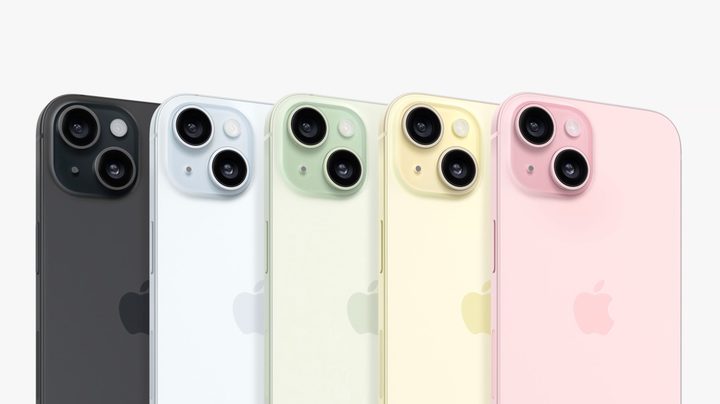
For years, the base iPhones have been treated like an afterthought – so much so that Apple moved to limit the processor upgrades to the Pro variants last year. As a result, the iPhone 14 was eerily similar to the iPhone 13.
But things have changed with the iPhone 15 this year. In my opinion, the iPhone 15 is the biggest non-Pro iPhone upgrade in three years. In fact, it was the star of Apple’s iPhone 15 event for me — even over the more powerful iPhone 15 Pro. Here’s why
Why the iPhone 15 is such a big upgrade
Apple has added tons of features from the iPhone 14 Pro to the iPhone 15. First up, it is powered by the same A16 Bionic chipset as last year’s Pro models. This will help in better performance and, hopefully, battery efficiency when compared to the iPhone 14. This means the new base iPhone gets two high-performance cores that use 20% less power and a 5-core GPU that has 50% more memory bandwidth for smoother graphics while streaming videos and playing games.
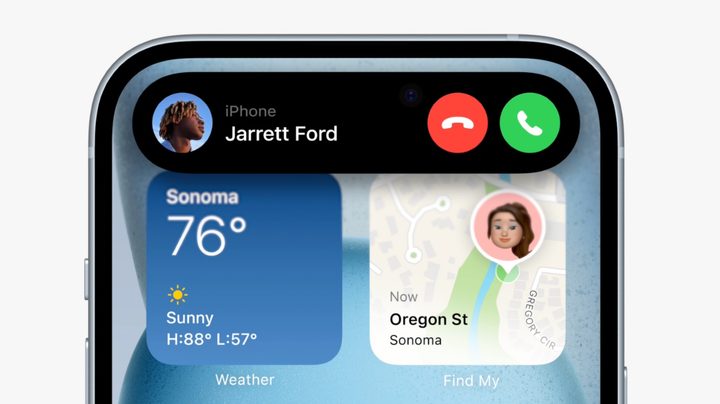
Another feature that Apple introduced and kept limited to the Pro series last year is the Dynamic Island, which is making its way to the iPhone 15 this year. I’ve had mixed experiences with Apple’s approach to this feature over the past year, but one thing I can’t deny is that the Dynamic Island has only matured over time.
The combination of the Dynamic Island and Live Activities makes for a seamless experience by negating the need for constant separate push notifications by having a dynamic live activity at the top of the display. I’m glad the feature is making its way to the non-Pro iPhone.
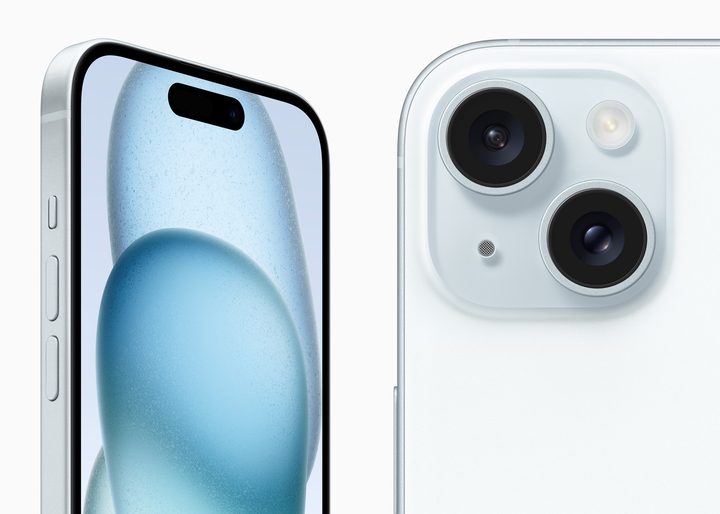
The iPhone 15 is also getting a 48MP primary camera – similar to the iPhone 14 Pro. While it’s not the same sensor, it will let you click super-high-resolution photos and zoom up to 2x, giving you three zoom levels with 0.5x, 1x, and 2x. The photos default to 24MP by default, but it’s a welcome upgrade.
You also get better HDR and “next-gen portraits” (the iPhone 14 Pro doesn’t have this). The latter means you can click portraits without switching to portrait mode because the iPhone 15 automatically captures depth information, so you can turn any photo into a portrait via the Photos app on iPhone, iPad, or Mac.
Apple is also adding new Smart HDR to the iPhone 15 that is claimed to deliver “more true-to-life renderings of skin tones while ensuring photos have brighter highlights, richer mid-tones, and deeper shadows,” but I’ll reserve my verdict until I use it because I’ve had issues with Apple’s HDR processing in the past. But it’s good to know that the company has worked on it.
The iPhone 15 also features the same display brightness as the iPhone 14 Pro from last year. It can now go up to 2,000 nits for better legibility outdoors.
A very pleasant surprise
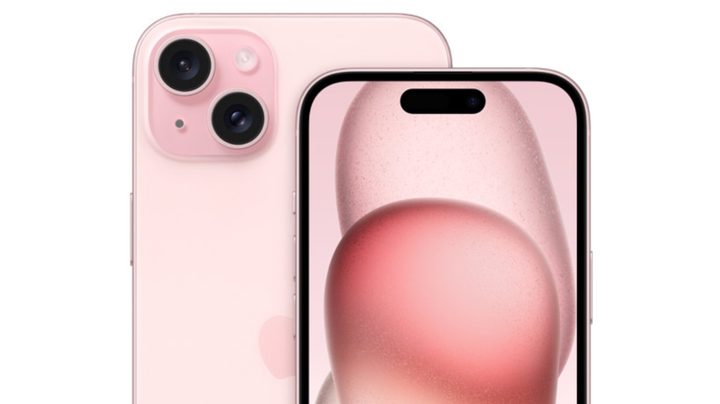
I was expecting Apple to add the Dynamic Island, a USB-C port, and an upgraded processor to the base iPhone and call it a day. But the company pulled a surprise by introducing a new camera system that is capable of 2x optical zoom, better HDR, next-gen Portrait mode, and more.
As you might have noticed, I drew iPhone comparisons with the iPhone 14 Pro instead of the regular iPhone 14 from last year. That in itself speaks volumes about the amount of upgrades that are packed into the base iPhone this year. I’d have liked to have seen a higher refresh rate than 60Hz, but I can give it a pass considering the iPhone 15 package as a whole.
With an upgraded processor, higher display brightness, a new camera sensor, and plenty of camera upgrades, I expect the iPhone 15 to be the best non-Pro iPhone upgrade in years.