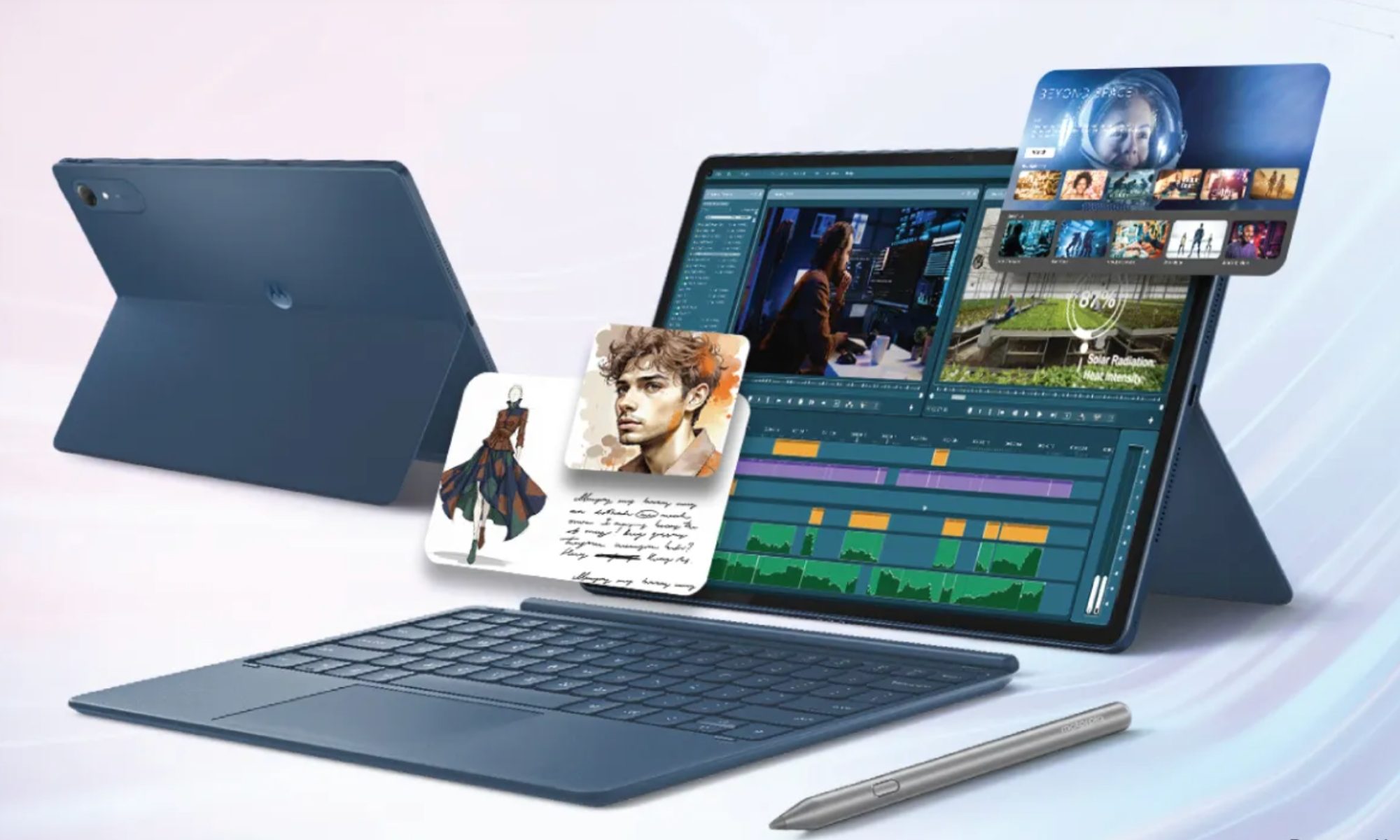
We’ve recently heard that Nvidia and AMD may soon be ready to launch their own ARM-based client processors. That, combined with predictions that ARM chips might account for up to 30% of the PC market in just a few years, sounds like worrying information for rivals. However, Intel appears to be anything but worried as it rides the high of its surprisingly good earnings. Is the threat of ARM chips really as insignificant as Intel’s CEO makes it out to be?
Right now, Intel dominates the client CPU market by a large margin, although AMD also makes some of the best processors and is a formidable competitor in its own right. Either way, both companies base their chips on the x86 system architecture. However, Microsoft has taken great interest in the ARM architecture over the years, and both AMD and Nvidia will soon be able to jump in. Until 2024, Qualcomm has an exclusive deal for making ARM-based chips for Windows devices, but when that deal is up, there’s nothing left to stop other manufacturers from making their own chips. With the path cleared and Qualcomm leading the charge, the transition to ARM for Windows machines seems more possible than ever.
For Intel, this could spell bad news. ARM has been proven to be successful in Apple’s M1 and M2 silicon, so it makes sense that other tech giants might want to capitalize on that. However, Intel CEO Pat Gelsinger seemed to be unbothered by the idea during a recent earnings call with investors.
“ARM and Windows client alternatives, generally they’ve been relegated to pretty insignificant roles in the PC business. We take all our competition seriously, but I think history is our guide here. We don’t see these as potentially being all that significant overall,” said Gelsinger.
Those are some big words considering that there have been many reports of ARM architecture growing significantly over the next few years. Market research firm Canalys predicted that ARM chips will make up around 30% of all PCs by 2026, while Microsoft pins it at around 25% by 2027. That’s not to mention the fact that Intel already lost its presence entirely on Mac to Apple’s own ARM chips.
At the same time, in a contradictory manner, Gelsinger seems to see some potential in ARM in relation to Intel’s own fabs. “Thinking about other alternative architectures like ARM, we also say ‘wow, what a great opportunity for our foundry business,'” he said during the call.
Overall, things are going well for Intel. According to Reuters, Intel has increased its revenue forecast for the third quarter of 2023, going up from $14.6 billion to $15.6 billion. Intel also expects a rise in profit per share, going up to about 44 cents from the previously estimated 32 cents.
Part of this is because the PC market is finally rebounding, with sales seemingly having reached a point of stability after the downward trend we’ve been seeing for a while now. While the data for the third quarter still shows a slight decline in the client PC market for Intel, the drop is a lot smaller than it was previously, falling by 3% to $7.9 billion.
If Intel’s predictions are wrong and ARM does, indeed, wrestle up to 30% of the PC client market away from its competitors, we might see a lot of variety in devices that operate using a system on a chip (SoC). The PC gaming sphere will likely remain unchanged, but it would be interesting to see SoCs built by AMD, Nvidia, and Qualcomm all competing against Intel silicon.