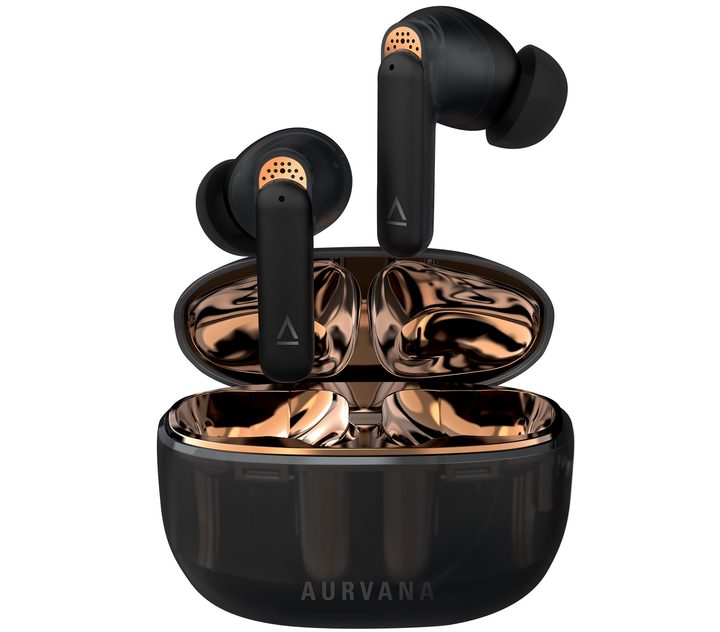
Creative has broken new ground in the wireless earbuds space. The company has announced that its upcoming Aurvana Ace and Aurvana Ace 2 noise-canceling wireless earbuds will use a hybrid dual-driver architecture featuring MEMS drivers from a company called xMEMS, making them the first products of their kind to employ this new audio technology. The Aurvana Ace has been prices at $130 while the Ace 2 is $150. Both will be available for preorder November 10.
What’s a MEMS driver?
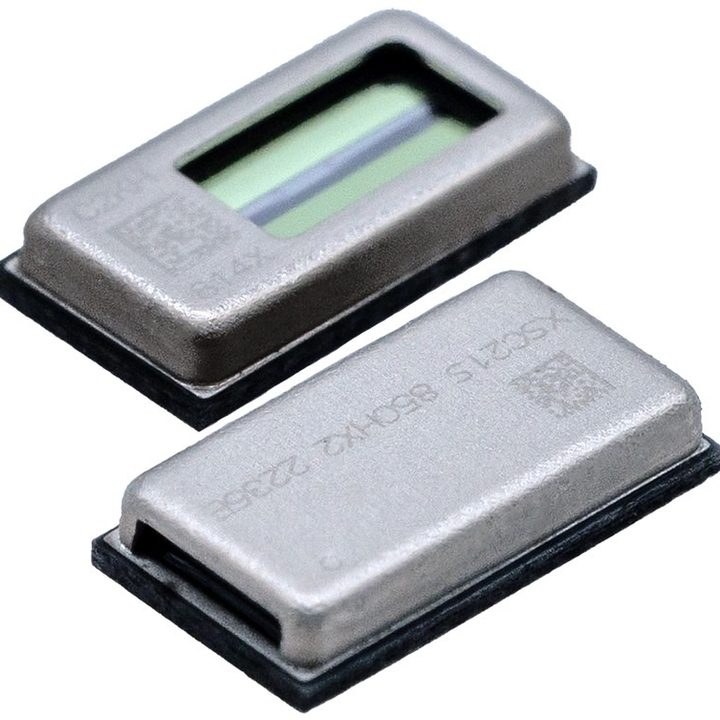
MEMS stands for micro-electromechanical system — essentially a tiny device that incorporates both non-moving electronics as well as moving mechanical parts. In the case of the xMEMS-designed audio drivers used in the Aurvana Ace, the moving part is a miniscule silicon membrane that can move air (and thus create sound) when an electrical signal is passed through the flap.
Though I have yet to hear a MEMS driver for myself, xMEMS says they possess a variety of advantages over existing driver technologies like dynamic, balanced armature, and planar magnetic. These include a huge frequency response range, ultrafast transient response (the ability to quickly shift from from one sound to another), more accurate sound reproduction, and to top it off, they’re tough as nails. With an IP58 rating, they’re fully dust and waterproof and can even withstand being tossed in a washing machine and/or a dryer.
Those are the benefits you and I are told we can enjoy, but for manufacturers, there are additional perks like a high degree of uniformity between drivers because they’re essentially created like microchips.
Why does the Aurvana Ace use two drivers?
In a sealed set of earbuds, like a pair of wired in-ear monitor (IEMs), it’s possible to use a single MEMS driver, but wireless, noise-canceling earbuds are partially vented. That venting exposes one of the few weaknesses of current MEMS driver technology — they can’t produce high enough sound pressure levels (SPL) needed in a vented earbud, especially at the low frequencies used by the majority of active noise cancellation (ANC) algorithms.
That’s why the Aurvana Ace and Ace 2 use a hybrid design — an xMEMS-built driver for the mids and highs, where the MEMS biggest advantages can be heard, and a standard 10mm dynamic driver for the lows, so that the needed SPL is available for ANC to work.
Creative Aurvana Ace
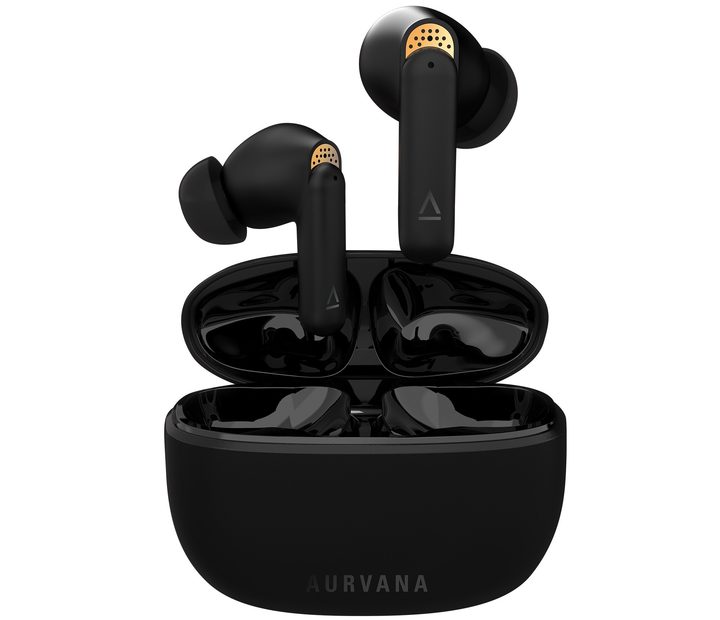
Design-wise, you’d never know that the Aurvana Ace don’t have the same kind of drivers inside as a set of Apple AirPods Pro. With the Ace’s stem-based shape, silicone eartips, and flip-top charging case, they even look a lot like Apple’s earbuds, if you squint your eyes and pretend they’re white.
They also have similar battery and charging specs. Both have wireless charging cases, and both will give you about 24 hours of total listening time.
But when you dig into the details, differences emerge. The Aurvana Ace support Bluetooth 5.3, including LE Audio and compatibility with the new LC3 codec for very low latency. Also supported are SBC, AAC, aptX, and aptX Adaptive when used with compatible phones.
Thanks to the combination of drivers, the Aurvana Ace has a huge frequency response range. Creative claims it’s 5Hz to 40kHz — well above (and below) the normal range of human hearing. The earbuds use hybrid ANC and have six mics for voice pickup during calls. They sport an IPX5 rating for water resistance.
Creative Aurvana Ace 2
The Ace 2 are nearly identical to the Ace, save for their translucent black plastic and copper-colored charging case inlays.
The bigger difference is that the Ace 2 have two extra Qualcomm technologies built-in: Snapdragon Sound for aptX Lossless for CD-quality audio when used with a lossless audio source and a compatible smartphone, plus Adaptive ANC. Unlike regular ANC, Adaptive ANC can make small adjustments to compensate for any irregularities in the seal between the earbud and your ear, as well as differences in external sounds.