My, but smartphones have gotten large, haven’t they? This certainly isn’t a controversial opinion, but it’s something that’s become particularly obvious to me after spending a few months with the Apple iPhone 15.
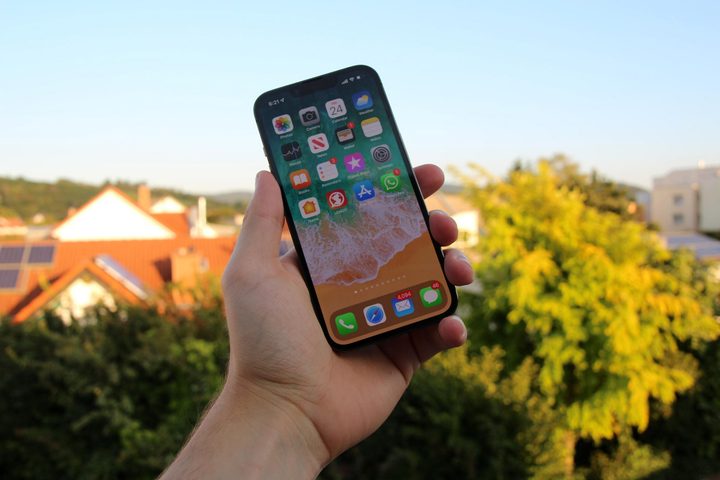
I was initially unsure about buying the iPhone 15. At just 148mm tall, it’s the smallest device I’ve owned since the Samsung Galaxy S8. Surely, my thought process went, going back to using a smaller phone with a smaller screen would be a real pain. I’d be lamenting the loss of my extra screen real estate while squinting at teeny-tiny YouTube videos.
Obviously, that’s ridiculous, as the iPhone 15 has a 6.1-inch display that’s large by anyone’s measure. But the smaller footprint is obvious, and horrendously, I’ve come to love it. This begs the question: Why can’t I buy a smaller, top-tier Android phone?
‘More powerful’ shouldn’t automatically mean big
To make it clear, I’m talking about smaller phones here — not small phones. There’s a big (pun not intended) difference. Small phones are generally thought of as those phones at or around 5 inches of display size. Some people miss them, which is fine, but I’m not one of those people. I’m firmly of the idea that the small phone is dead, and that’s because we want bigger phones we can do more on. Sure, that’s not true for everyone, but if Apple is unable to revive small phones with the iPhone 13 mini, then the compact form factor is just dead. Sorry.
No, I’m talking about smaller smartphones, which essentially comprise smartphones that don’t have the words “Plus” or “Ultra” in their names. I’m talking about the Apple iPhone 15 Pro, the Samsung Galaxy S23, and the Google Pixel 8 — phones with displays around 6 inches. On a casual reading, I’m replete with them. But there’s a clear divide, and it’s laid firmly across the operating system gap. The iPhone 15 Pro is a smaller version of the iPhone 15 Pro Max (discounting the different zoom lens), which isn’t something you can say about the two Android flagship phones mentioned above. If you don’t want a large phone, but do want to have the power and features of a Galaxy S23 Ultra or Pixel 8 Pro, well, tough. The smaller stablemates aren’t just smaller versions of the same phone. No, if you want a smaller flagship phone, that means it’s objectively lesser.
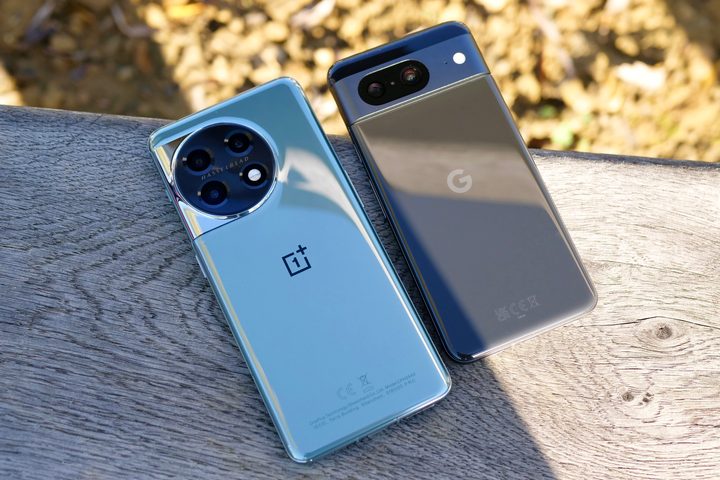
Some elements of this are understandable. For instance, the battery has to be smaller because it’s a smaller body. But does a smaller phone absolutely have to have an objectively worse camera system with a lower megapixel count? You can argue there needs to be sacrifices made due to the smaller size and price, but does there really? Why can’t the advantage of the S23 Ultra be the size rather than it objectively being the most powerful of the range?
When you think about it this way, you’re actively punished for wanting a smaller smartphone because there’s no real option to not be. Sure, how “punished” you actually are when you’re getting a powerful flagship smartphone with an excellent camera and years of performance is up for debate, but the point is you’re locked out of getting the most powerful option. If I want a more reasonably sized phone that fits into my pocket and isn’t a chore to juggle with one hand — sorry, that’s A Bad Thing, and that means you’re going to miss out on some new features or camera lenses.
That is unless you buy an iPhone. If I wanted a more powerful, but similarly sized iPhone, I could just buy an iPhone 15 Pro.
Smaller phones should have their place
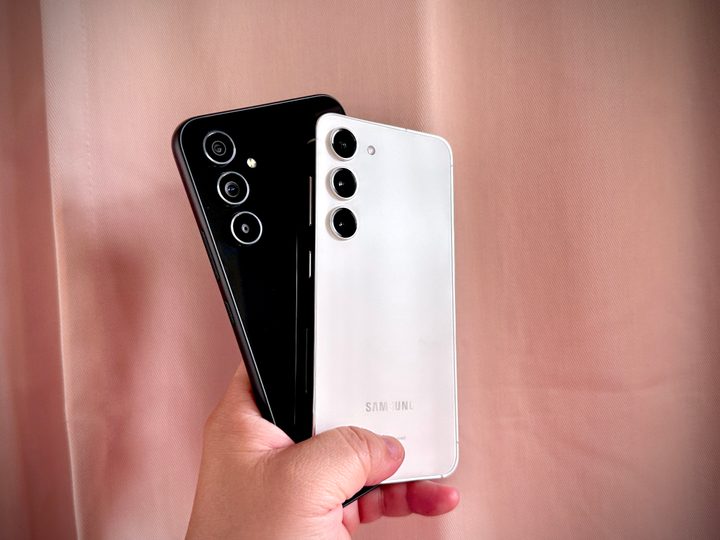
Apple lets you do it, so why doesn’t Samsung? There’s an argument that Google’s ecosystem can’t handle that volume of devices, but Samsung? Samsung’s current roster is enormous, and a smaller flagship device could easily slot in. Heck, with the S23 Ultra now proudly sporting the S Pen, make that the reason to buy the Ultra and close the gap further. Make each S-series phone comparable, but with a different ideal. The S23 is the small one, the Plus is the big one, and the Ultra is the workhorse with an even bigger screen and stylus support. Make them phones that suit different needs and don’t have an all-powerful, super-duper flagship floating above the supposedly flagship phones.
I can’t help but feel there’s a big ol’ gap in the market. The entirety of Android seems to have bought into the idea that better means bigger, and if you want to make a highly powered version of a phone, you have to make it bigger.
When it’s put like that, it does seem ridiculous. Sure, people don’t want small phones anymore, but would they buy smaller, just-as-powerful, and feature-rich variants of the biggest, most powerful phones around? Data on Apple’s sales volumes would say so, with the iPhone 14 Pro and Pro Max topping the sales for Apple’s phones in the first quarter of 2023.
There’s not even any need to add any new models to the ranges. Just pump up the existing flagship phones back to where they used to be — on top. Ultra-flagships were fun when they were very expensive concept devices trying out new ideas, but now that they’ve become just another part of the range, they’re devaluing the worth of the actual flagship models.
Having an iPhone 15 is great because it’s shown me that, yes, smaller flagship phones are excellent. But I just don’t have anywhere to go if I want a top-of-the-range Android flagship that’s not pocket-bustingly enormous. It’s time there was.