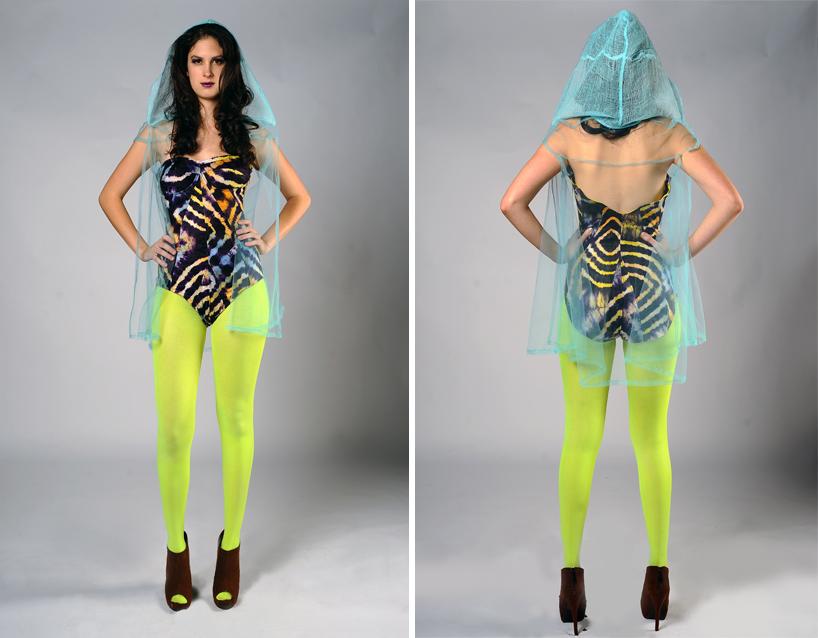
With summer arriving, the inevitable days of the pestering mosquitoes and bugs are upon us. Some people can handle bites despite them being annoying, but if you’re anything like me, bug bites are not only itchy, they can develop into allergic reactions that form giant bumps and swells. Still, remembering to apply bug repellent each time you step outside can be a hassle and harmful to your skin. What if the technology was instead embedded into your clothes?
Two fashion design students at Cornell University have joined hands to develop a fashion line that contains malaria-fighting protection intertwined within the fabrics. The collection named Njehringe was inspired by the ongoing outbreak of malaria in Africa, where the creators are both from. The design team said the textile contain the benefits of insecticide that is safe to wear yet three times stronger than your average bug repellent. The fabric is also durable and can last for up to six months of wear before losing effectiveness.
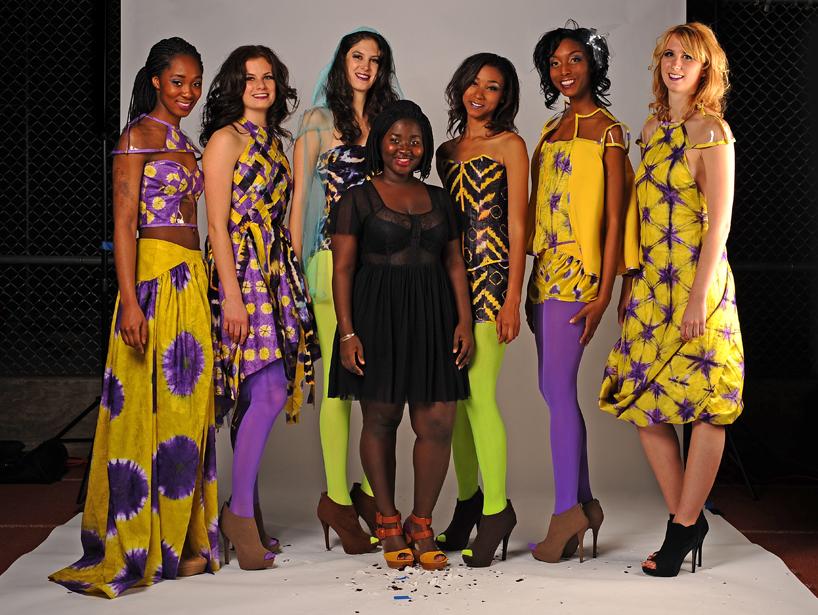 The scientific development of the textile was accomplished with the help of fiber scientists who treated the cotton fabrics with molecules to help the material bind to insecticides. The look of the fashion pieces were also not for fashion’s sake: The netted jacket draws inspiration from mosquito nets, and the prints were all hand-dyed locally in the villages of Gambia. Matilda Ceesay, one of the student designers of Njehringe, also said the silhouettes were an intersection between Africa and the western world to help develop a new, distinct look with old-world necessities.
“I began to imagine what would happen if a group of natives found a chest filled with underwear from the western world without ever having interacted with westerners. How would they recreate a chest filled with corsets, bloomers, girdles and night robes?” Ceesay told Designboom.
The designers hope to adapt the fiber technology so a mass production can help incorporate malaria-fighting powers to everyday clothes, with an estimate that collection could be available for sale within the next two years. While these Njehringe fashion pieces represent a certain quirk and style, we also hope a more casual selection of bug-repelling outfits will be around for daily wear.