1. Home
  2. Computing
  3. News

Digital Trends may earn a commission when you buy through links on our site. Why trust us?

Apple is hoping to one-up Meta with its own smart glasses

Add as a preferred source on Google
Person wearing Meta Orion smart glasses.
Meta

Apple has been stuck in an innovation rut for the past few years. Aside from the Vision Pro headset — which expectedly didn’t gain a mass reception — the company hasn’t made any notable hardware strides apart from its bread-and-butter mobility and computing portfolio. That could change in the next few years.

According to Bloomberg, Apple’s Vision Pro team is working on smart glasses to tackle the challenge presented by a resurgent Meta. The social media giant has already scored an early lead with the well-received Meta Ray-Ban smart glasses, which have steadily received meaningful social and AI upgrades.

Recommended Videos

Even more impressive was the showcase of Orion, the company’s first true Augmented Reality (AR) glasses, a few weeks ago. These glasses rely on Micro LED projectors and optical-grade silicon carbide for their wide-view display unit, custom silicon, and multilayer sensory tracking — all overlaid atop an AI-first software experience.

It’s arguably the “mainstream” XR tech that Apple should’ve made. Now, it seems Apple is eyeing just that in the long run, while treating the Vision Pro as the launch platform for its broader XR tech stack. “Into 2027, the team is considering launching smart glasses on par with the Meta Ray-Bans,” reports Bloomberg.
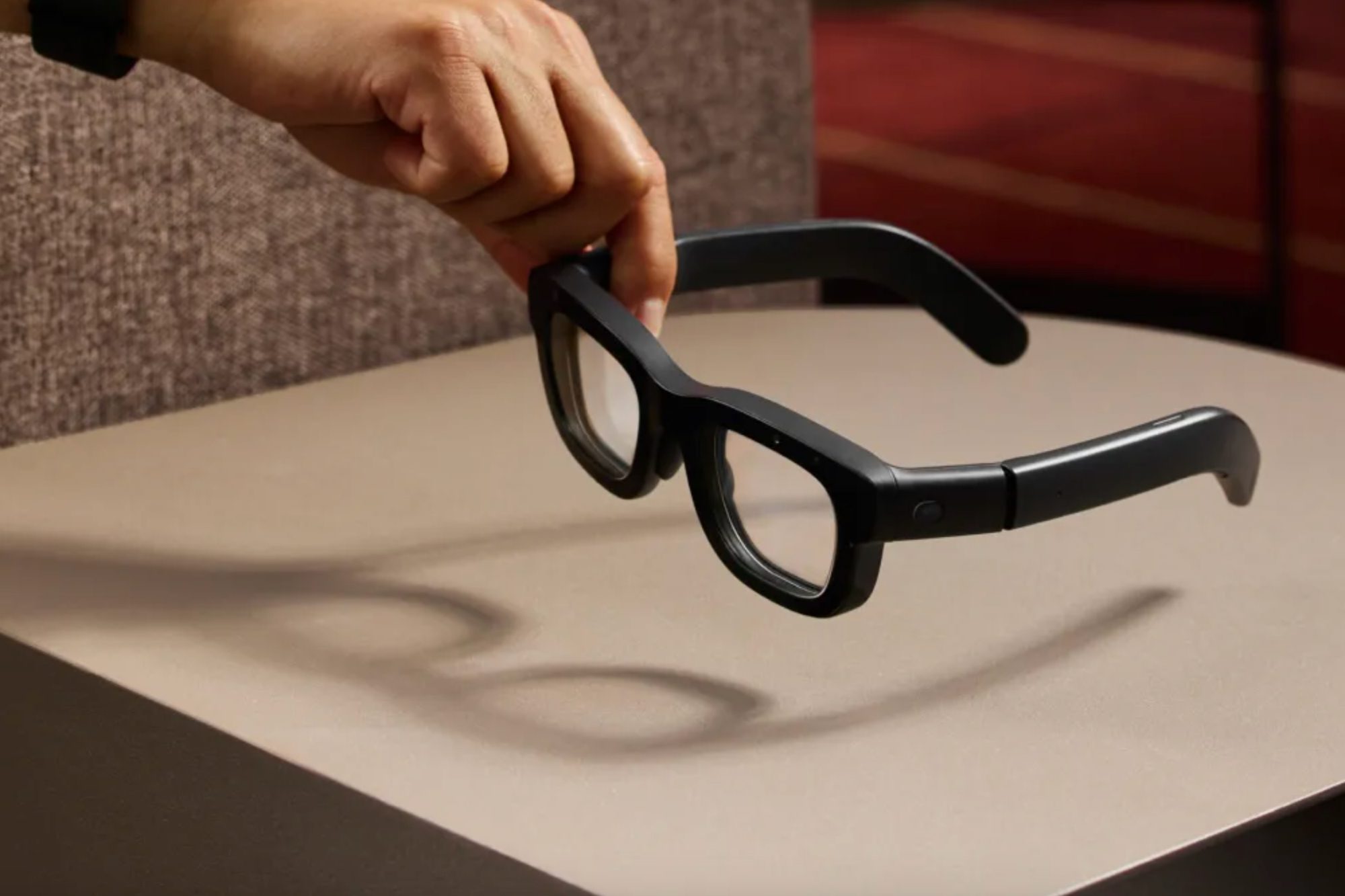
Meta Orion smart glasses in the hands of a person.
Meta

Notably, it seems Apple is chasing the same kind of world-understanding capabilities that are currently possible courtesy of generative AI tools like GPT-4o and Google Gemini. Meta’s own work with AI has been nothing short of impressive, and it was on full showcase during its futuristic Orion presentation.

For Apple, the inspiration would come from its pricey headset.“The plan is to bring the Vision Pro’s ability to understand its surroundings to more products,” adds the report. But it’s going to be a long wait until we see Apple’s take on the smart glass category.

The XR wearables industry is at somewhat of a pivotal point. On one hand, we have products like the Meta Quest 3s headset that are bringing premium features like color passthrough to a price point that is nearly one-tenth of what Apple commands for the Vision Pro.
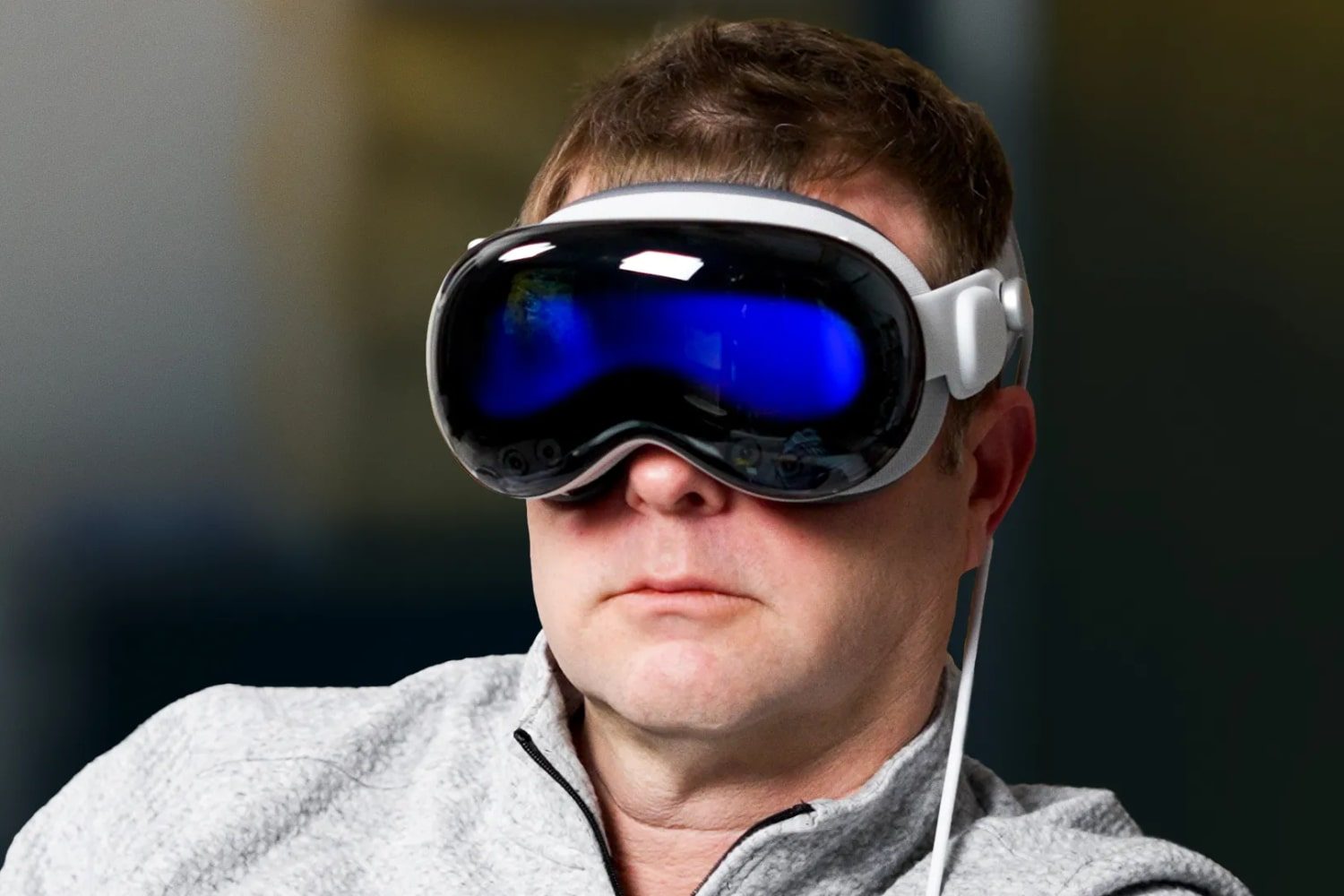
A person wearing an Apple Vision Pro headset.
Digital Trends

Then we have players like Xreal, Rokid, and RayNeo trying to make smart glasses that don’t look like nerdy gizmos. Yet, at the same time, we have giants like Microsoft shutting the doors on ambitious XR products like the HoloLens despite being at the forefront of the AI race.

It would be interesting to see just how Apple approaches its vision of smart glasses. But when it eventually pushes them to the market, it won’t be alone. To its credit, if there’s a hardware player that already has a solid software foundation to make such bold devices, it’s Apple, which also makes it the prime bet for mainstream success.


Nadeem Sarwar
Nadeem is the Managing Editor at Digital Trends.
AMD just made Ryzen laptop chips even more confusing, but here’s what’s actually new
The refreshed lineup brings more Zen 4 processors to mainstream and budget laptops.
AMD Ryzen 100 and 200 series

AMD has quietly expanded its mobile processor portfolio with 11 new Ryzen laptop processors, adding fresh models under both the Ryzen 200 and Ryzen 100 families. While that sounds straightforward enough, the bigger story isn't the chips themselves -- it's AMD's increasingly confusing naming strategy. The company has introduced seven new Ryzen 200 processors alongside four new Ryzen 100 models, but despite belonging to different series, many of them are actually built on the same Hawk Point silicon featuring Zen 4 CPU cores and RDNA 3 integrated graphics.

The Ryzen 200 series gets seven new CPUs

Read more
OpenAI is killing ChatGPT Atlas browser. I loved it, but it was an uphill race to the top
It was a trailblazer in a few ways, before it was copied down to its skeleton.
ChatGPT Atlas browser on a MacBook.

When OpenAI launched its own web browser, there was plenty of skepticism as to why a frontier AI lab is even bothering with making a browser in the first place. And yet, the company went ahead and launched ChatGPT Atlas with a heavy dosage of AI features built in. Well, the days of browser ambitions are over, and it will be put on cold ice in September this year.

OpenAI says it is sunsetting the short-lived browser in favor of pushing the new ChatGPT work desktop app, which already has a built-in browser as well as a cloud browser for AI agents. And now that ChatGPT is making its way to other browsers, such as Chrome, as an extension, there is little need for maintaining a dedicated browser project of its own.

Read more
Windows 11 Search is getting bigger, but only by 4 pixels
The change could be in preparation for the upcoming Ask Copilot feature
Windows 11 Laptop

If you have used Windows 11 Search after the June update, you may have noticed it feels a little less annoying. Microsoft recently made the Start menu and Search more responsive, and also fixed one of Search’s stranger limits by letting it find local files using just two characters.

Now, the company appears to be making a much smaller change. According to Windows Central, Microsoft accidentally revealed that the search box in the Taskbar and Start menu is getting 4 pixels taller. Four pixels sounds like the kind of change only a UI/UX designer could love, but screenshots from the Insider Preview build suggest it is visible once you know where to look.

Read more