1. Home
  2. Cars
  3. Emerging Tech
  4. News

Trump team in sync with Tesla on ending crash-reporting requirements, report says

Add as a preferred source on Google
Beta of Tesla's FSD in a car.
Image used with permission by copyright holder

The transition team of President-elect Donald Trump is planning to end existing car-crash reporting requirements to safety regulators, according to a Reuters report.

The report cites a document obtained by Reuters that lays out the transition team’s 100-day strategy for automotive policy. In the document, the team says the crash-reporting requirement leads to “excessive” data collection, Reuters says.

Recommended Videos

The requirement has been denounced by Tesla CEO Elon Musk, who has spent over a quarter billion dollars to help Trump get elected. Musk has also been nominated by Trump to lead what would be a newly created Department of Government Efficiency.

The existing federal crash-reporting program has been in place since 2021. Under the program, Tesla has reported most of the crashes, or more than 1,500, to safety regulators, according to Reuters. Analysis of the crash data from the National Highway Traffic Safety Administration (NHTSA) also revealed Tesla accounted for 40 out of 45 fatal crashes reported to regulators through October 15.

The automaker has come under the scrutiny of NHTSA over its so-called Full Self-Driving software (FSD). In October, regulators opened an investigation into 2.4 million Tesla vehicles equipped with FSD. The regulator has also asked Tesla to stop making misleading claims about FSD’s autonomous capability and reaffirm that the software provides only a driver assist/support system.

NHTSA’s data from the program has also led to 10 investigations into six companies and nine safety recalls.

In September, NHTSA fined Cruise, the robotaxi startup owned by General Motors, for failing to report a 2023 incident. GM announced this week that it would stop developing Cruise as a single entity and instead focus on a single unit focused on autonomous and assisted driving.

Last month, it was reported that the Trump administration plans to make a federal framework for self-driving vehicles a top priority for the Department of Transportation. New rules under discussion would not only ease regulations around self-driving vehicles but also raise the cap on the number of autonomous vehicles allowed on public roads.

Nick Godt
Former Freelance reporter
Nick Godt has covered global business news on three continents for over 25 years.
Google Maps’ biggest Android Auto upgrade is reaching more users
Google Maps is finally giving Android Auto users directions with a little more drama.
Electronics, GPS, Car

Google is widening the rollout of two long-awaited Google Maps features for Android Auto users: Immersive Navigation and a built-in live speedometer. After months of limited availability, reports suggest both features are now reaching a broader group of users, including people running stable versions of Google Maps instead of beta builds.

The update is part of Google's ongoing effort to modernize the Android Auto navigation experience. While the company unveiled Immersive Navigation earlier this year as one of the platform's biggest upgrades in years, the feature has been trickling out slowly, leaving many users without access. That appears to be changing, with more devices now receiving the update through a server-side rollout.

Read more
Tesla’s hidden door problem might end up fixing every car in America
This could permanently change how emergency exits are designed in American passenger vehicles.
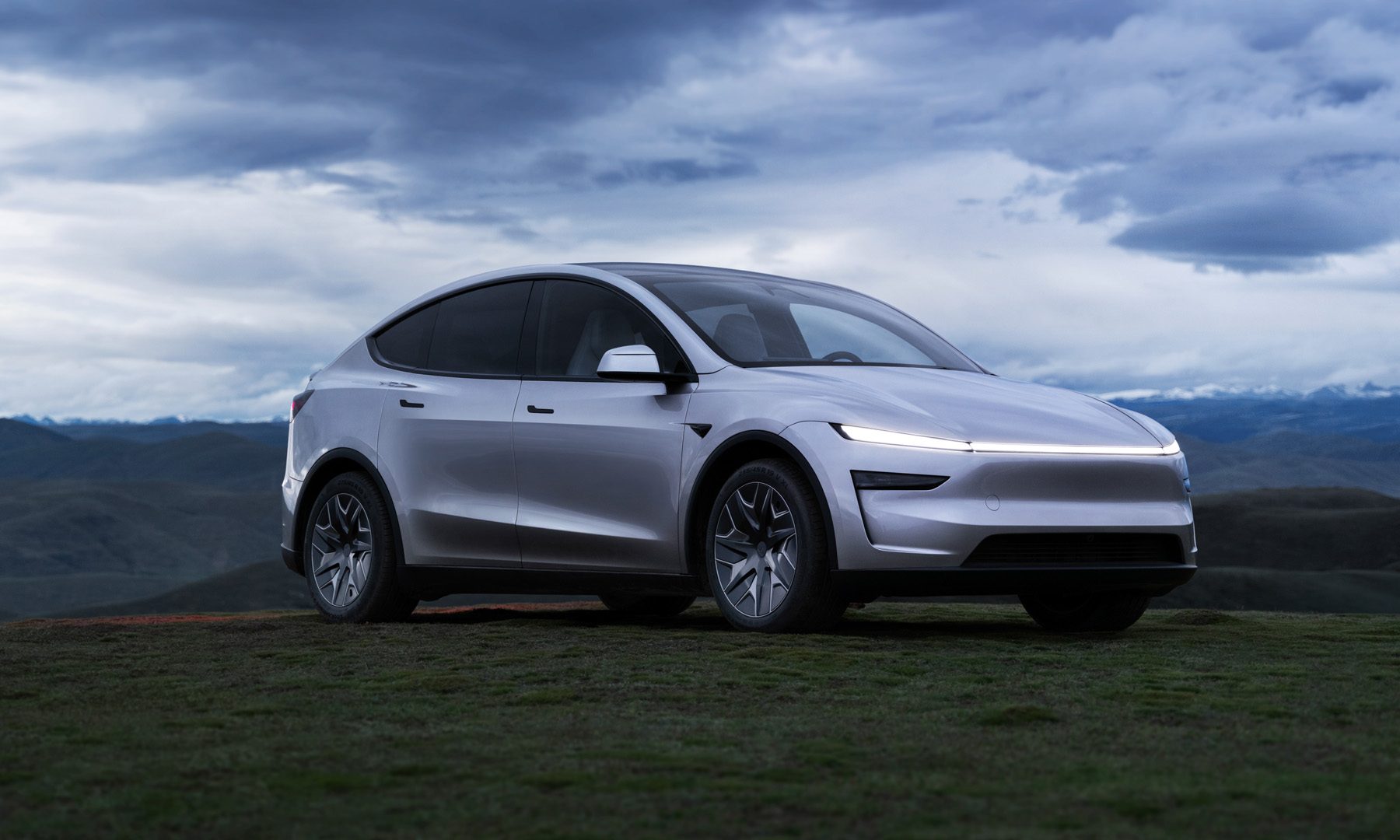
Tesla Model Y Long Wheelbase Featured

Tesla's electronic door handles have been a safety talking point for years, mostly on Reddit threads and EV forums where people debate whether sleek design is worth the tradeoff when a car is on fire and power is out. 

Now the US government has formally weighed in (via The Washington Post). The outcome, I’d say, is bigger than most people think.

Read more
Ford’s UEV platform will feature Apple Maps built in
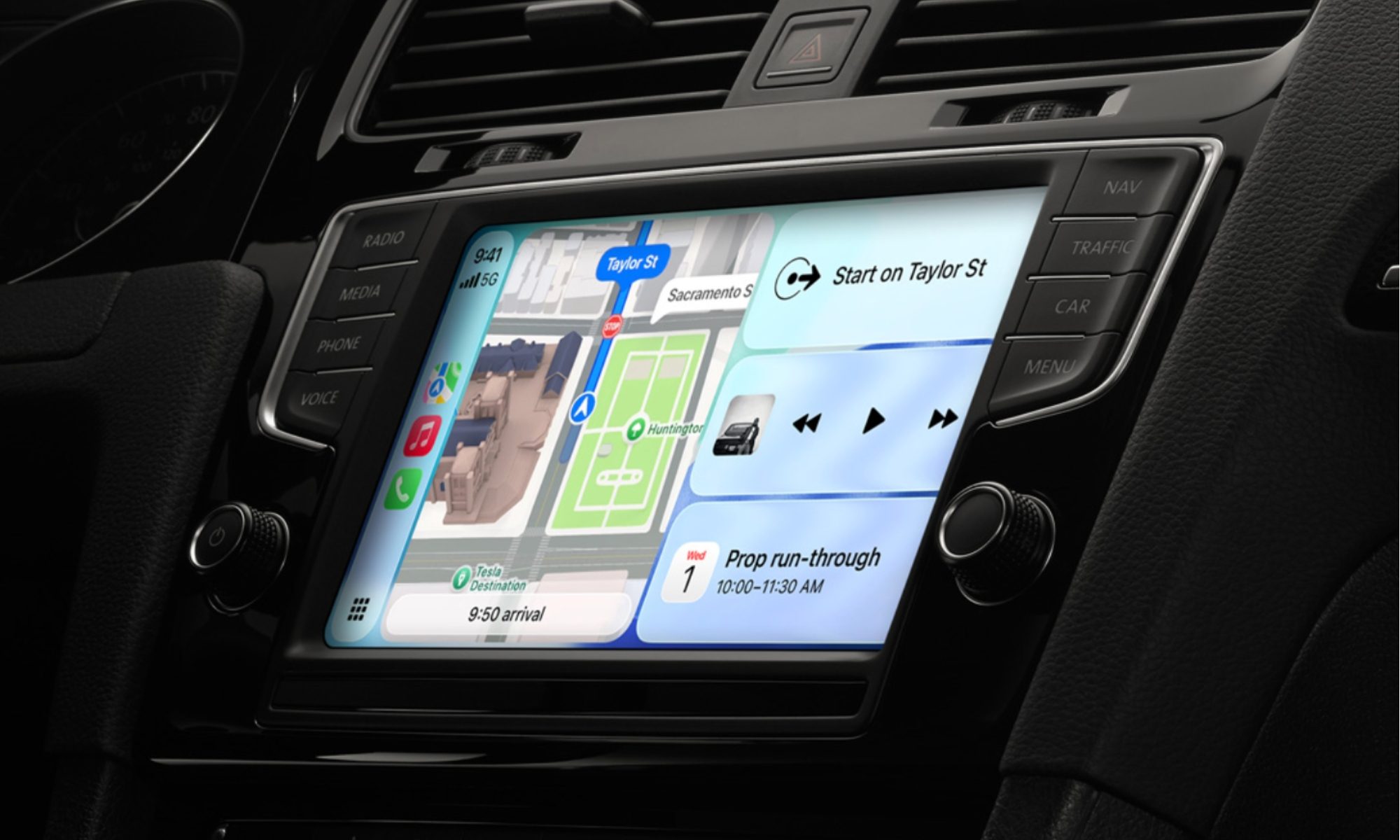
The integration will run through Apple's new MapKit for Automotive SDK and skip CarPlay's phone-mirroring approach.
Car, Transportation, Vehicle

Ford's upcoming budget electric vehicle won't force you to choose between a built-in map and one borrowed from your phone. Apple announced today that Ford's Universal Electric Vehicle (UEV) platform will ship with Apple Maps running natively on the car's screens. The feature will arrive in 2027 through Apple's new MapKit for Automotive SDK, a toolkit that lets automakers build Apple Maps straight into their dashboards.

An infotainment system that doesn't need your phone plugged in

Read more