  1. Home
  2. Phones
  3. Mobile
  4. News

Samsung and Apple’s race to slim phones might skirt the sticker shock

Add as a preferred source on Google
Samsung Galaxy S24 and iPhone 16 Pro side by side.
Nadeem Sarwar / Digital Trends

Over the course of the past few months, numerous outlets have reported on Samsung and Apple’s plans to make “slim” phones. Naturally, one would think that an “innovation tax” is imminent, but it seems these skinny phones won’t deliver a price shock.

In Apple’s case, the alleged iPhone 17 Air will replace the iPhone Plus model, which apparently had an unexpectedly low sales run. Apple, therefore, has to fill the Plus gap with an Air model this year without making any big changes to the pricing structure.

Recommended Videos

“The Plus model was stuck in the middle, so its identity was ambiguous, and its sales were the worst. By changing it to a slim model, they were able to adopt a pricing policy at the Plus level,” an industry insider was quoted as saying by Sisa Journal.
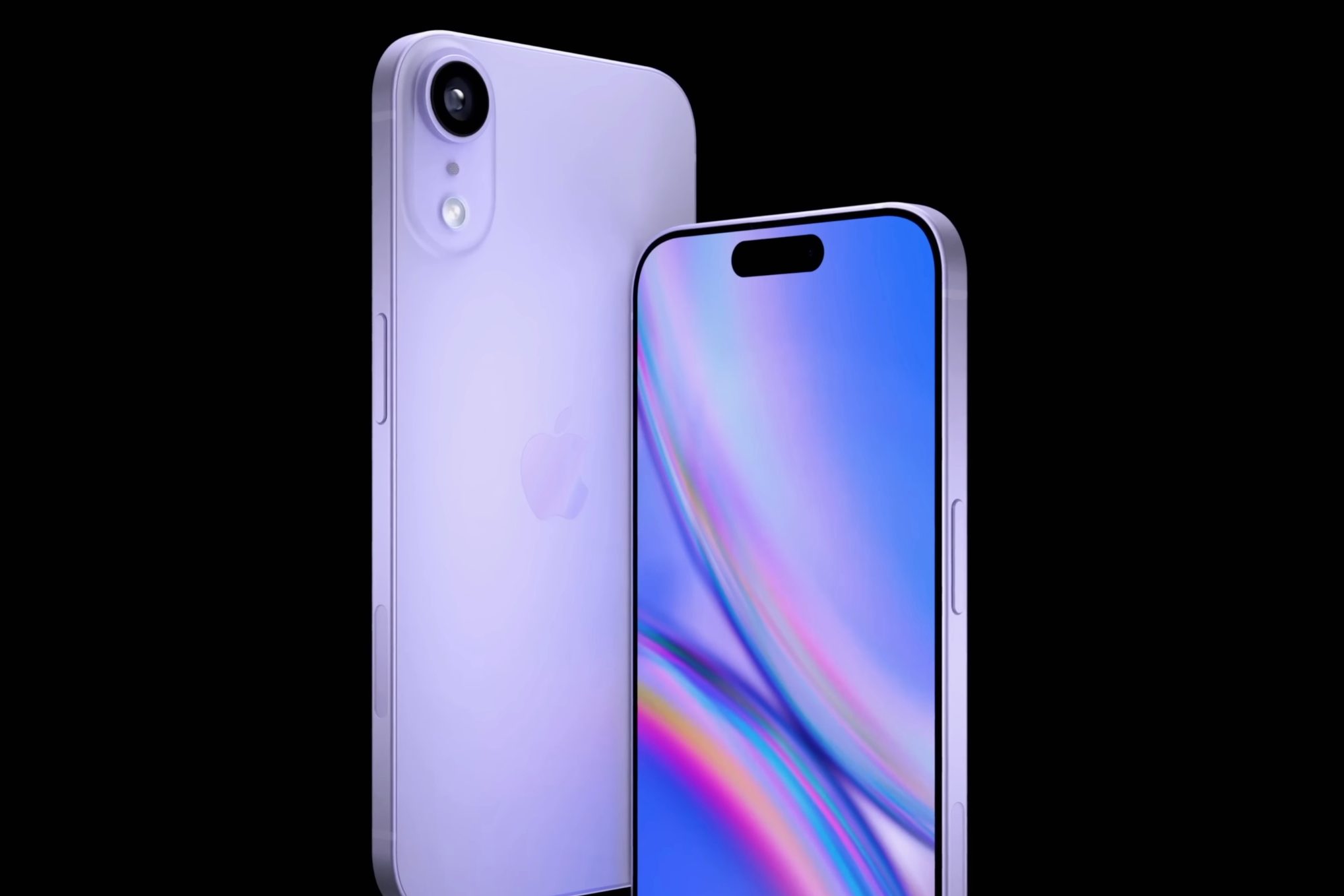
A render of the iPhone Air.
Alleged render of the iPhone 17 Air. Front Page Tech

As far as Samsung goes, the Korean electronics giant apparently decided to throw its hat into the ring in the wake of Apple’s strategy shift. “The Galaxy S25 Slim’s very purpose is to respond to Apple’s Air product, so the price will not be set high,” adds the report.

As far as the pricing goes, there is little clarity on just how much Samsung’s Galaxy S25 Slim is going to cost. Notably, as per the source cited in the Korean outlet, the upcoming device will be cheaper than the flagship Ultra model.

If the murmurs turn out to be true, the iPhone 17 Air and the Galaxy S25 Slim could fall in the $900 price bracket. Both phones are expected to arrive in the latter half of 2025, but Samsung could beat Apple to the market by a few weeks.
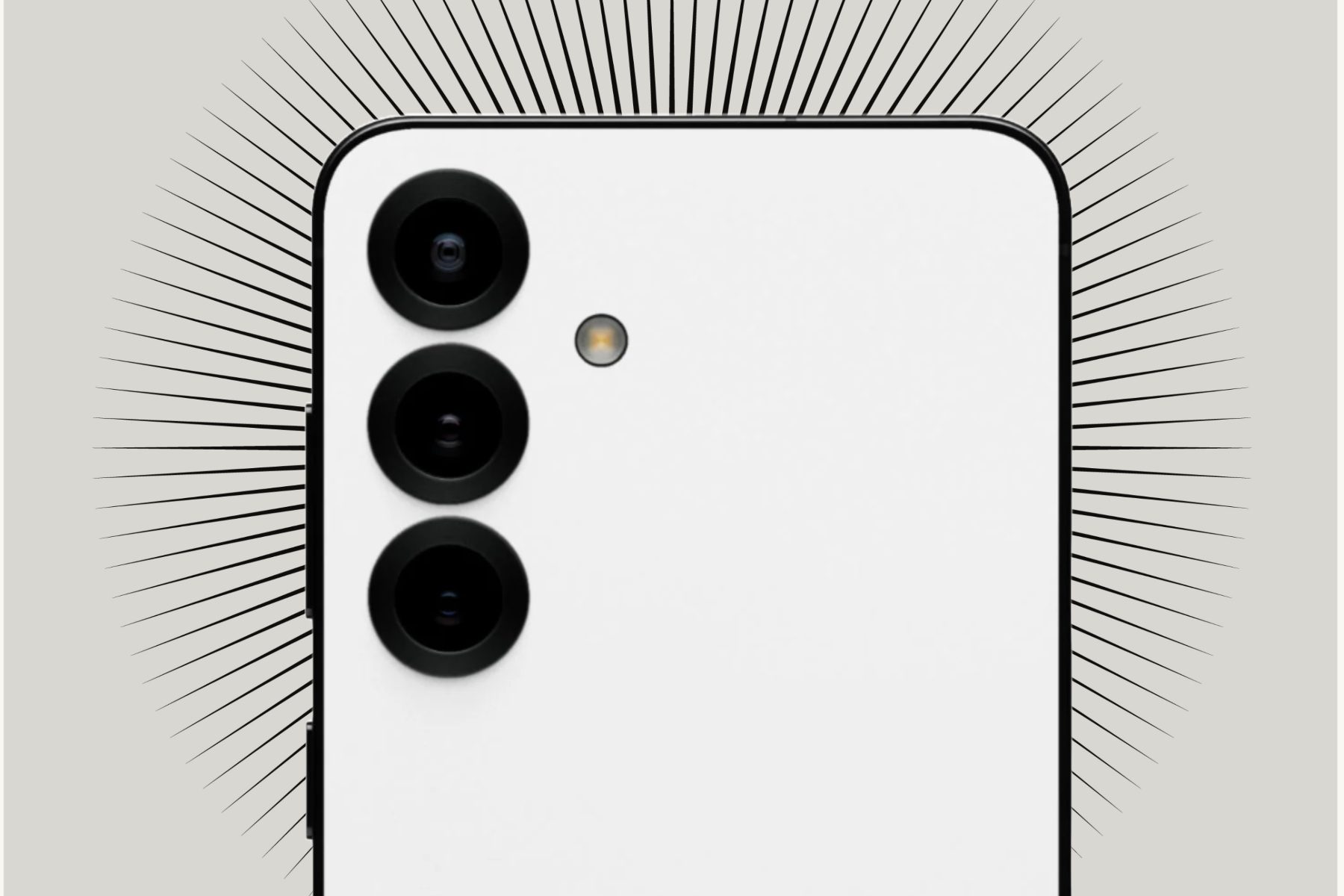
Leaked render of Samsung Galaxy S25.
This is what the Galaxy S25 series phones could look like. Digital Trends

Samsung’s svelte phone will reportedly offer a 6.7-inch display, while its cross-section profile could fall between 6mm and 6.9mm. It could, however, surprise buyers with a fairly powerful camera setup (200MP main, 50MP wide, and 50 zoom), but there is no clarity regarding the silicon situation.

As far as the iPhone 17 Air goes, it may not quite deliver a hardware knockout, save for a trimmed waistline. Rumors suggest it will only offer a single rear camera, a smaller battery, and a titanium-aluminum chassis.

Apple will reportedly serve a new battery that encases the cell kit inside a metal shell and embraces a technique called electrically induced adhesive debonding that eases repair and replacement.

Nadeem Sarwar
Nadeem is the Managing Editor at Digital Trends.
The Pixel 11 is almost here, and these are the 3 upgrades I’m begging Google to make
Electronics, Mobile Phone, Phone

We're only a month away from Google's next big hardware event, with the Pixel 11 series officially arriving on August 12. 

After living with the Pixel 10 Pro and the Pixel 10a over the past year, I've come to appreciate what Google's phones do well — and, more importantly, where they still fall short. With the smartphone landscape evolving faster than ever, there are three upgrades I'm hoping Google finally delivers this year. If you're a fellow Pixel user, chances are these are on your wishlist too.

Read more
5 reasons I keep coming back to Apple Reminders despite paying for premium task managers
I rely on OmniFocus for complex projects, but Apple Reminders still handles my everyday tasks better than any paid app.
Apple Reminders open on iPhone

The App Store is filled with premium task managers, and like Things 3, Todoist, and OmniFocus, despite buying and switching between several of them, I keep coming back to Apple Reminders. 

Don’t get me wrong, I still use OmniFocus to manage my projects. But when it comes to daily tasks and quick capture, Apple Reminders still remains my go-to app. In this guide, I'll walk you through the five biggest reasons why.

Read more
Google may finally ditch Samsung’s modem in the Pixel 11, and Tensor G6 could be better for it
FCC paperwork for Google’s next foldable points to MediaTek, raising hopes for lower power use and a cleaner break from Tensor’s Exynos roots
AI recreation of Pixel 11's Pixel Glow feature.

Google may be preparing its biggest Tensor hardware split yet. As spotted by Android Authority, FCC testing for an unreleased foldable Google phone includes a reference to MediaTek radio-frequency software, adding weight to reports that the Pixel 11’s Tensor G6 could leave Samsung’s Exynos modem behind.

Every previous Tensor chip has used Samsung modem hardware. Changing suppliers won’t guarantee better battery life or reception, but it gives Google a fresh path after years of leaning on the same underlying technology.

Read more