1. Home
  2. Computing
  3. News

Google has some ‘good ideas’ for putting ads in Gemini

Add as a preferred source on Google
Gemini Advanced on the Google Pixel 9 Pro Fold.
Andy Boxall / Digital Trends

Google is exploring adding ads to Gemini AI. CEO Sundar Pichai floated the idea in an earnings call but did not mention a specific date, according to The Verge. He also noted that the company has “very good ideas” about how it could appear in the future.

This year’s focus remains on enhancing user experience features and broadening subscription offerings. Pichai noted that advertising has been essential in scaling other Google services, such as YouTube, possibly hinting that ads will eventually come to Gemini. However, Pichai did not mention how Google plans to integrate ads into Gemini when they appear in the AI. He also said they are committed to making the products work and delivering them to a vast audience.

Recommended Videos

The good news is that you don’t have to worry about seeing ads in Gemini, at least not this year. For now, Gemini continues to offer free or paid subscriptions with access to more advanced features. Currently, Gemini Advanced users can access options such as Gemini Advanced 2.0 Flash, Pro, Flash Thinking Experimental, Deep Research, and 2.0 Flash Thinking Experimental with apps.

For now, let’s enjoy the ad-free experience of Gemini while we can. If you think about it, Google’s business model relies heavily on ads, so it is only a matter of time before it gets to Gemini. Google has already incorporated ads in AI Overviews, so why should Gemini be any different? However, Google’s ads may get intrusive, and you may find ways to turn off targeted ads on Google.

Google also announced that it will spend $75 billion on capital expenditures this year to stay competitive in AI.

Judy Sanhz
Computing Writer
Judy Sanhz is a Digital Trends computing writer covering all computing news. Loves all operating systems and devices.
Apple’s Hide My Email feature has an unfixed bug that leaves email addresses exposed
100% exploitable in limited testing, known since June 2025, and still unfixed as of today.
apple-merging-sign-in-with-apple-hide-my-email-icloud+

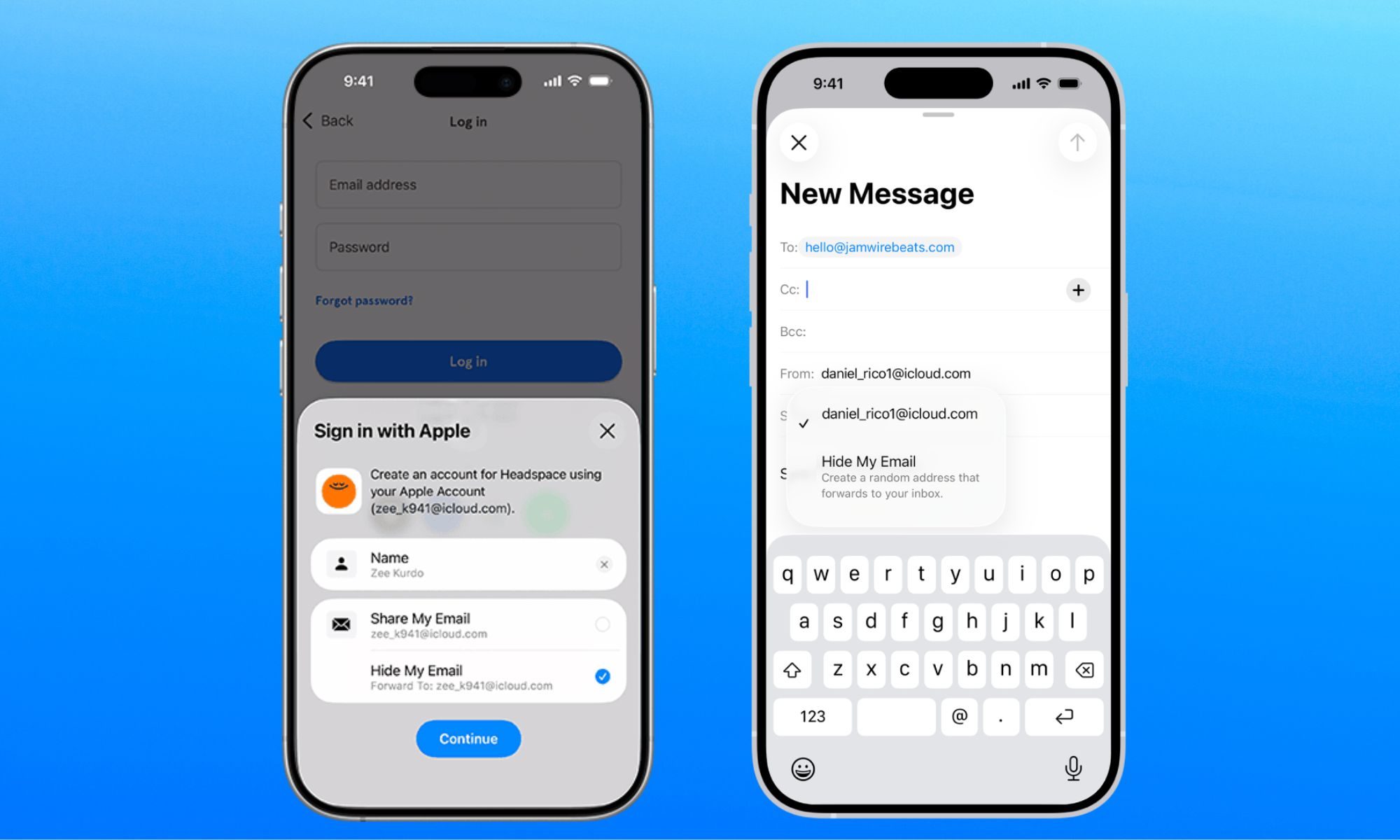
Apple has been selling Hide My Email to keep your real email address hidden, but it has a vulnerability that does the exact opposite. The worst part is that the company has known about it for a year. 

Hide My Email, part of Apple’s paid iCloud+ subscription, lets users generate anonymous email addresses for signing up to a website, so that their personal or work email remains free of promotional emails and spam. 

Read more
I hate sharing my Mac, but a face-unlocking app finally cured my privacy paranoia
Someone finally built the app locker every Mac user has been asking for.
FaceGate in action on Mac

If you have ever handed your Mac to a friend, family member, or coworker for "just a minute," you know the mild panic that follows. Sure, your Mac has a lock screen, but once someone is past it, they can open Messages, Photos, Notes, Mail, WhatsApp, and your browser.

iPhones had the same issue, but Apple solved it by adding an app lock feature with the iOS 18 update. Sadly, no such feature exists for macOS. That’s where the new FaceGate app for Mac can help you. It’s a free and open-source app that lets you lock apps on your Mac and even has some novel tricks up its sleeve. So, let’s talk about it, shall we?

Read more
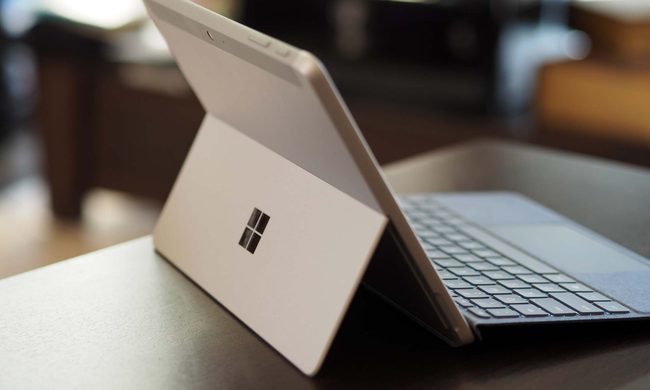
The charm of a tiny Windows tablet is apparently dead at Microsoft. Long live the Surface Go!
Microsoft’s budget Surface era may be over
Microsoft Surface Go 3 stand.

Microsoft might be cleaning up its Surface lineup. According to Windows Central, Microsoft has stopped manufacturing the Surface Go and Surface Laptop Go lines, with no successors currently planned. Surface Go 4 and Surface Laptop Go 3 are reportedly out of stock in most places, and once remaining retail stock is gone, that may be it.

If this is true, then we are looking at the end of the brand's budget Surface PCs as Microsoft has plenty of premium Windows hardware.

Read more