1. Home
  2. Phones
  3. Mobile
  4. News

Early tests confirm Apple’s new chip significantly boosts iPhone 16e battery life

Add as a preferred source on Google
A press image of the iPhone 16e.
Apple

The iPhone 16e will launch officially tomorrow, February 27. Today, the results from the first tests of Apple’s all-new C1 modem for this budget phone have been released, and the news is promising.

Chinese review site Geekerwan conducted various 5G tests on the iPhone 16e’s C1 modem, which is noteworthy because it is Apple’s first modem for the iPhone. The tests revealed that the iPhone 16e’s speeds and reliability matched those of the iPhone 16, which is equipped with a Qualcomm modem. Perhaps even more impressively, Geekerwan found that the C1 modem consumed much less power than its competitor.

Recommended Videos

When the iPhone 16e was announced, Apple claimed that its modem was 25% more efficient than those in the iPhone 16 series. Geekerwan’s findings support this; under high signal strength conditions, the average power draw of the iPhone 16e was 0.67 watts, compared to 0.88 watts for the iPhone 16, resulting in a roughly 24% improvement. Under low signal strength conditions, the iPhone 16e still drew 0.67 watts, whereas the iPhone 16 used 0.81 watts, marking a difference of 17%.

In a 5G video streaming test, the Geekerwa’s battery life was 7 hours and 53 minutes. In comparison, the iPhone 16 lasted 7 hours, while the iPhone 16 Pro lasted 6 hours and 54 minutes. The iPhone 16 Plus and the iPhone 16 Pro Max, which have larger batteries, provided around 8.5 hours of usage between charges in the same test.

The iPhone 16e’s and 16’s battery life is likely enhanced by the new phone’s more efficient modem and larger battery. The iPhone 16e features a 3,961 mAh battery, while the iPhone 16 has a 3,561 mAh battery.

The iPhone 16e was announced earlier this month. It replaces the iPhone SE 3 in the lineup. In many respects, however, it compares most closely with the iPhone 14, which was also discontinued with the iPhone 16e release. The new phone starts at $599.

Bryan M. Wolfe
Former Mobile and A/V Freelancer
Bryan M. Wolfe has over a decade of experience as a technology writer. He writes about mobile.
Elon Musk’s SpaceX could be making an AI device that’s slimmer than iPhone
A slim SpaceX AI device prototype has likely been shown to some investors
Elon Musk talks to the press as he arrives to to have a look at the construction site of the new Tesla Gigafactory near Berlin.

SpaceX has reportedly shown investors a prototype of a handset-like AI device that is slimmer than an iPhone. According to The Wall Street Journal, the device is said to run on a proprietary operating system, use a Qualcomm Snapdragon chip, and integrate AI technology from xAI.

The project is still at an early stage, and there is no guarantee that SpaceX will turn it into a real product. The report also does not describe it as a traditional smartphone, which is important. It could be a phone, something closer to a dedicated AI device, or a product that never makes it past the prototype stage.

Read more
Android 17 makes it harder for bad actors to guess and crack the PIN on your phone
Thieves only get 20 shots before the door slams shut
Electronics, Mobile Phone, Phone

Google is planning on making Android 17 even more secure. The company had previously confirmed that Android 17 will now reduce the number of times someone can guess your PIN or password and add longer wait times between failed attempts.

Now, thanks to a deeper breakdown from Mishaal Rahman, we have a better idea of how aggressive that change really is.

Read more
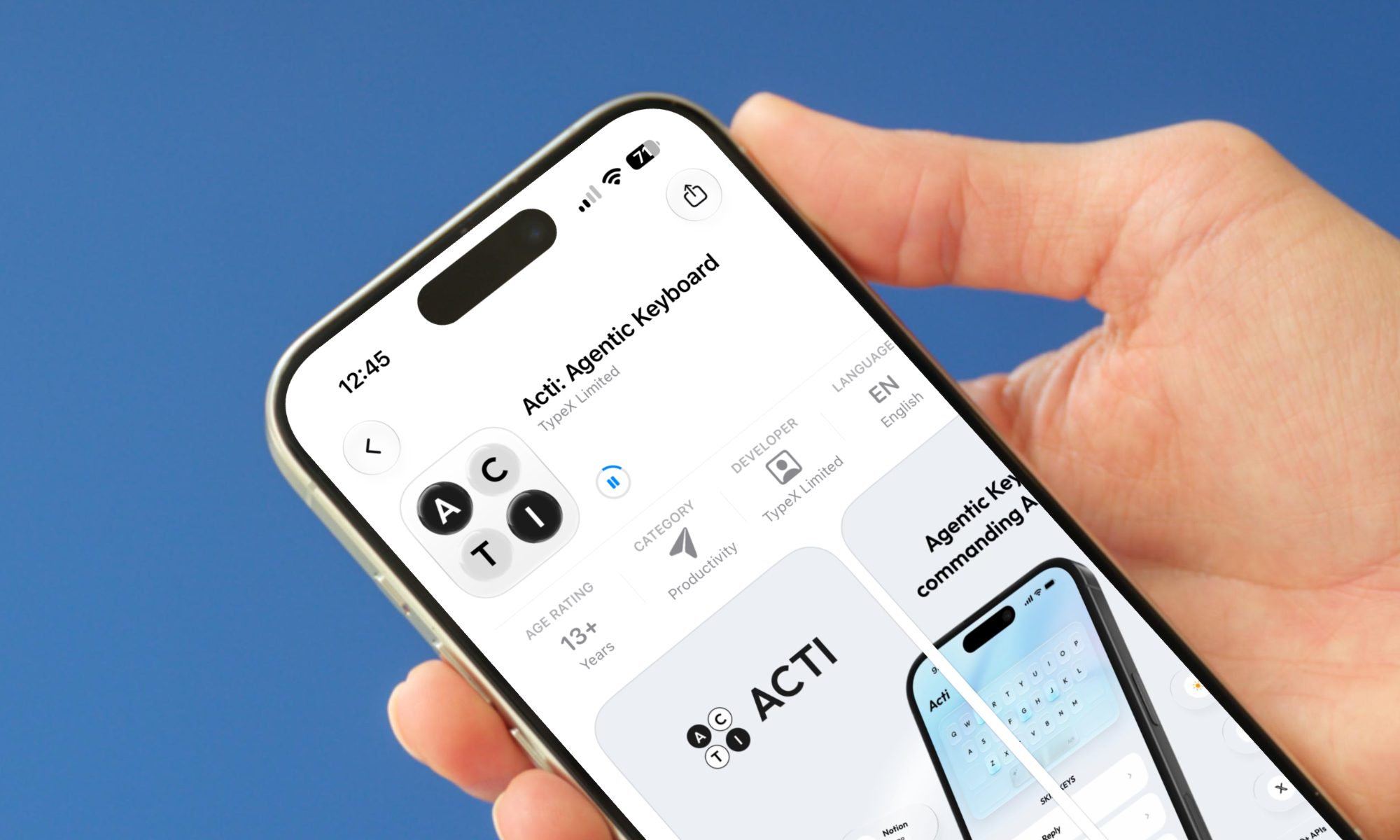
Acti just turned your smartphone keyboard into an AI assistant
One keyboard that types your words and does your errands. This might be the upgrade your thumbs have been waiting for.
Acti keyboard open on iPhone

Your smartphone’s keyboard is the thing you interact with the most, and yet, it has largely remained the same since it was introduced two decades ago. Yes, it has become better at understanding our typing habits and predicting text, but its function has largely remained unchanged. 

A Singapore startup called Acti looked at the keyboard and the large space it occupies on your smartphone and asked a fair question. Why not make it actually do things? After seeing its keyboard in action, I think the idea has legs.

Read more