Microsoft is officially half a century old and what a half a century it’s been. It went from being a small scale software company to dominating the world of personal computers, to today where it’s worth over $3 trillion — or at least it was until some recent tariff shenanigans. It’s not the only name in the game any more, with Google’s Android platform the most popular operating system on devices, but Microsoft’s Windows still forms the backbone of the professional and gaming worlds, and that’s not the only pie it has its fingers in.
From trying to wrestle control of the AI hype train, to endeavours in Quantum computing, Microsoft is looking to form the zeitgeist of the next 50 years. Let’s take a look at some of its big wins over the past few decades, and what it might do in to secure some more in the years to come.
The founding – 1975
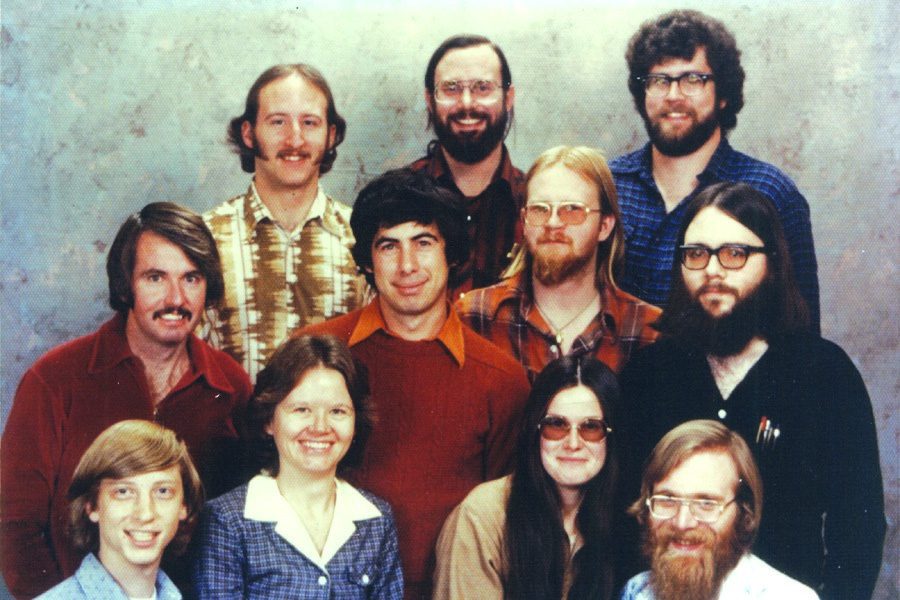
Bill Gates and partner Paul Allen founded Micro-Soft in 1975. Although the company name was a portmanteau of Microprocessor and Software, the pair focused on software development for the Altair 8800 personal computer. They found immediate success and secured a contract with the Altair’s developer, Micro Instrumentation and Telemetry Systems, but it wasn’t for a few more years that Microsoft would begin work on some of its most iconic software products.
MS-DOS to Windows, to Office – 1980 – 1989
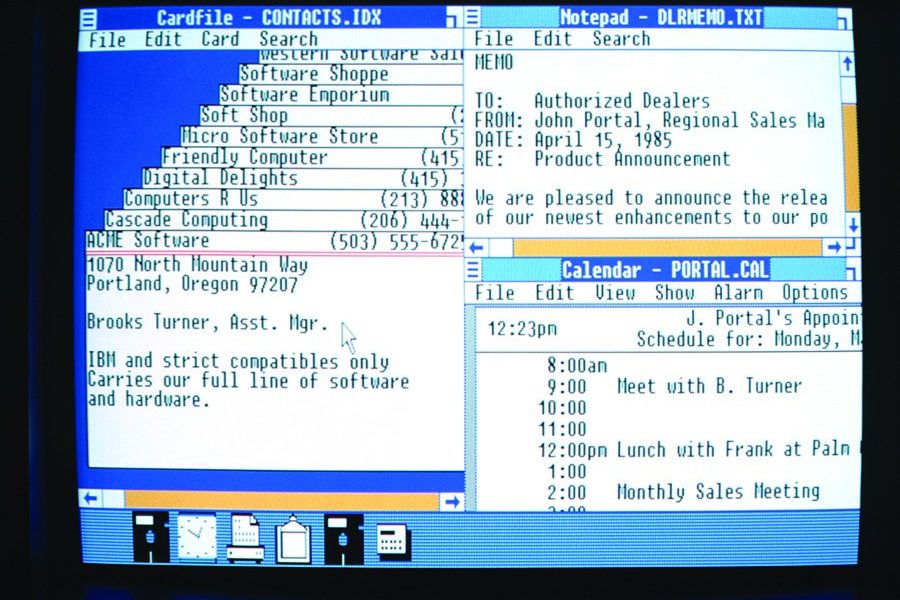
The next two decades went swimmingly for Microsoft. It secured a contract to provide MS-DOS version 1.0 and other Microsoft software products to IBM for its Personal Computer. Also included on the new system was Microsoft’s 1979 text-based RPG, Microsoft Adventure. Sales of MS-DOS quickly expanded as other PC manufacturers and Microsoft began work on the graphihcal interface for MS-DOS that would soon become the first version of Windows.
In 1985 Gates showed off Windows for the first time, describing it as “unique software designed for the serious PC user.” In reality, Windows made the user experience with a PC far more straightforward, as well as expanding MS-DOS capabilities, such as running multiple unrelated programs simultaneously.
Throughout the 1980s Microsoft also introduced a number of its other iconic software applications. In 1983, it released Word, following up with Excel in 1985 (on the Mac).
Evolution of Windows, Xbox – 1990 – 2010
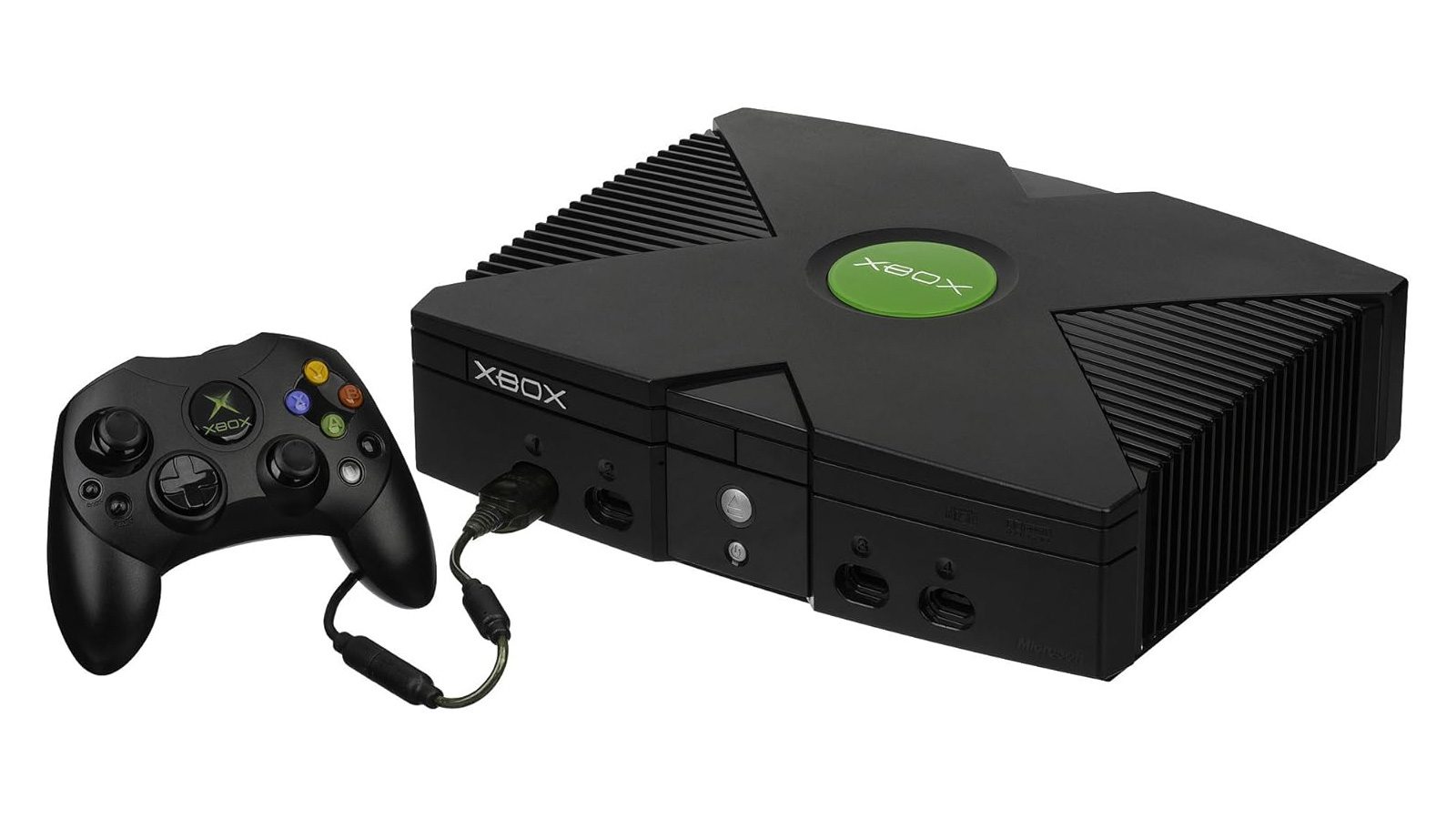
Microsoft’s Windows went on to transition through a number of versions throughout the 90s and 2010s — some hits, some misses. It also introduced the Xbox console in the early 200s, and continued its development throughout the decades. The combination of a popular home gaming consoles and the dominant PC gaming platform in Windows, made Microsoft an absolute cornerstone of gaming. The continued developments of important gaming software and APIs, like DirectX, makes Microsoft still one of the most important companies in gaming today — even if it never did get us that Freelancer sequel I so wanted.
Branching out – 2010s
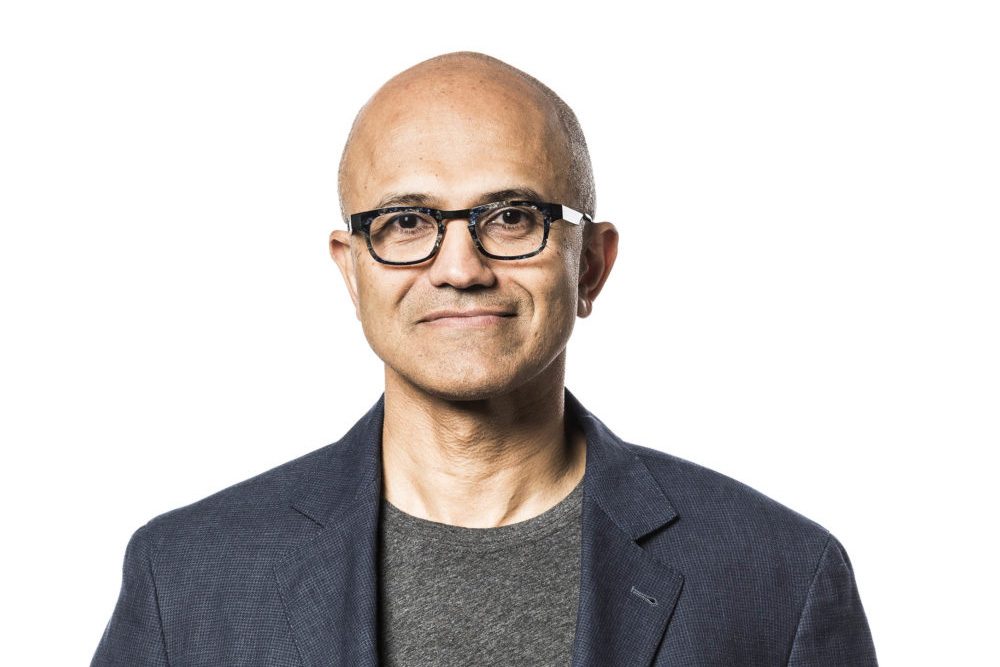
The 2010s were an interesting period for Microsoft. It ended up launching its most popular operating system in years in Windows 10, but also tried and failed, and then tried and succeeded in the tablet space with its Surface line. Steve Ballmer crashed out as CEO after shouting about developers and sweating all over the place, and Microsoft started buying up customer-facing software and services like Skype and Linkedin.
Office went from being a Windows exclusive to being software you could use almost anywhere, with web versions bridging any lingering compatibility gaps. In gaming, Microsoft’s Xbox consoles continued doing well enough and it paid a couple of billion to some Swedish guy. Microsoft still makes hundreds of millions of dollars a year from Minecraft alone, so it was probably a smarter purchase than it seemed at the time.
More than just an operating system – 2020s
In the 2020s, Microsoft joined a range of other major tech companies in not only looking to new avenues of revenue, but also refocusing for the future. It began the decade with the launch of Windows 11, which while successful has pushed for ever greater user tracking, advertising integration, and pushing towards more of a software as a service design.
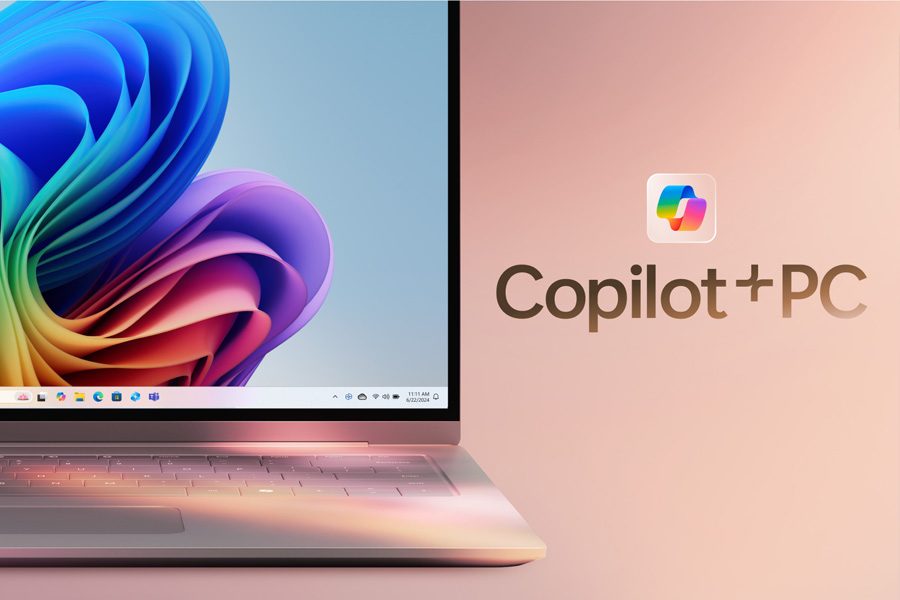
Then the AI boom began and the world has been riding that wave ever since. After being blindsided by ChatGPT’s capabilities and subsequent success, Microsoft managed to win the bidding war to secure its use in creating Copilot which it’s now shoving into everything. Windows has it, all of Microsoft’s first-party apps have it, and Bing became equal parts chatbot and search engine overnight. Copilot+ PCs and laptops followed, although nobody liked the Recall idea.
And that’s where we find ourselves today. Microsoft is bigger than ever, but it feels more dispersed. The Windows platform still forms the backbone of professional industries and home gaming, but the traditional desktop PC and laptop doesn’t feel quite as ubiquitous as it once was. The pandemic might have driven everyone back into their home offices, but today Chromebooks, MacBooks, and a wider-range of ARM-powered devices mean Microsoft isn’t the monolith it once was.
AI is definitely where Microsoft sees the future going and it’s putting its full weight behind it. Enough so that the last few CEOs were happy to be roasted by one:
But is that where it will really make its next impact? Even more so than with Windows, the AI landscape is saturated with competition and there are many questions about how much farther this gravy trail has to roll.