1. Home
  2. Computing
  3. News

Digital Trends may earn a commission when you buy through links on our site. Why trust us?

The world’s smallest SSD is almost impossibly tiny

Add as a preferred source on Google
Suneast SSD
Suneast

Japanese company Suneast have announced a new product for the tiniest of bragging rights: the world’s smallest SSD. Released today, Friday May 9, the USB 3.2 device is less than an inch across in all dimensions and looks more like a dongle than an SSD, but it still offers up to 512 GB of storage.

According to the specifications listed on the Suneast product page (translated from Japanese), the compact device offers a maximum read speed of 450 MB/s, a maximum write speed of 400 MB/s, and a weight of just 2.8 grams (less than 0.1 ounces). Its size is just 10.6 × 20 × 13.5 mm, or 0.4 x 0.8 x 0.5 inches, making it an unobtrusive addition to the bottom of a phone or the side of a laptop.

Recommended Videos

The intention is to offer a device which provides easy storage for a smartphone, using the USB Type-C connector that is compatible with most newer phones. The SSD can be used to transfer large files like videos between a smartphone and a laptop for editing, for example, making it potentially useful for video editors or other creatives on the go who don’t want to have to lug around extra cables or wait for slow cloud-based transfers.

Suneast states that the SSD device is compatible with Windows, Mac, Linux, Android, and iOS operating systems, but warns that you should set the device up fro the first time on a PC or Mac rather than a phone to maximize its compatibility.

The device comes in three capacity options: 128 GB, 256 GB, or 512 GB. Pricing isn’t yet available, or information on when the device will be available outside of Japan, but as part of a wave of new phone-focused small SSDs that are becoming popular right now, especially with video creators, we can expect that there will be customer demand for such a device so hopefully it arrives soon.

Georgina Torbet
Georgina has been the space writer at Digital Trends space writer for six years, covering human space exploration, planetary…
South Korea wants to give every citizen free, unlimited access to its own AI chatbot
The government-backed service could turn generative AI into public infrastructure instead of another monthly subscription
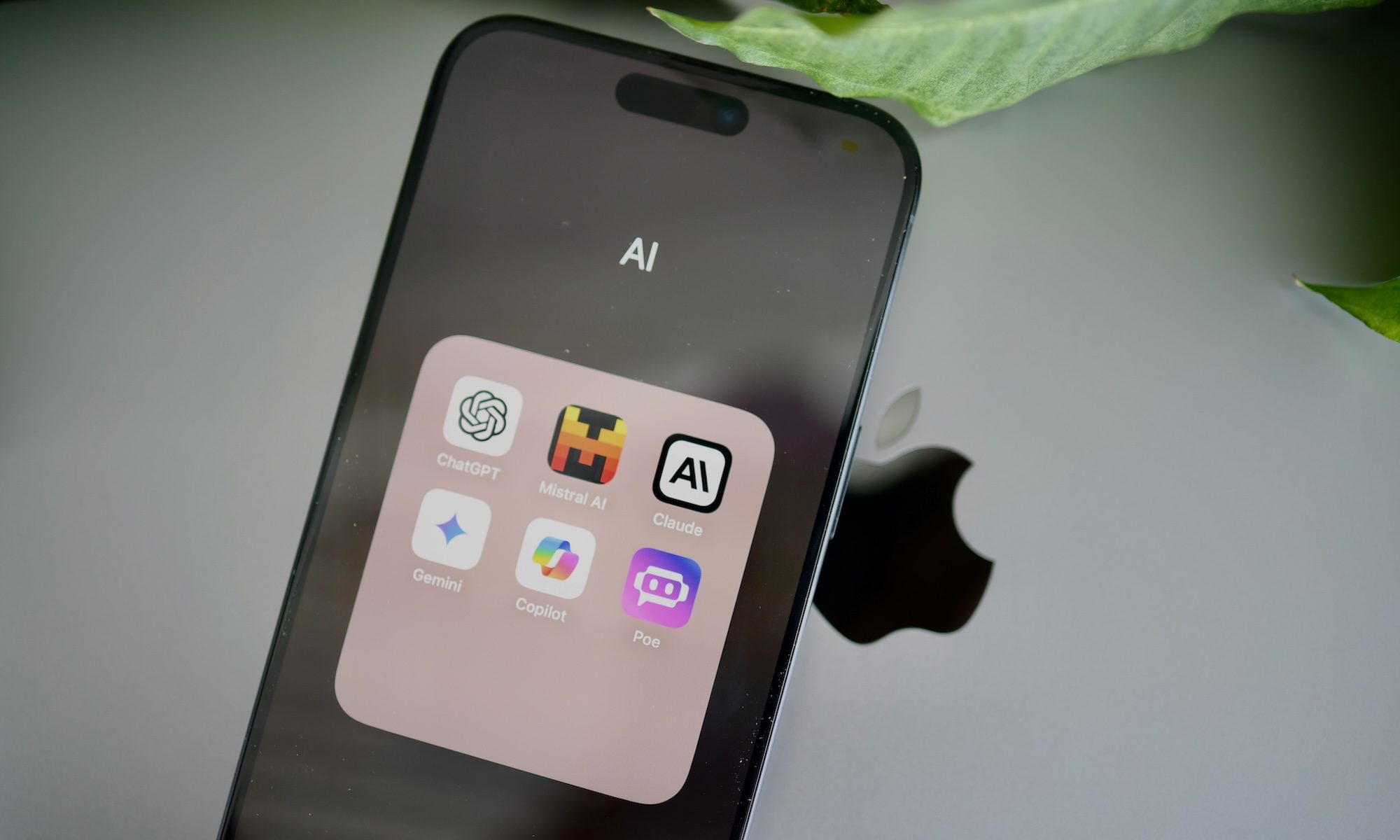
Electronics, Mobile Phone, Phone

South Korea wants to give every citizen free access to an AI chatbot with no usage limits. That puts the technology closer to a public utility than another premium service demanding a monthly subscription.

The Ministry of Science and ICT announced the AI for Everyone project on July 13. Private companies will build the platform around locally developed models, while a separate AI agent will help people navigate government services. It’s a more practical job than generating emails or settling arguments nobody wanted to research themselves.

Read more
Falling in love with a chatbot is now off limits for kids in China
The crackdown targets emotional AI relationships as regulators worry about the country's record low birthrate.
Replika AI companion app on an iPhone in hand

Ever since AI chatbots arrived on the scene, there has been one aspect that has worried lawmakers and experts a lot: humans forming emotional connections with chatbots. There have been plenty of cases where over-reliance on these AI companions or partners has resulted in medical emergencies, lost lives, and triggered multiple lawsuits against the likes of OpenAI and Meta.

China cracks down on AI companion apps

Read more
Russian hackers keep finding their way into critical networks through neglected routers
A multinational warning says outdated firmware, weak passwords, and insecure settings are giving state-backed attackers an easy opening
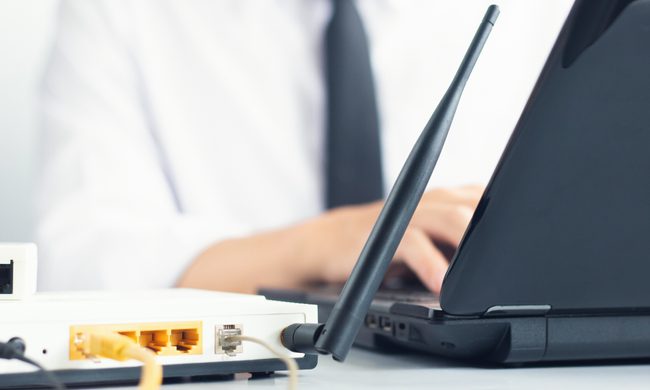
A Wi-Fi router next to a laptop.

Russian state-backed hackers have spent more than a decade exploiting a stubborn weakness in critical infrastructure networks. Organizations are still leaving poorly configured and outdated routers exposed to the internet.

In a joint cybersecurity advisory, the NSA, CISA, FBI, and international partners warn that hackers linked to Center 16 of Russia’s Federal Security Service are continuing to target vulnerable networking equipment. Energy, healthcare, and government networks are among the sectors facing the highest risk.

Read more