1. Home
  2. Computing
  3. News

Pairing the RTX 5090 with a CPU from 2006? Nvidia said ‘hold my beer’

Add as a preferred source on Google
RTX 5090.
Jacob Roach / Digital Trends

Nvidia’s best graphics cards are often paired with expensive CPUs, but what if you want to try a completely mismatched, retro configuration? Well, that used to be impossible due to driver issues. But, for whatever reason, Nvidia has just removed the instruction that prevented you from doing so, opening the door to some fun, albeit nonsensical, CPU and GPU combinations.

The instruction in question is called POPCNT (Population Count), and this is a CPU instruction that also prevents Windows 11 from being installed on older hardware. Its job is counting how many bits are present in a binary number. However, as spotted by TheBobPony on X (Twitter), POPCNT will not be a problem for Nvidia’s latest graphics cards anymore.

UPDATE: Recent NVIDIA drivers no longer require the POPCNT CPU instruction, this means old CPUs such as the Intel Core 2 Duo will be able to install the latest NVIDIA drivers without any issues.

And yes, that also means you could possibly pair an RTX 5090 with Core 2 Duo now. 😏 https://t.co/6GwpG9RrMP pic.twitter.com/v8h4eduVH5

— BobPony.com (@TheBobPony) May 12, 2025
The latest drivers remove the requirement for the CPU to support the POPCNT instruction. These days, every single CPU supports it, so you have to go really far back to find one that doesn’t. Some of the last notable CPUs that didn’t support POPCNT were Intel’s Core 2 series, meaning iconic chips like the Intel Core 2 Duo from 2006, and AMD K10, meaning Phenom, Phenom II, and Athlon II. Starting with the Nehalem architecture (Core i7-920 and newer), Intel’s been supporting POPCNT; AMD added support with Bulldozer, meaning CPUs like the FX-8150.

Looking back at the specs of these CPUs makes me nostalgic. The Intel Core 2 Duo was built on a 65nm (and later 45nm) process node and offered two cores and two threads; a far cry from the CPUs we see today. It had 2MB to 6MB of shared L2 cache and maximum clock speeds ranging from 800MHz to 1,333MHz. Not much to write home about.

Recommended Videos

And yet, if you for some reason feel compelled to, you can now pair one with an Nvidia RTX 5090, all thanks to this new driver update.

With the removal of POPCNT, you can use Nvidia’s latest graphics with just about any CPU. Previously, trying to do so would’ve caused what TheBobPony refers to as a “soft brick,” meaning your PC would get stuck in a boot loop until it finally got rid of the driver that made it crash and launched Windows Recovery mode.

Realistically, no one’s going to buy an RTX 50-series (or even an RTX 20-series) GPU to pair with a CPU that’s nearly 20 years old, but it’s pretty cool that that’s now a possibility. I would like to see how such a PC would perform. CPU bottleneck, anyone?

Monica J. White
Monica is a computing writer at Digital Trends, focusing on PC hardware. Since joining the team in 2021, Monica has written…
How to set up selfie video sign-in for your Google account
Your face can now serve as a way to get back into your Google account. Here's how to set it up.
Google account selfie sign in tutorial featured

Losing access to a Google account is rarely a quick fix, but Google has been actively working to make things easier. Last year, the company introduced a feature called Recovery Contacts that lets you designate a trusted friend or family member to verify your identity if you ever get locked out. Now, Google has introduced a new option, one that uses your face to get you back in instead of a phone call to a friend.

Like Recovery Contacts, the new selfie video authentication feature requires some setup before you can use your face to sign into your Google account. This involves recording the reference video that Google will use to verify your identity whenever you attempt to log in this way. Here's how to set up selfie video sign-in for your Google account.

Read more
Framework Desktop packs Ryzen AI Max, up to 192GB of RAM, and local AI into a mini PC
192GB of RAM in a desktop this small? Framework says yes.
Framework Desktop feature

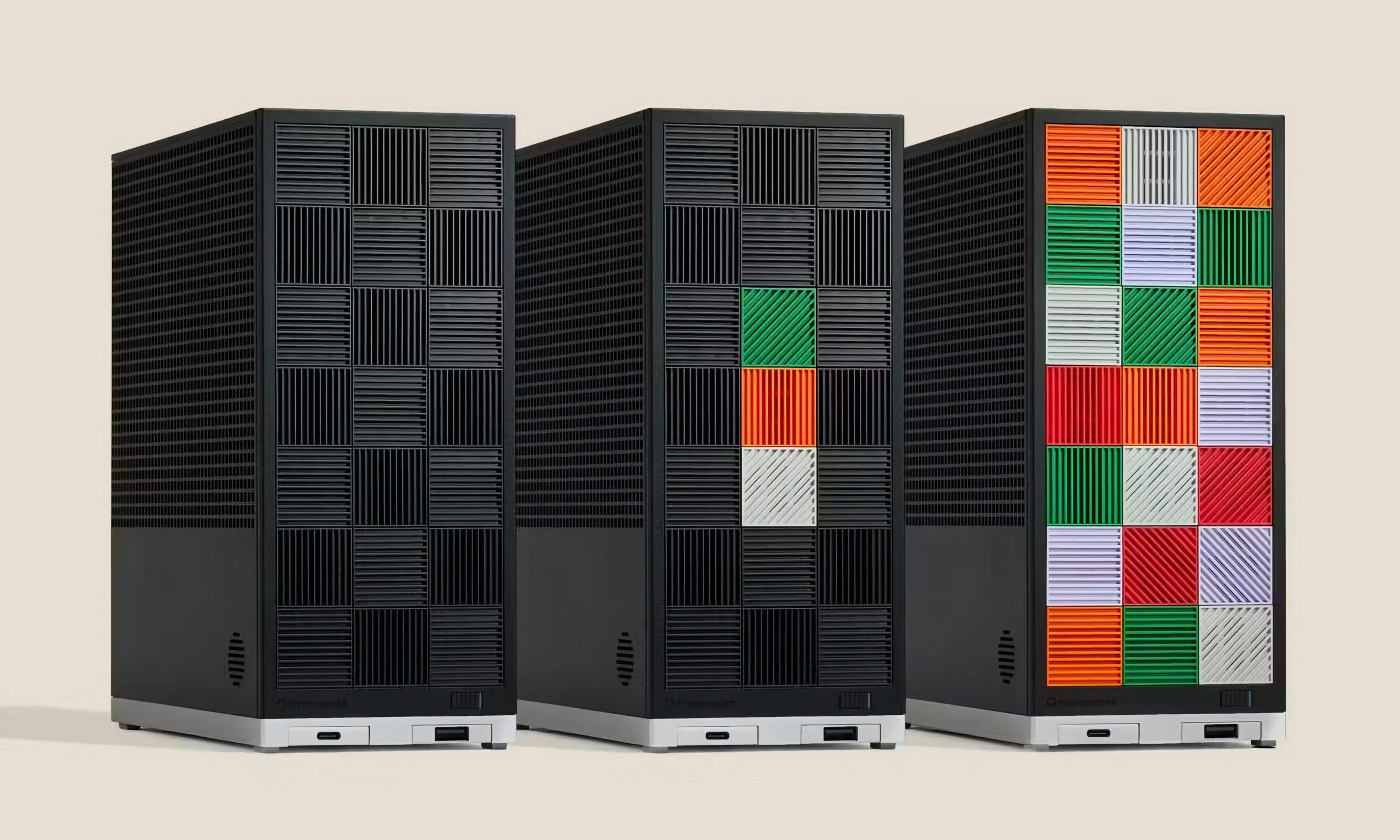
Framework has built a reputation for shipping things other PC makers won't even attempt, and its latest teaser keeps that streak alive. At AMD's Advancing AI event, the company previewed a new version of its Framework Desktop, and this one is clearly built with one goal in mind: running large AI models locally on your computer. If you have been eyeing a way to run local AI, this could be the machine to watch.

So what's actually new here?

Read more
AI is becoming the shoulder we cry on, and that worries me
Chatbots are learning to generate comfort now
Siri AI voice change

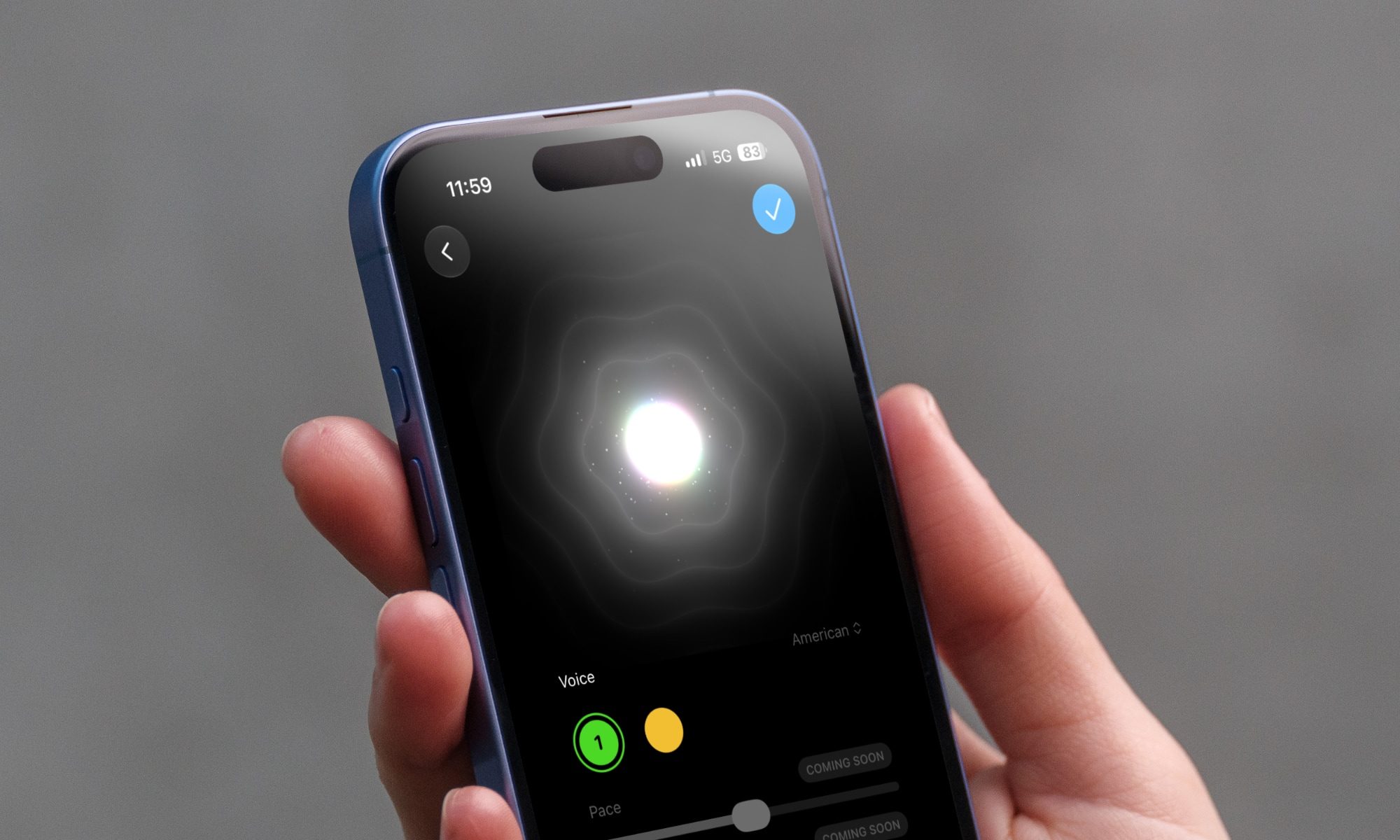
I expected artificial intelligence to be faster in performing calculations or data analysis than humans. But emotional support is one of the last things I could imagine it being better at. New research led by the University of Manchester, alongside Durham University, found that leading AI chatbots could match or sometimes outperform humans when responding to everyday emotional problems. The researchers conducted five studies involving 1,233 participants and tested responses from ChatGPT-4o, Claude 3.5 Sonnet, and Gemini 1.5 Pro.

The researchers conducted five studies involving 1,233 participants and tested responses from ChatGPT-4o, Claude 3.5 Sonnet, and Gemini 1.5 Pro. Participants evaluated messages responding to situations such as being passed over for a promotion or returning to an untidy shared home. They were initially kept unaware of whether each response came from a person or an AI system.

Read more